Best Boat Hooks for Docking and Mooring
Alexandra
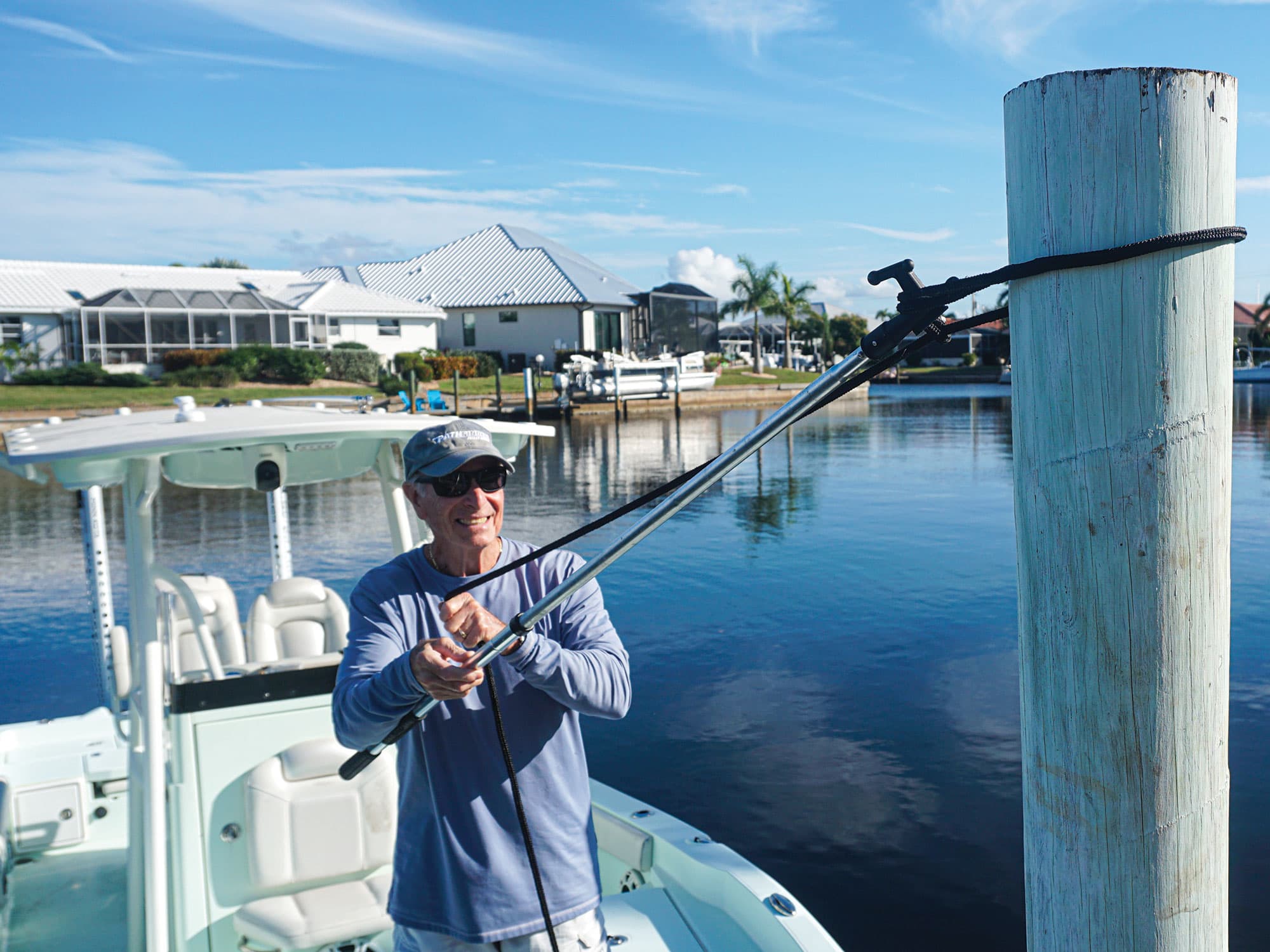
Extending reach during docking by even 1–2 meters changes line-handling dynamics: a telescoping composite boat hook allows crew to stay inboard while securing mooring lines and reduces the need to step awkwardly onto a dock or tender. That simple equipment choice has immediate consequences for berth turnaround time, crew safety, and the logistics of passenger transfers at crowded marinas.
Materials and construction: trade-offs that affect performance
The material of a boat hook pole defines weight, corrosion resistance, conductivity, and whether it will float if dropped. Each option suits different operational profiles.
| Material | Weight | Conductivity | Floatation | Best use |
|---|---|---|---|---|
| Aluminum | Light | Conductive | Often buoyant | General-purpose, single-handed control |
| Composite | Very light | Non-conductive | Usually buoyant | Extended reach; electrical safety; racers and rental fleets |
| Wood | Heavy | Non-conductive | Varies | Classic aesthetics, traditional boats, heavier-duty tasks |
When fitting rental fleets or private yachts used for charters, operators often favor composite poles for their lightness and non-conductivity. However, aluminum remains a cost-effective choice and is common in marina service kits.
📚 You may also like
Telescoping versus fixed-length poles
Storage constraints on board and the intended tasks determine whether a telescoping or fixed pole is preferable.
- Telescoping poles collapse for compact stowage and extend for reach; locking systems include twist-locks, cam locks, or snap-in single positions.
- Fixed-length poles offer simplicity and fewer failure points; they are often stronger and preferred where stowage isn’t an issue.
- Operational rule of thumb: choose the longest pole you can safely stow; no captain regrets extra reach during a tricky approach.
Lock types and maintenance
Twist-locks are infinitely adjustable but can seize with salt buildup; cam locks offer quick action but must be checked for wear. Regular flushing with fresh water and periodic lubrication prevent jamming — crucial for charter operators who cannot afford tool downtime between rentals.
The hook end: shapes, tips, and accessories
The “business end” comes in many shapes designed for specific tasks: fending, snagging lines, lifting mooring rings, and attaching to cleats. Look for a tip that includes a non-marring point for use against fiberglass and aluminum hulls.
Common tip styles
- Rounded point with integrated hook — versatile for both fending and snagging.
- Dual-shape heads — one side for lifting/placing a line and the other side for hooking.
- Specialized tips such as Hook & Moore or accessory fittings compatible with Sea-Dog Mooring Snap and Shurhold Dock-A-Reni for attaching lines to mooring rings or high cleats.
A removable working end is a major advantage: damaged tips can be replaced, and the pole can accept brushes or other tools to increase utility. Brands like Shurhold, Star brite, and West Marine offer interchangeable accessories designed for extendable poles, making a single shaft a multi-use implement aboard charter yachts and rental boats.
Choosing length by vessel and context
Length matters. Too short and you’ll be boarding docks to reach lines; too long and stowage and handling become problematic.
| Vessel type | Recommended length | Why |
|---|---|---|
| Small dayboat / center console | 5–7 ft | Compact stowage, single-handed use |
| Sailing yacht (keelboats) | 7–9 ft | Reach to high docks and mooring rings |
| Large motorboat / charter yacht | 9–12 ft or telescoping | Greater standoff for passenger transfers and higher freeboards |
Operational tips for safe docking and mooring
Good boat-hook technique reduces reliance on crew scrambling and improves turnaround at marinas:
- Approach slowly and use a boat hook to control the fender-to-dock distance before throwing or handing a line.
- Keep one person inboard with the hook for passing lines to crew on dock; this prevents stepping onto slippery surfaces.
- Use the hook to snare mooring rings or pass a messenger line; specialized snaps (Sea-Dog Mooring Snap) speed attachment to rings.
- In a man-overboard scenario, a pole with a floating tip can help keep an arm’s reach to the casualty while preparing a recovery.
Notable products and fleet management considerations
The Revolve Tec Boat Hook is an extreme space-saving solution: a floating composite pole that rolls into a compact cylinder for tight storage on superyachts and smaller rental craft alike. Its ability to accept different working ends makes it attractive for charter operations where gear versatility and stowage economy matter.
- Operators should inventory boat hooks alongside lifejackets and fire extinguishers for charter compliance and guest safety.
- Replace worn tips and check locking mechanisms between rentals.
- Standardize on a pole type across a fleet to simplify training for captains and deckhands.
GetBoat always keeps an eye on news related to sailing and seaside vacations, because the team understands what it means to enjoy great leisure and love the ocean. The service values freedom, energy, and the ability to choose your own course, placing no limits on a good life and helping clients find vessels that fit preferences, budget, and taste.
Forecast: the specifics of boat-hook innovation are unlikely to shift the global tourism map dramatically, but they matter to the boating customer and marina operator. Small equipment improvements translate into smoother boarding, fewer damage incidents at marinas, and better guest experiences on charters. Since GetBoat aims to stay abreast of all developments and keep pace with the changing world, those booking a seaside trip should note that reliable gear and trained captains make a measurable difference in trip quality; if you are planning your next trip to the seaside, consider the convenience and reliability of GetBoat.
Highlights: the choice of a boat hook seems a minor detail, yet it impacts many facets of a coastal visit — from safety during docking and passenger transfers to reducing wear on hulls and dock fittings. Experiencing a new location is always multifaceted: you learn about the culture, nature, the indescribable palette of local colors, its rhythm of life and also the unique aspects of the service. If you are planning your next trip to the sea, you should definitely consider renting a boat (boat rentals, rent a boat, rent a yacht), as each inlet, bay, and lagoon is unique and tells you about the region just as much as the local cuisine, architecture, and language GetBoat.com
Summary: selecting the right boat hook — whether aluminum, composite, telescoping or fixed — improves docking efficiency, safety, and guest satisfaction on charters and rentals. Fleet managers should favor durable locking systems, replaceable working ends, and accessories compatible with common mooring snaps and brushes. For customers and captains alike, a well-chosen pole is a small investment that pays off in less time alongside, fewer near-misses, and a better overall experience. When planning your next yacht charter or boat rental, remember that clear choices about gear and crew translate into better activities on the sea and ocean: yacht and boat availability, charter options, beach pick-ups, lake cruising, and fishing or yachting excursions. Platforms that provide transparent listings — including make, model, ratings, and flexible rental options — make it easier to match the right craft and captain to your trip, whether you’re considering a superyacht, a Sunseeker-style motorboat, or a simple sailing boat for family boating in a gulf or clearwater bay.