Boat Companies Embrace Electric Boats - The Eco-Friendly Revolution in Watercraft
Alexandra
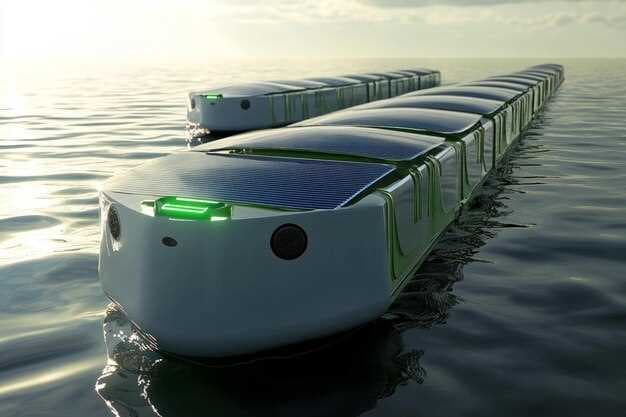
The marine industry stands on the brink of a transformative shift as boat companies around the world increasingly embrace electric vessels. This revolution, much like the transition to electric cars seen in companies like Tesla, promises to alter the landscape of watercraft manufacturing significantly. As experts in the field consider the performance and sustainability of various designs, it has become clear that the future of boating is largely tied to renewable energy sources. The impact on the environment cannot be overstated; electric boats are designed to operate without the lack of fuel emissions that plague traditional gas-powered options.
Many manufacturers have already taken significant steps to convert their inboard and outboard vessels to electrical systems, focusing on sustainability and efficiency while drastically cutting maintenance costs. Private entities, such as Sweden's Dorian Boats and others based in Australia and India, are stepping up to produce a series of models aimed at both recreational and executive passenger use. These small vessels, which often feature innovative hulls and wings, are completely redefining what it means to navigate inshore and inland waters. As thousands of boats take to the water powered by electricity, the need for refueling stations and charging facilities has resulted in a new infrastructure geared toward supporting eco-friendly transportation.
As companies innovate and invest in electric technology, the future looks bright for eco-conscious consumers. The journey from conventional gas-powered vessels to the efficient use of solar and other renewable energy sources is well underway. As Glyn and other industry leaders champion these advancements, it becomes increasingly evident that they are not just looking to raise their stock but to impact the world positively. With the electric revolution in watercraft, the performance and experience of boating are bound to evolve, offering a cleaner, quieter, and more enjoyable experience for passengers around the globe.
📚 You may also like
Understanding Electric Boat Technology
Electric boat technology represents a significant shift in the maritime industry, aiming to provide both eco-friendly and efficient alternatives to traditional fossil fuel engines. Battery-electric systems are built to meet the demands of diverse watercraft, including recreational vessels and fishing boats. In general, electric engines reduce both greenhouse gas emissions and noise pollution, making them a popular choice for those looking to enjoy nature without disturbing it. Companies like Forlanini are designing innovative solutions where battery storage systems are integrated seamlessly, ensuring that renters and passengers alike can enjoy smooth rides across calm waters.
Electric boats permanently change the way we think about marine travel. McColls, an executive in the electric boat sector, claims that the potential of this technology drastically improves the boating experience. With fewer moving parts than traditional outboards, maintenance is simplified, and operational costs are significantly reduced. However, challenges remain. Sources in the media highlight that charging infrastructure is still in its infancy, which sometimes makes long-distance travel difficult. As summer approaches, many manufacturers are focusing on developing models that can withstand the increased usage and provide a reliable power source for longer voyages.
Despite its drawbacks, electric boat technology holds huge promise for the future of maritime adventures. Builders are now looking to create designs that not only enhance performance but also promote sustainability. As the demand for clean energy solutions grows, innovations in this field will lead to more viable options for consumers. There is a clear emphasis on improving battery technology to ensure that charging times are minimised, allowing boaters to get back on the water quicker than ever before. The objective is to create a new era of boating that is both enjoyable and responsible.
How Does Electric Propulsion Work in Boats?
Electric propulsion systems in boats operate by utilizing high-performance electric motors that are powered by renewable energy sources, mainly through advanced battery storage systems. The electric motors convert electrical energy into mechanical energy, enabling the vessel to glide smoothly across the waters. These systems eliminate the need for traditional fuel, reducing pollution and environmental impact. Battery charging can be done at docks or through solar energy, allowing vessels to operate without the hassle of refueling. This is a significant advantage for boaters, as it cuts down the time spent on maintenance, ensuring that they can focus more on enjoying their time on the ocean.
In addition, electric propulsion offers something unique for sports enthusiasts and recreational renters alike. The lack of a noisy motor enhances the overall experience, enabling individuals to connect with nature without the hellish sounds of traditional engines. High-performance motorboats, utilizing this green technology, can achieve impressive speeds, making them ideal for competitions, especially in settings like Olympic races. Companies like Dorian are trailblazing through the eco-friendly revolution, providing vessels that combine efficiency with cutting-edge technology. As Australia and other regions embrace this trend, the potential for electric boats in both commercial and personal use will continue to grow in the coming years, permanently changing the landscape of watercraft operations.
Comparing Electric Motors to Traditional Engines
Electric motors represent a significant shift in marine technology that offers numerous advantages over traditional internal combustion engines. They are made to operate more quietly and efficiently, allowing vessels to glide through the waters with minimal noise pollution. This is particularly important for maintaining the natural habitat of marine mammals, which are sensitive to loud sounds. In the past, boaters have endured not only the noise but also the oil spills and carbon emissions that come with burning fossil fuels, raising environmental concerns.
One of the key benefits of electric motors is their lower operational costs. While traditional engines require constant refueling and maintenance, electric motors can be easily recharged at marinas or homes, offering a reliable source of energy. Additionally, the economy of using renewable energy sources means that the overall cost of charging can be minimal compared to the ongoing expenses associated with petrol or diesel. As more countries adopt cleaner energy standards, the viability of electric options grows, making them a more attractive choice for recreational and commercial vessels alike.
Many startups and established companies are converting their vessels to incorporate electric motors, including notable projects like the EELEX and Carter. These innovations highlight the growing demand among boaters looking for eco-friendly alternatives. Features such as inboard electric motors provide a clean, zero-emissions solution for those who wish to minimize their environmental footprint while enjoying the open waters. The transition to electric motors not only meets the needs of modern boaters but also supports the global movement towards renewable resources and sustainable living practices.
Battery Types and Their Impact on Performance
Electric boats are designed to meet the challenges of modern transportation with a focus on sustainability. The choice of battery type plays a critical role in determining the performance of these watercraft. Among various options, lithium-ion batteries have emerged as the preferred choice due to their energy density and recharge efficiency. On the other hand, lead-acid batteries, while more traditional, exhibit a lack of overall performance, which can significantly impact reliability.
Each battery type has its own strengths and weaknesses, contributing to the decision-making process for boat manufacturers and consumers alike. Lithium-ion batteries can fully recharge in as little as 30 minutes, whereas older models might require several hours. This rapid recharge capability translates to greater operational efficiency for electric ferries and inshore vessels that need to stay on schedule. As the world moves towards cleaner energy sources, the potential of these advanced battery technologies becomes even more pronounced.
- Lithium-Ion: Dominant in modern electric boats, known for high energy capacity and fast recharging.
- Lead-Acid: Conventional, heavier, and slower to recharge, generally used in casual applications.
- Solar Batteries: Designed to integrate with renewable energy sources, ideal for sustainable marine adventures.
As Enrico Carter, the chief engineer at EELEX points out, the future of electric transportation on water will demand significant advancements in battery technology. Companies like Glyn are already conducting tests to develop next-generation batteries that can handle the rigorous demands of ocean travel. For boat enthusiasts, the performance of electric boats will not only redefine their experience but will also pave the way for a cleaner, greener future in watercraft design.
Charging Solutions for Electric Boats
As the demand for electric boats continues to rise, manufacturers and innovators are focusing on developing effective charging solutions. The shift from traditional combustion engines to battery-electric motors has created a need for reliable infrastructure that can support the electrification of watercraft. This shift emphasizes the importance of creating charging options that cater specifically to the needs of boat owners.
Innovations in charging technology have led to remarkable advancements over the past few months. Electric boats now require less downtime for charging, thanks to efficient battery systems. Some boats can be fully charged in a fraction of the time it takes to fill a conventional fuel tank, allowing for longer voyages without worrying about running low on power.
One major aspect of charging solutions is the incorporation of existing infrastructure. Many marinas are adapting their facilities to accommodate electric boats by installing public charging stations that utilize high-performance chargers. In addition to traditional power sources, some marinas are experimenting with solar panels and wind turbines to provide cleaner energy for charging.
Reducing the carbon footprint of boating is a key goal of these charging innovations. A transition to electric motors not only results in fewer emissions, but also minimizes the risk of spills, making the waterways cleaner and safer for marine life. The potential for hybrid solutions is also being explored, as some manufacturers aim to create boats that can switch between electric and traditional motors depending on the route and circumstances.
| Charging Solution | Average Charging Time | Energy Source | Environmental Impact |
|---|---|---|---|
| Public Charging Stations | 2-4 hours | Grid Power | High |
| Solar-Powered Chargers | 5-8 hours | Solar Energy | Minimal |
| Hybrid Chargers | 2-6 hours | Grid + Renewable | Moderate |
Manufacturers must also consider the weight and design of battery systems while developing electric boats. The combination of a lightweight build with robust battery packs leads to longer operational life and improved performance on water. This consideration is crucial for a competitive edge in the growing market of eco-friendly boating.
As more electric boats are sold each year, the quest for a seamless boating experience continues. Efforts are being made to integrate smart technologies that can connect your boat's systems to nearby charging networks. This connectivity will allow boaters to easily find available charging stations along their route, ensuring they can plan their trips without worrying about depleting their batteries.
In conclusion, charging solutions for electric boats play a vital role in the ongoing eco-friendly revolution in watercraft. With public and private sectors both investing in charging infrastructure, the future of boating looks cleaner and more sustainable. As technology continues to evolve, so too will the methods we use to power our travels on the water.


