Boat Canopy Repair and Maintenance Guide
Alexandra
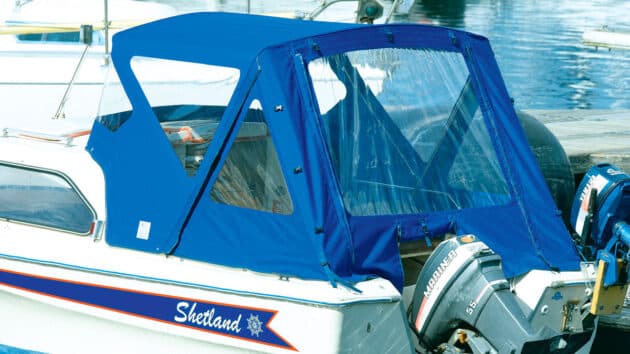
In many charter marinas and busy yacht harbours, operators schedule canopy maintenance at six‑month intervals to minimize vessel downtime, preserve booking capacity and reduce supply‑chain pressure for replacement fabrics and hardware. Routine tasks — freshwater rinses after saltwater exposure, reproofing seams, and prompt zip and popper servicing — directly affect turnaround times for charters and day‑hire boats.
Common canopy failures and quick logistics considerations
Modern boat canopies increasingly use lightweight, UV‑resistant fabrics and larger glazing panels, but the familiar failure modes remain: sun bleaching, brittle or yellowed acrylic windows, corroded fittings, failing bungee cord and degraded stitching. From an operational perspective, keeping a small inventory of replacement poppers, a tube of marine zipper lubricant and a spool of UV‑resistant thread can avoid lengthy layups and maintain availability for skippers and captains.
Why small spares matter
- Quick replacement of poppers and clips reduces time out of service.
- Onboard marine silicone spray and zipper lubricant prevent jammed zips affecting boarding and covers.
- Carrying or arranging local access to acrylic window sheets and double‑sided tape speeds repairs at marinas.
Freeing jammed zips and studs
Salt spray and dissimilar metals accelerate corrosion in metal springs and poppers, while UV embrittlement affects plastic zip teeth. Apply hot freshwater to dissolve salt deposits, allow fittings to dry, then use a marine silicone spray on spring mechanisms. Avoid WD‑40 on fabric — it can stain.
📚 You may also like
If poppers are beyond freeing, they are usually inexpensive to replace; zips with missing teeth require either partial replacement or full zip renewal. Apply a marine formulation zipper lubricant regularly through the season to keep runners smooth.
Practical steps
- Rinse zips and poppers with hot freshwater after every saltwater voyage.
- Dry fittings thoroughly before applying silicone spray.
- Keep spare bungee cord and poppers in the boat toolkit for rapid swap outs.
Rust marks and frame contact
When canvas or windows touch a stainless steel support frame for long periods, the area can trap moisture and oxygen, compromising the chromium layer and producing stains. A simple spacer — pipe lagging or a coloured fabric strip — holds the window away from the metal and prevents contact corrosion. On a Sunseeker, for example, replacing metal contact points with a Velcro‑secured fabric spacer both removed staining and improved appearance.
Cleaning fabric: method and products
Regular cleaning extends the life of the canopy. Use a mild soap or a specialist product such as Renovo (formulated for convertible and marine fabrics). Key steps:
- Apply cleaner neat or diluted as manufacturer directs and work into seams with a soft brush.
- Allow at least five minutes for action, then agitate with hot water and a firm brush, taking care around stitching.
- Rinse thoroughly with freshwater and allow to dry completely before stowing.
When organic growth or bird droppings happen
Algae, lichen and bird guano can embed in fibres. Aggressive but safe brushing plus targeted cleaner application is necessary; consider a temporary plastic cover if leaving the boat under trees for extended periods.
Maintenance schedule (checklist)
| Task | Frequency | Materials / Tools |
|---|---|---|
| Freshwater rinse after salt exposure | After each outing | Freshwater hose |
| Zipper and popper lubrication | Monthly (or after heavy use) | Marine silicone spray, zipper lubricant |
| Full cleaning with specialist cleaner | Seasonal | Renovo or equivalent, brushes |
| Reproofing seams | Every 6 months | Reproofing liquid |
| Window polishing | As required | Abrasive compound for acrylic, soft cloth |
Replacing windows
A brittle or ripped acrylic window can often be replaced without removing the entire canopy. Keep the old window in place for support while preparing the aperture. Steps include removing the inner row of stitches, cutting a small extraction hole in the old sheet, applying double‑sided tape around the aperture, and laying in a new acrylic panel. Sew the outer seam first using a UV‑resistant thread, trim excess acrylic and finish the inner seam. A light dusting of silicone on the needle prevents sticking when sewing through acrylic.
Cleaning and polishing windows
Fogging and fine scratches on clear acrylic can usually be mitigated with a polishing compound designed for marine glazing. Use steady circular pressure with a soft cloth; multiple steps may be required for deeper haze. Note that deep cuts will remain visible.
Fabric repairs and colour restoration
Small tears are repairable by sewing or patching; the canopy can often be removed, worked on ashore and reinstalled. For faded canvas (not vinyl), a paint‑based dye — such as Boat Canvas Reviver from Renovo International — can restore darker tones. Dye will also colour threads and trims, masking repairs and slightly stiffening the fabric; it is best used as a life‑extension measure rather than a performance upgrade.
Reproofing and seam care
Leaking seams often indicate thread degradation. A reproofer brushed into seams forms a transparent, flexible film that seals needle holes and restores watertightness. Apply every six months and after any major restoration work.
When to replace
If fabric is shredded, windows are irreparably scored, or the canopy no longer matches a refitted deck layout, commissioning a new custom canopy may be the most efficient long‑term option. Modern replacements can include extra vents, improved glazing arrangements and upgraded fittings to match revised decklines or new upholstery.
Brief historical overview
Canopy materials have evolved from traditional cotton canvas to treated acrylics and coated polyesters designed specifically for marine environments. Innovations from the convertible car industry influenced products such as Renovo cleaners and revivers, while advances in UV‑stabilised threads and vinyl glazing improved longevity. Metal hardware moved from simple brass and mild steel to stainless alloys, but the same corrosion physics — trapped moisture and dissimilar metals — still govern failure modes.
Outlook for boating, charters and tourism
Well‑maintained canopies keep vessels charter‑ready, reduce on‑water cancellations and improve customer perception for marinas, yacht charter companies and private owners. As tourism rebounds across coastal destinations, attention to canopy care supports safer, more reliable yacht and boat hire operations. Simple maintenance inventories and quick repair skills at marinas help manage the logistics of fleet turnover, prevent costly sales of prematurely worn craft, and maintain the appeal of sailing destinations, marinas and clearwater bays.
To wrap up, basic but consistent maintenance — freshwater rinsing, regular lubrication of zips and poppers, seasonal cleaning with the right products, timely window replacement and periodic reproofing — will extend the life of a canopy and keep yachts and charter boats available for sea and lake use. Whether performing minor fabric repairs, restoring colour or fitting a new panel, these interventions preserve value and help captains and owners focus on cruising, fishing, and other on‑water activities.
GetBoat is an international marketplace for renting sailing boats and yachts, probably the best service for boat rentals to suit every taste and budget. For owners and charter operators looking to keep yachts, charter boats and superyacht tenders in prime condition for guests and captains, adherence to the maintenance and repair steps above protects bookings, increases the appeal of destinations, and supports healthy activity levels across marinas, beaches, gulfs and open ocean routes — whether the plan is to rent a boat for a day on the bay, charter a sailing yacht for a week, or list a vessel for sale or longer‑term hire. Explore their listings and resources at GetBoat.com.