Boat Anchor Types - A Complete Guide to Choosing the Right Anchor for Your Vessel

Founder, TheThinksters.com
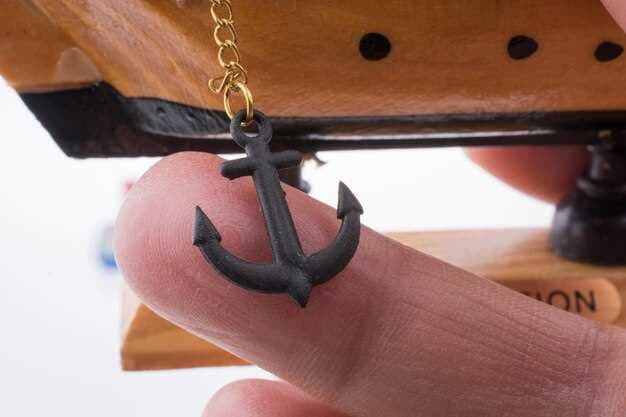
Choosing the appropriate anchor for your vessel is crucial for ensuring safety and stability when moored. The right anchor can determine how well your boat remains in position, especially in open waters where factors such as wind and current can pose significant challenges. Anchors have evolved significantly over generations, and modern variations offer improved performance and compatibility with various vessel types, ranging from small powerboats to larger sailing yachts.
Anchors come with different designs, each tailored for specific conditions and structures found at the bottom of lakes and oceans. Among the most recognized styles are the fluke, spade, and bruceclaw anchors. Each operates based on weight distribution and structure penetration. This article will delve into the mechanics of these designs, their strengths and downsides, and how they perform under different circumstances. Tips on using accessories like kellets, which can further enhance anchor performance by adding weight, will also be discussed.
It's essential to remember that different anchors handle various seabed textures, including sandy, rocky, and submerged ledges, differently. When selecting an anchor, consider not only its weight but also how well it will perform in your typical anchoring locations. The goal is to ensure minimal difficulty when setting the anchor and to establish a stable hold that keeps your vessel securely in place. Whether you are fishing or simply enjoying a day on the water, this guide will help you navigate the complexities of anchor selection, underscoring the importance of making informed decisions for safe and enjoyable boating experiences.
📚 You may also like
CQR Traditional Plow Anchor
The CQR Traditional Plow Anchor is a seasoned choice for boaters seeking reliability and performance. It excels in various seabed conditions due to its unique blade shape that penetrates better into the substrate, whether it’s a sandy bottom or silty mud. With a design that allows it to dig in and provide a secure hold, CQR anchors ensure that your vessel remains firmly moored, even when conditions get rough. For recreational users, this anchor is essential in keeping your boat stable while at rest or when you're enjoying time on the water.
Constructed from tough materials, the CQR anchor offers greater tensile strength, allowing it to withstand significant loads without bending or breaking. This factor is increasingly important for larger boats that encounter unpredictable weather. Plus, its ability to reset itself during changing tides or shifts in wind direction means that it can maintain its position with minimal effort on your part. For those looking to enhance their anchoring experience, utilizing a kellet can further improve the anchor's performance by increasing its overall holding power.
One thing to keep in mind is that while the CQR anchor is effective, it may take longer to set compared to modern designs like the Rocna. However, for those who value tradition and reliability, the CQR proves that many generations have trusted its performance. If you're using a kayak or smaller vessel, it might be bulky for your needs, but for larger boats, it offers a fantastic option to ensure you remain safely moored and secure. As you consider your choices, always remember to evaluate the specifics of your boating style, the environments you plan to explore, and the scopes of your anchor line to ensure you’re making the best choice for your adventures.
Understanding the Design and Functionality of CQR Anchors
The CQR anchor, known for its unique design, has been a popular choice among sailors for decades. This anchor features a plow-like structure that performs exceptionally well in a variety of seabed conditions. Its innovative design helps to create a strong hold by scooping and burying itself into the sea floor, making it ideal for both deeper and shallower waters. As you begin your anchor journey, recognizing the CQR's functionality is crucial.
The mechanism of the CQR includes a pivoting blade and a pair of arms that can adjust to various positions during deployment. When dropped, the blade digs into the seabed, and as it sets, the arms help to keep it in place. This design allows the anchor to work effectively in muddy or grassy bottoms, where traditional anchors may struggle. It's easier to rely on a CQR when you’re maintaining your position in challenging conditions.
While CQR anchors are known for their performance, they come in different versions and sizes to suit various vessels, from larger blue-water cruisers to smaller kayaks. Considering your specific needs is essential; a CQR anchor that fits your boat well will make all the difference in anchoring securely. The variety of models available ensures that there’s an option for almost every sailor, whether you need a heavy-duty anchor or a more lightweight version.
Over the years, the CQR has evolved, incorporating various features that enhance its functionality. One of the significant improvements includes the introduction of the Arganeo design, which incorporates a buoy that assists in the easy retrieval of the anchor. This newer version offers greater efficiency, especially for those who frequently change their position or need to reposition quickly.
In contrast to other styles, such as the Rocna or Bruce claw anchors, CQR anchors excel in certain conditions while performing adequately in others. Whereas some anchors like grapnels are specifically designed for small boats, the CQR makes a solid choice for a variety of vessels requiring dependable performance in rough seas. When anchor choice becomes critical, understanding the strengths of CQR ensures you make the right decision.
The pivoting blade, coupled with a reinforced structure, allows the CQR to adapt to movement and roll, securing your vessel effectively during challenging weather conditions. By reaching deeper into the soil, the anchor creates a stronger hold, and its ability to set quickly means fewer complications when anchoring. As you consider your anchoring needs, keep in mind that the right anchor can provide peace of mind during your voyages.
In conclusion, the CQR anchor stands as an ultimate solution for many sailors. It performs well under different conditions, easily adapts to variable surfaces, and offers reliability that outlasts generations. If you’ve yet to experience the advantages of CQR anchors, beginning with one of these models can significantly enhance your sailing experience, making sure you stay secure, no matter where your adventures take you.
Advantages of Using CQR Anchors in Various Conditions
CQR anchors, known for their unique design and functionality, make an excellent choice for securing vessels in a range of conditions. Their trademarked shape allows them to perform exceptionally well for cruisers looking to anchor reliably. The immense holding power results from the anchor's blade and arms creating a gripping effect on the seabed, whether it is sand, mud, or grass.
One of the significant advantages of CQR anchors is their ability to set and hold in various bottoms. Many manufacturers design these anchors with sharper edges, ensuring they can penetrate different seabed types effectively. This versatility comes in handy, especially when sailing in areas where the bottom composition can change rapidly.
Additionally, CQR anchors are known for their capability to create a secure hold, even under varying loads. This is particularly beneficial for vessels that may face shifting weather conditions or strong currents. These anchors can resist moving due to their design, which allows the arms to bury more deeply into the sand or mud, preventing premature release.
- Reliable holding in different seabed types
- Effective at preventing dragging
- Stronger performance under challenging conditions
Another edge that CQR anchors have over their competitors, like Bruce or Claw, is their ability to set quickly and firmly. Once the anchor is deployed and the rode is tensioned, the design helps to ensure that it buries itself effectively and remains in place, even when the vessel is subjected to immense forces.
Maintaining a CQR anchor is easier as well due to the materials used in its construction. Many models utilize stainless-steel components, which are resistant to corrosion and provide durability in various saltwater conditions. This design consideration ensures that the anchoring system remains effective over the long term without requiring frequent replacements.
Despite their advantages, CQR anchors do require proper handling and understanding of how to deploy them to maximize their capabilities. Tips for effective use include releasing the rode slowly and allowing the anchor to settle naturally, which can enhance its ability to hold securely. A well-set anchor can make a significant difference in ensuring the safety of any cruiser.
Finally, it is essential to remember that while CQR anchors are versatile, the right choice still depends on specific boating conditions and personal preferences. Whether dealing with sudden weather changes or choosing a location with unpredictable bottoms, CQR anchors can offer peace of mind, making them a popular choice among boaters everywhere.
How to Determine the Right Size of CQR Anchor for Your Vessel
When selecting a CQR anchor, understanding its size is critical for ensuring safety and reliability while boating. The correctly sized anchor must be able to hold your vessel firmly in a variety of seabeds, which can include sand, mud, and rock. A commonly accepted guideline is to base the anchor size on the weight of the vessel. For instance, a heavy vessel typically requires an anchor with a holding capacity three to five times its weight. The CQR’s patented design, which features a hinge that allows it to set deeper into the seabed, offers an excellent option for varying conditions. Therefore, it is essential to consider the anchor's ability to maintain its grip under challenging circumstances.
To further refine your choice, consider the area in which you will be anchoring. Different versions of the CQR anchor are available, each tailored for specific environments. For example, lighter anchors may perform adequately in sheltered moorings or during calm weather but may not be reliable in stronger currents or adverse conditions. Utilizing the right combination of chain and rope, in conjunction with a correctly sized anchor, will allow you to shorten the difficulty of anchoring and ensure your vessel remains securely fastened. The objective is to achieve a strong enough hold that remains effective even when submerged; thus, accounting for the sharpness of the anchor blades is also crucial for a firm grip in various substrates.
Installation Tips for Optimal Performance of CQR Anchors
When setting up your CQR anchor, always ensure that the installation supports optimal performance. A solid foundation is crucial as it directly affects the anchor's efficiency. Many boat owners encounter difficulties during the initial setup, making it essential to understand the anchor's features and capabilities before use.
The CQR anchor excels in various settings, thanks to its unique design that combines a plow and a spade. One significant advantage of this anchor type is its high penetration capability into different seabeds, whether sand or weed. This versatility ensures that the anchor can effectively moor powerboats or larger vessels under diverse conditions.
In mild conditions, a properly set CQR anchor reduces the risk of dragging. Ensure the anchor is deployed with the proper amount of chain to allow for adequate holding power. The recommended rule is to use a length of chain approximately 5 to 7 times the water depth, which helps maintain vertical alignment and optimal holding.
Remember to regularly stow your CQR anchor to avoid unnecessary wear. This practice will help maintain the anchor's functionality and ensure it remains ready for use at any time. Modern designs often fold, making stowage easier and more efficient without compromising performance when deployed.
Another important aspect to consider is the compatibility of your CQR anchor with your vessel. Different models come with varying arms and blades designed for specific types of seabeds. Make sure to choose an anchor that can handle the conditions you expect to encounter, whether soft mud or rocky ledges.
In case of a temporary anchorage, ensure that the CQR anchor is set deeply enough to withstand changing winds and currents. A well-set anchor not only provides peace of mind but also minimizes the chances of break and drift during the trip.
The hinge mechanism of the CQR is designed to allow for easy resetting when necessary. If the anchor fails to penetrate sufficiently, adjustments must be made immediately to prevent drifting. Simple techniques, such as letting out more chain or repositioning, can help enhance the anchor's grip.
In conclusion, installing a CQR anchor requires attention to detail and understanding of its capabilities. By following the tips outlined, you can ensure your anchor performs to the best of its abilities, providing solid security for your vessel while enjoying your time on the water.