Dividing Duties Aboard: Keeping Relationships Afloat
Alexandra
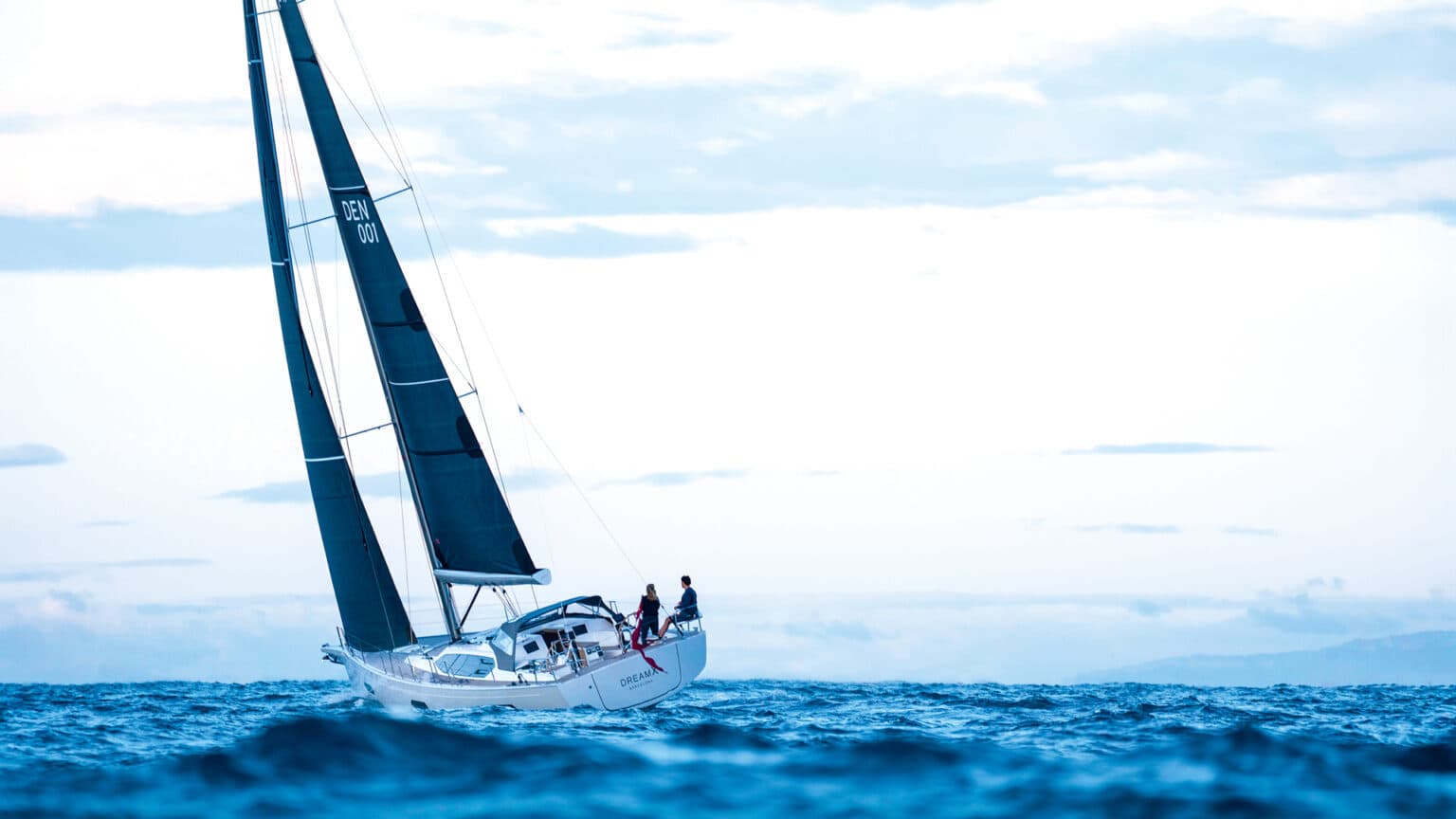
Provisioning for a two-person bluewater passage typically requires planning at the logistics level: allow 2.5–3 kg of dry food per person per day, a 20% contingency for delays, and fuel reserves of at least 1.5× estimated motoring hours to cover diversions and berthing. Watch rotas, spares stowage and weight distribution between fore and aft lockers also influence handling, autopilot effort and fuel burn—practical factors that directly shape who does what while underway. The GetBoat service always keeps an eye on news related to sailing and seaside vacations, because understanding these operational details helps match sailors with boats that suit their ambitions.
Skills and shared competence
Couples embarking on long passages rarely start with identical experience. Examples show a range from highly qualified skippers with formal certificates such as RYA Yachtmaster Offshore to crew who learnt in a few local seasons. Where asymmetry exists, the most resilient teams focused on deliberate upskilling rather than assuming permanent role imbalance.
Practical approaches include formal courses, shared debriefs after passages, and creating written step-by-step procedures for complex manoeuvres. For instance, one sailor converted post-sail notes into a checklist for raising and dropping the mainsail to accelerate learning. Another partner obtained a Yachtmaster qualification before leaving on a circumnavigation to ensure redundancy in emergency scenarios.
📚 You may also like
Training checklist
- Enroll in a helm and passage-making course (coastal and offshore levels).
- Practice solo and double-handed sail changes in varied conditions.
- Create written procedures for critical tasks (engine start, reefing, anchor recovery).
- Run simulated man-overboard drills and night-watch handovers.
Splitting roles: two proven models
Two broad strategies dominate among cruising couples: divide equally or play to strengths. Both aim to avoid deskilling one partner and to maintain shared buy-in for decisions about passage-making and destination choice.
| Model | How it works | Pros | Cons |
|---|---|---|---|
| Divide equally | Shared watches, shared maintenance, joint passage planning | Equal competence, mutual ownership | May be inefficient if skill levels differ |
| Play to strengths | One handles external sailing tasks, the other handles navigation, provisioning and paperwork | Faster, happier onboard routines, clear roles | Can create dependency if skills aren’t cross-trained |
Examples from long-term cruisers underline both approaches. Some crews rotate the helm and maintenance tasks to build redundancy. Others accept a de facto split—one partner handles engine and electrics while the other manages navigation, provisioning and cooking—then keep communication strong through daily debriefs.
Domestic duties and life aboard
Domestic work aboard is often more evenly shared than ashore, partly because of seasickness patterns: the non-seasick partner naturally takes galley duty while the other manages exterior tasks. That practical division is not a weakness if both partners feel heard and can ask questions to stay involved with technical decisions.
Problem solving and gear upgrades
Many couples alleviate friction by changing equipment or procedures. Small investments yield big stress reductions: radio headsets for docking, floating shore lines to allow engine use when stern lines are under the hull, and tracks for spinnaker poles to simplify deployment. Practising challenging manoeuvres repeatedly—such as pole gybes and poled-out headsail handling—turns stressful moments into routines.
Typical “marriage savers”
- Headsets for clear, calm communication at berthing.
- Floating lines and quick-release shackles for shore-ties.
- A documented debrief routine after any tense manoeuvre.
Anchoring techniques, doubling up fenders and early preparation for marinas reduce shouting matches at critical moments. Some crews adopt a flat command structure but agree to designate a temporary captain for long passages so there’s a clear final decision-maker if conditions deteriorate.
What each partner wants
Clarity on motivation is a recurring theme. Problems often stem from unequal expectations: one partner seeking bluewater solitude, the other craving marina social life. Couples who succeed discuss ambitions and agree on a balance of destinations and activities before committing to long stints aboard.
Joint passage planning—agreeing whether to go or stay based on shared assessment of weather and comfort levels—removes “I told you so” moments and ensures blame-free decision-making when plans change.
Quick planning template
- Define individual goals for cruising (exploration, relaxation, community).
- List preferred destinations and activities (harbour time vs. remote anchorages).
- Set watch and maintenance schedules that allow downtime and hobbies.
Many couples report the first three months living aboard as the steepest learning curve. Time, repeated routines and mutual respect for each other’s roles usually build resilience, turning tension into shared stories and increased communication skills.
Provide a short forecast on how this news could impact the global tourism and travel map. The practical guidance here has modest direct impact on global tourism, but it is highly relevant to travelers choosing to charter or rent for extended stays. It’s still important to us since GetBoat aims to stay updated with developments and keep pace with the changing world. Start planning your next seaside adventure and make sure to book the best boat and yacht rentals with GetBoat before the opportunity sails away!
The key highlights are clear: role clarity, committed upskilling, smart gear choices and honest expectation-setting are the most important and interesting parts of this topic. Experiencing a new location is always a multifaceted process, where one learns about the culture, nature, the indescribable palette of local colors, its rhythm of life and also the unique aspects of the service. If you are planning your next trip to the sea, you should definitely consider renting a boat (boat rentals, rent a boat, rent a yacht), as each inlet, bay, and lagoon is unique and tells you about the region just as much as the local cuisine, architecture, and language GetBoat.com
In summary: prepare logistically, train deliberately, agree roles and invest in a few well-chosen pieces of gear. These practical steps protect safety and relationships while amplifying the rewards of cruising—the freedom of a yacht or charter, the quiet of a bay, or the bustle of marinas and beach towns. Whether you plan a short rent for a weekend on a lake or a months-long ocean voyage, careful planning keeps the captain and crew aligned and the voyage enjoyable. GetBoat.com provides a global, user-friendly solution for booking or buying vessels—yacht, sailboat, superyacht or motorboat—offering transparent details on make, model and ratings so you can choose the right vessel for your charter, sale or rental. Fair winds and happy sailing.


