Best Bass Fishing Techniques and Gear - Updated Guide for 2026
Alexandra
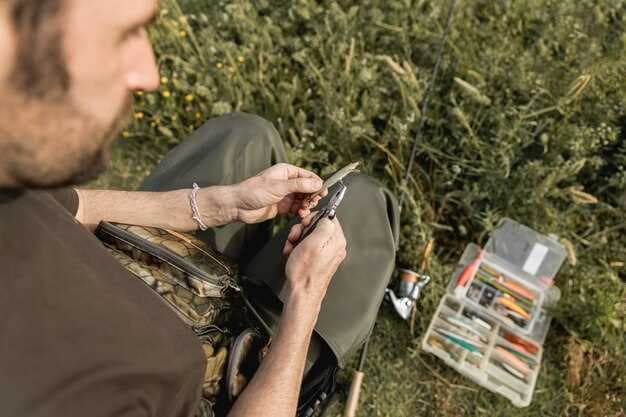
In the world of bass fishing, staying ahead of the curve is essential for success. The year 2025 brings with it new advancements in gear and techniques that can significantly improve your fishing experience. From the latest high-end devices designed to monitor lake conditions to the most effective baits that mimic live prey, understanding the full spectrum of options available is crucial. This guide aims to deliver valuable insights into the best techniques and equipment on the market, with a focus on balancing performance and price.
When it comes to gear, the choice between large hollow-body lures and thick plastic baits can be significant. Understanding how these components interact in water can make the difference between a great day of fishing and a frustrating one. Having the right tools not only enhances the fishing experience but also helps in finding bass in various depths and types of pads, whether you’re targeting shallow margins or deeper channels. Every listener of the water knows that the right color pattern can also play a significant role in triggering bites.
Moreover, mastering the footwork and techniques that allow for effective casting and retrieval is critical. Professional anglers often talk about the importance of speed and control in their presentations. As you immerse yourself in the world of bass fishing, remember that staying classy with your gear choices often leads to better results. Whether you're on a boat or fishing off the shore, the combination of adjustable rod actions and the right baits will help you stay in the game, ensuring that no opportunity is missed. So, buckle up as we explore the exciting landscape of bass fishing for 2025!
📚 You may also like
Top Bass Fishing Techniques for 2025
In 2025, the evolution of bass fishing techniques continues to demonstrate that using dynamic methods can significantly improve your outings. Anglers are now integrating traditional approaches with innovative strategies to enhance the overall experience. One standout technique involves utilizing smaller, customizable baits that produce a unique glide effect. These baits not only provide better action but also mimic natural prey, enticing bass to strike. Many fishers have reported that adjusting the weights of these baits leads to an increase in hooking success rates during warmer months when bass are more aggressive.
Another technique that remains a winner is the use of finesse fishing with lightweight rigs, which has become more versatile and responsive. By employing lighter lines and smaller hooks, anglers can ensure that the lunkers are less wary, allowing for a more subtle approach that plays to the strengths of these species. This method not only reduces latency in the bite but also enhances the overall feel, as responses are quick and impactful. Moreover, using high-quality gear from brand innovators like Lunkerhunt and Shure provides essential feedback on your action and technique. As bass fishing gear becomes increasingly sophisticated, remember that the right combination of techniques and equipment can produce legendary results on the water.
Understanding Seasonal Patterns for Bass
Seasonal patterns play a crucial role in bass fishing, as understanding these movements can significantly enhance your chances of hooking the big catch. During spring, for instance, bass are often found in shallower waters as they prepare for spawning. This is the time when they are more aggressive, making it an ideal period for people using topwater lures. The emotional thrill of seeing a bass strike at the surface is unmatched, and this is something purists love about the sport. Strategic outtings during this time can lead to exceptional results, provided that anglers remain balanced in their approach.
As temperatures rise in summer, bass move to deeper waters. This transition can be a game-changer, as the fish seek cooler environments. They become more selective about their food, preferring those lures that closely mimic their natural prey. A versatile tactic during this season is using jigs or crankbaits that dive deeper, which makes it easier to reach them. Anglers should also consider the effects of vibrations and sounds, which can entice fish when they are less active, especially during the hot hours of the day.
Fall marks another transformation, where bass start preparing for winter. During this time, they will typically return to shallower areas as they feed aggressively to build fat reserves. The dynamic changes in their behavior provide an excellent opportunity for anglers to capitalize on their hunger. Switching lures and testing various colors can help deliver that perfect bait, keeping in mind that bass are particularly drawn to movement and the right balance of sounds. Utilizing these seasonal patterns effectively can lead to fruitful fishing experiences.
Winter presents the greatest challenges, as bass become lethargic and retreat to the depths, where they can remain undisturbed. The key to successful fishing during this period lies in using slower presentations, such as drop-shot techniques or cold-water crankbaits. While some may think this season is not worthwhile, the dedicated angler knows that achieving success during winter outings can be incredibly rewarding. With patience and the right gear, even during this colder time, one can find themselves facing the thrill of the chase, making the experience all the more meaningful.
Effective Lure Selection Based on Water Conditions
Choosing the right lure for bass fishing is crucial, especially when considering varied water conditions. Understanding how different factors affect fish behavior can help you select the best lure for any situation. A good starting point is to evaluate the clarity, temperature, and movement of the water, which drastically influences the bass's feeding patterns.
When the water is clear, bass tend to be more cautious. In this case, using high-quality lures that produce a subtle action can be effective. You might want to opt for finesse techniques like drop shots or senko worms. These lures deliver a more natural presentation, which is essential for enticing those legendary bass that lie in ambush.
Conversely, in murky water, you should consider lures that create a rich vibration and sound. Spinnerbaits and loud crankbaits often work wonders in these conditions. They produce a thunderous presence that allows bass to locate them from a distance. Plus, bright colors can enhance visibility in low-light conditions, giving your lures an edge over others.
Water temperature also plays a significant role in selecting the right lure. In warmer months, bass are often found near the surface, while cooler months drive them deeper. During hot weather, topwater lures like poppers can produce incredible results, enticing bass with a surface strike. In contrast, during the colder months, you'll want to test lures that can reach deeper beds, focusing on jigs and slow-rolled swimbaits.
The speed of your retrieve is another adjustable factor that affects your lure's effectiveness. Fast retrieves can trigger aggressive strikes from bass looking to feed. However, during times when they are less active, a slow and steady presentation often gets the desired response from more cautious fish. Customizing your approach in this way can result in huge catches.
Windy conditions can influence lure selection, too. The added motion in the water can hide lures and make fish feel more at liberty to strike. In such instances, crankbaits and lipless lures can shine, working effectively even in choppy waters. They cut through the waves, producing a strong, appealing action that bass can't resist.
Time of day also impacts your lure decisions. Early mornings and late afternoons typically yield the best results. At these times, bass are often more active and hunt for food, allowing you to leverage topwater lures, which will tantalize them as they search for an easy meal. Play around with different lures during these peak times; the right choice can turn an ordinary fishing trip into something spectacular.
Ultimately, success in bass fishing lies not only in the lures you choose but also in your ability to adapt and test different strategies based on water conditions. Those who take the time to learn and experiment will discover an all-rounder library of techniques that enhances their fishing experiences. Don’t be afraid to write down your findings and keep records of what worked; the knowledge you gain will serve you long into the future.
Using Electronics to Locate Bass Hiding Spots
Utilizing electronics in bass fishing is essential for discovering those elusive hiding spots where bass often reside. Modern fish finders and sonar technology have the ability to track underwater structures and fish activity with high clarity. When you’ve got a solid model on your boat, you can effectively identify ledges, drop-offs, and submerged vegetation that bass love to frequent. Before you head out, ensure that your electronics are calibrated to provide optimal range and sensitivity for detecting these key areas.
Emotional attachment to a specific fishing spot often comes from the rich memories and sessions spent there. While this nostalgia can be beautiful, sometimes it’s more effective to let technology guide your journey. The main advantage of using electronics lies in their ability to reveal new locations that you might not have discovered otherwise. With today’s advancements, devices can pop up with tracks that show depth variations and surrounding structures, making it easier to pinpoint where bass might be hiding.
When looking for bass using electronics, focus on shallow to mid-depth areas where cover is abundant. Pay special attention to stumps, rocks, and drop-offs, as these features create a perfect ambush point for bass. You don’t have to spend lots of time aimlessly casting if you harness the power of your equipment–this will give you the advantage to know when and where to drop your favorite baits. Additionally, utilizing the right settings on your device can enhance your overall experience, providing the necessary feedback to tune your fishing strategy.
While fishing, integrate your findings from the electronics with your knowledge of bass behavior. Remember that bass often react differently based on environmental conditions–warmer waters might make them more active, while lows in temperature could see them retreat to deeper cover. By understanding these nuances and using technology effectively, your rate of success will undoubtedly improve. The combination of rich electronic data and instinctive fishing knowledge creates a legendary approach that many bassheads strive for.
Finally, it’s worth noting the importance of practice. The more you use your electronics successfully, the more comfortable you will become in interpreting the data. This emotional journey through trial and error is what makes fishing rewarding. So, whether you're using a high-end Bluetooth fish finder or simple sonar, embrace the technology at your disposal. Stay in tune with the ever-evolving world of bass fishing, and always be ready to adapt based on the information you receive.


