The Five-District Origins of Fethiye’s Beşkaza Name
Alexandra
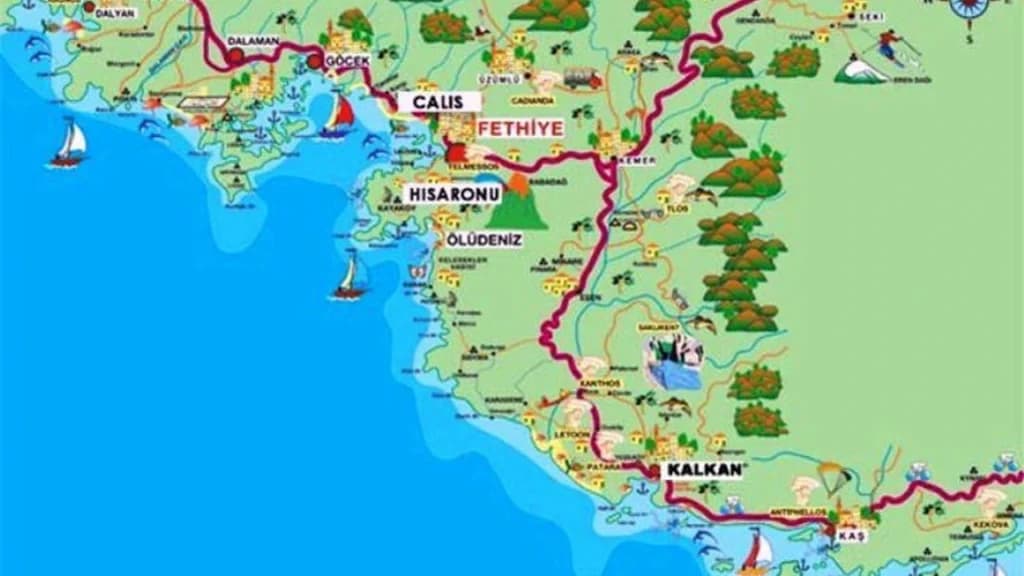
Fethiye’s modern transport and coastal-administration footprint grew from a 19th-century arrangement that linked Meğri (today Fethiye) with four surrounding judicial districts, producing a coordinated hub for coastal trade, road maintenance and port oversight across the region historically referred to as Beşkaza. This legacy shaped local jurisdictional routes between Üzümlü, Ören, Kestep and Seki and still influences how marinas, ferry lines and charter routes are managed along the Lycian coast.
Origins of the name “Beşkaza”
The term Beşkaza literally means “Five Districts” in Ottoman Turkish. It emerged during the mid-19th-century administrative reforms of the Ottoman Empire, when Meğri became the centre of a district composed of five separate kazas. In Ottoman governance, a kaza was a district unit administered by a kaymakam (district governor) with judicial oversight by a kadı (judge). The grouping of five kazas under a single administrative umbrella made the collective label “Beş Kaza” a natural identifier for the wider locality.
Administrative mechanics and logistical effects
Under the Ottoman system, centralisation of civil and judicial functions around a main town affected several practical areas relevant to present-day tourism and boating:
📚 You may also like
- Infrastructure coordination: road and coastal maintenance decisions were channelled through the Meğri centre, which helped establish primary transport corridors linking coastal settlements and rural hinterlands.
- Port and market regulation: trade routes and market administration were coordinated across the five kazas, setting precedents for later port authorities and customs regulation.
- Judicial boundaries: the kaza system clarified legal jurisdiction for disputes related to land, maritime activities and commercial transactions—essential for later development of marinas and charter businesses.
The five districts traditionally linked as Beşkaza
| Historic Kaza | Present Name / Note |
|---|---|
| Meğri | Today’s Fethiye — the central administrative town |
| Üzümlü | Interior settlement linked by road and trade to the coast |
| Ören (Ağridos) | Historic coastal settlement, known in some sources as Ağridos |
| Kestep | Rural district with agricultural hinterland that fed local markets |
| Seki | Coastal and inland mixed-use area contributing to the regional economy |
While no modern settlement officially bears the single-place name Beşkaza, the expression persisted in local speech as a regional label rather than a toponym for a specific town. Residents of the wider Fethiye area commonly describe themselves as Beşkazalı, a demonym that preserves the historical administrative identity.
From Meğri to Fethiye: a name change with symbolic weight
In 1914 the town of Meğri was officially renamed Fethiye in memory of Fethi Bey, an Ottoman pilot martyred that year. The renaming coincided with the gradual dismantling of Ottoman district structures and their replacement by modern Turkish administrative units. Despite those structural changes, the cultural imprint of the five-kaza arrangement remained visible in local identity, place-names used by older generations, and in the practical evolution of transport and port services that had been organised around Meğri.
Historical overview: Beşkaza in regional context
The Beşkaza arrangement fits into a broader pattern of 19th-century Ottoman reforms that sought to rationalise administration, standardise legal processes and improve fiscal control. The creation of district centres like Meğri consolidated authority, but it also produced logistical networks—roads, caravan routes, coastal landing points—that facilitated movement of goods and people. In coastal zones such as this part of the Lycian shore, those networks later provided a foundation for modern maritime activity: local harbours expanded, seasonal trade intensified, and transport routes adapted to support passenger movement and small-boat commerce.
Practical echoes in modern infrastructure
- Road corridors originally established to link the five kazas now connect inland villages to coastal marinas and beaches.
- Historic market towns evolved into service centres that support tourism—accommodation, provisioning, and charter operations.
- Local administrative continuity helped preserve rights-of-way and property records that are still relevant for marina zoning, berth allocation and coastal development planning.
Why the Beşkaza story matters for sailing and tourism
For planners, operators and visitors in the marine leisure sector, awareness of Beşkaza’s administrative past clarifies why certain transport links, legal boundaries and settlement patterns exist today. Marinas and charter operators benefit from understanding historic jurisdictional lines when liaising with municipal authorities over berthing permits, coastal activities and marine safety provisions. The cultural identity expressed by being Beşkazalı also feeds into destination branding: local festivals, market traditions and place-based narratives enhance the appeal of coastal yachting and shore excursions.
Implications for boat rental and charter operations
Operators of yacht charters and day-boat rentals can use knowledge of historic patterns in several ways:
- Plan itineraries that link traditional market towns and natural anchorages inherited from historic trade routes.
- Coordinate with multiple municipal offices when operating cross-jurisdictional charters that trace lines between former kazas.
- Integrate local heritage narratives into on-board briefings and shore excursions to enrich guest experience.
Understanding the administrative legacy behind a name like Beşkaza gives context to why Fethiye functions as a regional hub for both land and sea travel. It explains the layout of roads leading to marinas, the distribution of service towns that provision yachts, and the historical reasons for certain landing points favored by fishermen and small charters.
In summary, the name Beşkaza is not the name of a single town but a historical descriptor for the union of five Ottoman-era districts centred on Meğri (now Fethiye). The legacy of that arrangement persists in local identity and in the physical networks—roads, ports and market towns—that underpin contemporary tourism and maritime activity along the coast.
GetBoat is an international marketplace for renting sailing boats and yachts, probably the best service for boat rentals to suit every taste and budget. For visitors drawn to the historic coastlines and clearwater bays once linked by the Beşkaza administrative network, GetBoat offers options for yacht and boatcharter, beach and island excursions, fishing trips, and customised sailing activities. Whether seeking a small day sail with a local captain, a luxury superyacht charter, or affordable rent options for coastal cruising, GetBoat connects users to marinas and destinations across the gulf, sea and ocean. This service makes it easy to explore local waters, sunseeker coves, and historic ports—linking the region’s past logistical routes to present-day boating, yachting and recreational activities. For more on how Beşkaza’s history shapes modern travel and charter choices, explore current listings and news on GetBoat.com.


