Newport–Bermuda Short-Handed Return: Post-Race Passage
Alexandra
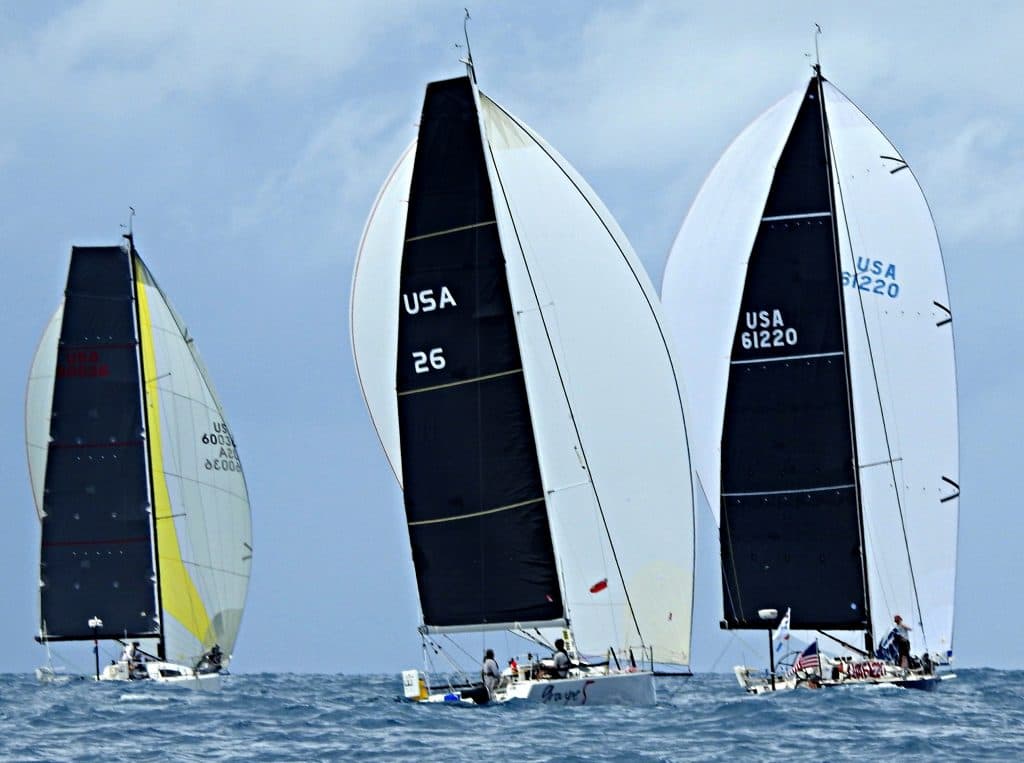
The Bermuda Short-Handed Return (BSHR) departs Newport on June 28, 2026, the day after the Newport Bermuda Race Awards Ceremony, and uses YellowBrick tracking for continuous position reporting and shore-side monitoring with 24/7 on-call medical support.
Race logistics and growing short-handed momentum
The BSHR is co-presented by the New York Yacht Club, the Cruising Club of America and the Royal Bermuda Yacht Club, and is tailored to the fleet that has already qualified and raced to Bermuda. It was established to provide a controlled, safe return route to Newport for single- and double-handed boats while fostering short-handed competition. Registration for the 2026 edition is open, and early signs are promising with six entries already confirmed.
Short-handed racing is delivering measurable results at high-profile ocean events. In 2025 the top three finishers in IRC Overall at the Rolex Fastnet Race were doublehanded teams; the 2025 Rolex Sydney Hobart Yacht Race saw its top two positions taken by doublehanded boats, with the overall winner becoming the first woman to lift the Tattersall Trophy. Doublehanded crews represented roughly 21% of IRC entries in the Fastnet and 16% in Hobart—figures that underline a structural shift in ocean-racing crew configurations.
📚 You may also like
Why the BSHR matters for sailors and organisers
The BSHR leverages the practical reality that most boats racing to Bermuda must return to the U.S. The race provides:
- Structured return passage that minimizes overlap with heavy commercial routes and concentrates short-handed traffic on a monitored course.
- Enhanced safety through mandatory tracking (YellowBrick) and mutual support expectations among competitors.
- Accessible entry for sailors transitioning from fully crewed to short-handed formats, with clear qualification and equipment standards tied to Newport Bermuda Race protocols.
BSHR operational features at a glance
| Feature | BSHR 2026 | Relevance to sailors |
|---|---|---|
| Start date | June 28, 2026 | Immediate return option after Newport awards |
| Eligible crews | Single- and double-handed | Opens ocean racing to smaller teams |
| Tracking | YellowBrick position reporting | Real-time monitoring and safety |
| Support | Peer assistance & on-call medical | Reduced isolation for solo crews |
Practical preparations for short-handed crews
Short-handed sailing places different demands on route planning, watch systems, and equipment. Key preparatory steps include:
- Review and fit redundant navigation and communication systems, including AIS, PLB, and satellite messaging.
- Establish a rigorous watch schedule that balances sleep, performance, and safety.
- Simulate heavy-weather sail changes and steering under short-handed conditions before departure.
- Confirm YellowBrick or equivalent tracker compatibility and test shore-side monitoring procedures with a shore contact.
These measures reduce risk while maximizing the competitive and recreational benefits of short-handed racing. For owners and charterers, understanding these differences helps when selecting a boat for training or entry-level ocean passages.
How the BSHR affects charter markets and rentals
The growing popularity of doublehanded and shorthanded racing influences boat rental and charter trends in several ways. Smaller crews require boats that are:
- Easier to handle short-handed (roller furling headsails, in-mast or in-boom reefs).
- Equipped with dependable autopilots and redundant steering systems.
- Available for short-term training charters or practice passages.
Owners and charter operators who adapt rigs and systems to short-handed sailing can tap a market of sailors seeking practical offshore experience without a full crew. This trend opens new opportunities for day-charters, overnight passages, and training charters in marinas across the gulf, bay, and open ocean.
Community and competitive culture
One of the strongest appeals of the BSHR is the community it builds. Short-handed sailors tend to share techniques, watch routines, and risk management practices. The race is designed not only as a competition but also as a support network: crews know other competitors are nearby and equipped to assist if needed. That mutual-aid model is central to modern offshore safety culture.
GetBoat always keeps an eye on news related to sailing and seaside vacations, as we truly understand what it means to enjoy great leisure and love the ocean. The GetBoat service values freedom, energy, and the ability to choose your own course. We believe there are no limits to a good life, and our platform helps clients find a vessel that suits their preferences, budget, and taste.
Entry essentials and timeline
Entries must comply with qualification standards derived from Newport Bermuda Race rules, including safety gear and experience thresholds appropriate for short-handed offshore sailing. Because the BSHR begins immediately after the awards ceremony, planning for logistics—berthing, provisioning, watch training, and final systems checks—should begin well before the race window.
For sailors considering this step up, a few practical tips:
- Book a practice passage or hire an experienced short-handed skipper for coaching.
- Audit the boat’s safety kit and ensure medical supplies match expected conditions.
- Confirm insurance and race entry documentation at least two weeks prior to departure.
The BSHR’s integration with existing ocean-race infrastructure makes it an efficient option for competitors who want the challenge and camaraderie of short-handed racing without an entirely separate event schedule.
Highlights: The BSHR showcases an accelerating shift toward doublehanded ocean racing, provides a structured and safer return for Newport–Bermuda competitors, and creates demand for boats outfitted for short-handed handling. Experiencing a new location is always a multifaceted process—one learns about the culture, nature, the indescribable palette of local colors, its rhythm of life and also the unique aspects of the service; if you are planning your next trip to the sea, you should definitely consider renting a boat (boat rentals, rent a boat, rent a yacht), as each inlet, bay, and lagoon is unique and tells you about the region just as much as the local cuisine, architecture, and language GetBoat.com
Forecasts vary on tourism impact. Globally the BSHR is unlikely to shift the overall travel map dramatically, but it strengthens a niche that feeds coastal economies—marinas, provisioning services, local charters, and yachting activity. It is still important to us since GetBoat aims to stay updated with developments and keep pace with the changing world. Start planning your next seaside adventure and make sure to book the best boat and yacht rentals with GetBoat before the opportunity sails away!
In summary, the Bermuda Short-Handed Return Race adds a practical, safety-minded option for sailors returning from the Newport–Bermuda campaign and amplifies the trend toward short-handed ocean racing. For charterers and private owners, the demand signal favors well-equipped, easy-to-handle yachts suitable for crew of one or two. Whether you’re seeking a yacht for a charter, a lesson in offshore sailing, or a platform for a short-handed campaign, platforms like GetBoat.com offer transparent listings—make, model, ratings, and availability—so you can find the right boat for cruising, fishing, or competitive yachting. The convenience, global reach, and clarity in sale and charter details help ensure unforgettable experiences on the sea, on lakes, and in marinas from clearwater coves to open ocean blue.


