Living the dream at sea: Barry Perrins’ voyage
Alexandra
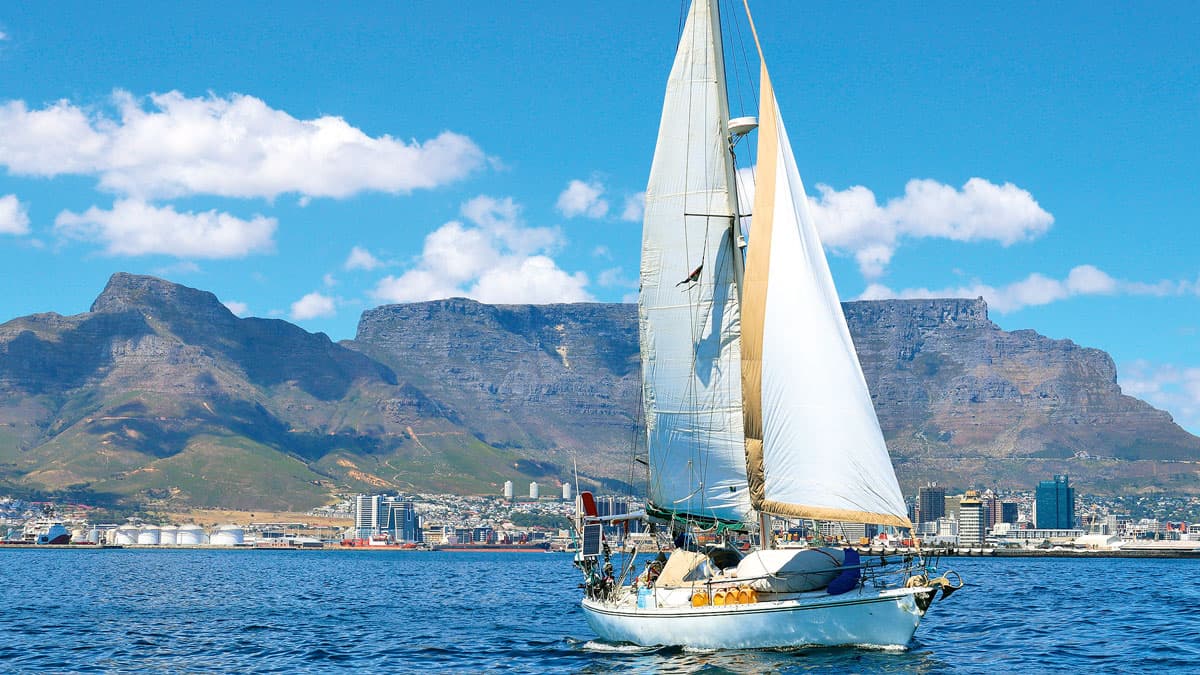
Barry Perrins’ circumnavigation covered roughly 30,000 miles from a June 2016 departure aboard a 36ft steel Van de Stadt sloop, White Shadow, with a routing that included Cape Verde, Barbados, the Panama Canal, French Polynesia, New Zealand, Australia, Indonesia, South Africa, the Azores and the UK; the voyage required constant passage planning, skipper-only watches, and repeated decisions to abort, hold position or seek assistance during high-risk stretches such as the Tasman Sea, the Pacific doldrums where he was effectively out of sight for 71 days, and the Channel’s conflicting winds on the home leg.
Route, timings and critical transits
The itinerary shows how singlehanded passages stress planning, redundancy and port logistics. Key transits and timing facts:
- Start: June 2016 on a 36ft steel-hulled Van de Stadt sloop, White Shadow.
- Transatlantic leg: routed via Cape Verde to Barbados — a conventional westbound clove-hitch to catch northeast trades and avoid long low-wind zones.
- Panama Canal transit: a logistical pivot point allowing Pacific access; short-term berthing, customs and provisioning procedures became part of the on-the-move schedule.
- Pacific passage: long unassisted runs with limited diversion options; 71 days between sightings following a period of calm and drift.
- Southern crossings: Tasman Sea, the approaches to Australia and down to New Zealand demanded rigorous weather gating and conservative sail plans.
- Return: transatlantic to the Azores, then Channel crossing to the UK — showed the importance of accurate coastal forecasts and engine reliability in narrow-water transit zones.
Voyage highlights and incidents
Highlights of the trip included a Caribbean landfall at Barbados, the tactical Panama Canal transit, and wildlife encounters such as manta rays in the Marquesas and dolphins on the final approach to Plymouth. Incident reports and operational lessons:
📚 You may also like
- Medical self-sufficiency: Perrins performed onboard toe surgery after an anchor-hatch injury at Rodrigues Island; the case underlines the need for extensive medical kits and procedural confidence when shore aid is distant.
- Mechanical failure and rescue: an engine breakdown off Bundaberg combined with fatigue and limited sea room necessitated RNLI contact and an assisted recovery — illustrating that even experienced skippers must accept external help.
- Infectious risks ashore: cellulitis contracted in Australia highlights the interplay between boatyard hygiene, tropical climates and long-term health management aboard.
- Social resilience: solo circumnavigation is both seamanship and personal endurance — decision-making under sleep deprivation, the balance of solitude versus company, and dealing with inbound offers of crew that might disrupt a singlehanded strategy.
Community and port-side logistics
Perrins repeatedly praised the cruising network at marinas and anchorages: local sailors, harbour teams and marina staff often provide logistical shortcuts for visas, paperwork and provisioning. Practical takeaway: factor port assistance and local knowledge into the passage plan rather than treating harbours as mere reprovisioning stops.
Offshore realities: weather, sleep and decision-making
Passage-making statistics translate directly into operational rules: conservative weather gates for ocean crossings reduce exposure to gale-force variability; singlehanded watches require reliable autopilot or wind-vane steering and strict sleep-management protocols to limit cognitive degradation. Perrins articulated the existential risk: in severe storms decisions have survival consequences — avoid being pressured into offshore deadlines by ambition or schedules.
Onboard essentials
The gear list illustrates practical redundancy and communications strategy that modern cruising demands. The most relied-on items and how they influenced logistics are shown below.
| Item | Role | Operational note |
|---|---|---|
| Hydrovane | Wind-vane self-steering | Primary for singlehanded watchkeeping; no electric load and high reliability |
| AIS & Navionics | Collision avoidance and charting | Integrated display and phone alerts aided waked monitoring |
| Starlink | High-bandwidth communications | Enabled social media, weather downloads and long-range safety comms |
| Iridium GO! / PredictWind | Satellite comms & routing | Useful but required programming; replaced by Starlink for media needs |
| Fridge & basic galley | Provisions management | Failure mid-ocean forced a rationing and provisioning rethink |
Food, provisioning and space-efficient nutrition
Practical food strategies for long solo legs:
- Bake-in-pan breads flavoured with spices for energy-dense meals.
- Mung beans for fresh greens via simple sprouting — compact, light and nutritious.
- Canned goods and long-life cartons as contingency when refrigeration fails or island supplies are unreliable.
Maintenance, repairs and budgeting
Buying, maintaining and repairing a steel hull on a circumnavigation requires realistic budgeting and scheduling. Perrins sold inherited property to buy his boat and prioritized refit and safety equipment over other discretionary spending. Post-voyage refit and health costs remain part of lifecycle budgeting for long-distance cruisers.
The human-side of cruising matters: communities at marinas and anchorages supply operational intelligence and help with paperwork, while the pace and colours of each destination — food, architecture, nature — enrich the experience and create logistical obligations like local clearance and provisioning windows.
Start planning your next seaside adventure and make sure to book the best boat and yacht rentals with GetBoat before the opportunity sails away! This news is modest in its macroeconomic effect on global tourism, but it is a vivid reminder that individual voyages inspire planning and charter decisions for many recreational sailors and charterers.
Highlights worth noting: singlehanded circumnavigation requires robust gear (wind-vane steering, AIS, satellite communications), a conservative approach to weather, strong medical readiness, and community reliance at ports. Experiencing a new location is always a multifaceted process where you learn about the culture, nature, the indescribable palette of local colours, its rhythm of life and also the unique aspects of the service. If you are planning your next trip to the sea, you should definitely consider renting a boat (boat rentals, rent a boat, rent a yacht), as each inlet, bay, and lagoon is unique and tells you about the region just as much as the local cuisine, architecture, and language GetBoat.com
Summary: Barry Perrins’ decade with White Shadow shows how a well-prepared 36ft steel sloop, dependable steering like the Hydrovane, satellite communications such as Starlink, and careful route planning make a singlehanded circumnavigation feasible. Operational lessons include conservative weather gating, redundancy in navigation and comms, onboard medical competence and realistic provisioning. For sailors and charterers thinking about a yacht, charter or boat hire, these lessons translate into checklist items when choosing a vessel or planning a cruise: skipper experience, equipment list, maintenance history and local marina support. Whether your aim is a short weekend charter, a lake cruise or a longer ocean passage, the themes of seamanship, careful provisioning and community support remain the same — and platforms that provide transparent listings, full make and model specifications, ratings and clear prices help you find the right boat for the right adventure in sunseeker marinas, clearwater bays or the open ocean.