Tony Parker and the Long Haul of Bangor Packet
Alexandra
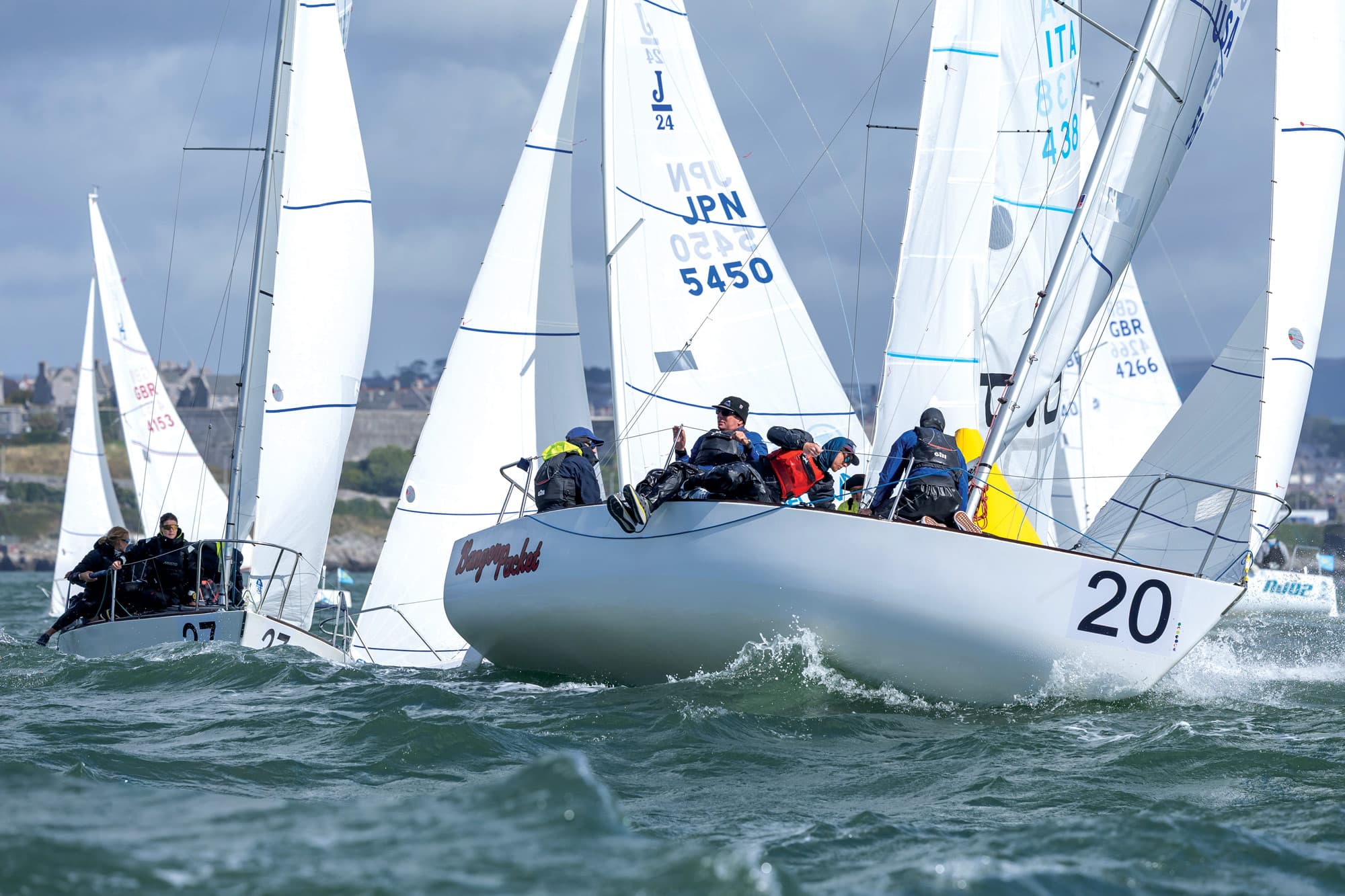
Bangor Packet (J/24 Hull No. 58) is transported overseas under a scheduled shipping crate and advanced customs handling rather than being chartered at events, a choice that influences preparation windows, sail selection, and crew logistics for world championships.
From America’s Cup Trials to a Lifelong J/24 Commitment
Tony Parker’s competitive arc shifted decisively after helming an America’s Cup 12 Metre in 1978: while racing in Rhode Island Sound he noticed the explosive growth of the new J/24 class — roughly fifty boats in their first nationals — and redirected his career toward one-design fleet racing. What followed was a decades-long commitment to the class, with Parker preferring to maintain and ship his own vessel, Bangor Packet, rather than rely on chartered boats at major events.
That early decision to invest in a personal hull and top-tier gear is significant in logistical terms. Shipping a race-ready J/24 requires coordination with boatyards, crate specialists, freight forwarders, and customs brokers, and it affects training schedules and sail inventories. Parker’s pattern — sending his boat for professional refits every couple of years and flying in a small, athletic crew — underpins consistent performance across long campaigns.
📚 You may also like
Plymouth Worlds: Conditions, Crew, and Result
At the J/24 World Championships in Plymouth, United Kingdom, Parker and Bangor Packet recorded a remarkable second-place overall finish against a fleet of about fifty boats. The regatta was characterized by persistent 20–30 knot winds and heavy seas; competitors reported foaming grey water, big swells, and physically demanding downwinds where broaches and gear failures were frequent.
| Event | Location | Parker's Result | Winning Team |
|---|---|---|---|
| J/24 World Championships | Plymouth, UK | 2nd place | Headcase (skipper Cillian Dickson) |
| Previous J/24 Worlds (podiums) | Various | Two 3rds, two 2nds | N/A |
The crew lineup combined experience and youthful athleticism: Emmett Todd, James Niblock, Will Bomar handled the bow and foredeck work while Will Welles called tactics. Parker credited a week of on-site practice in the same heavy air for bridging his Chesapeake-based light-to-moderate-air strengths to the demanding Plymouth conditions.
Racecraft and Tactical Notes
Key competitive takeaways from the event included:
- Adaptability to sail plan: Six of nine races required the small jib, a configuration Parker’s team had not used in five years, forcing rapid in-regatta tuning.
- Boat familiarity: Long-term ownership of Bangor Packet allowed precise trim and weight placement decisions that a charter team could not replicate quickly.
- Physical readiness: High wind events favored younger, athletic crew on the foredeck while Parker supplied veteran helm judgment.
Maintenance, Investment and the Choice to Ship
Parker’s approach highlights the interplay between maintenance strategy and logistics. He invests in high-caliber sails and puts Bangor Packet into a top boatyard “spa” every couple of years for a full refit instead of attempting in-house repairs. This professional maintenance cycle requires booking yard time well in advance, coordinating transportation, and budgeting for both haul-out work and international freight.
Choosing to ship the boat internationally rather than charter brings specific advantages: known hull performance, established sail inventory, and crew familiarity with hardware. It also introduces added costs for crating, insurance, and customs clearance, and it increases the lead time for planning — factors that race teams and serious charterers must weigh when deciding how to campaign or rent a performance cruiser for an event.
Why Long-Term Ownership Matters in One-Design Racing
Even in a strict one-design class like the J/24, manufacturing tolerances, rig tuning, and local optimizations can make a measurable difference. Parker’s Hull No. 58 reportedly came off the line faster than two previous boats he tried, and he’s maintained it to a top standard. That continuity allows for predictable handling characteristics and fewer “setup surprises” on race day.
Crew Management and Team Culture
Maintaining a motivated crew is central to Parker’s success. He retains younger sailors to keep energy levels high, treats his team well so they remain committed across regatta campaigns, and invests in travel and practice schedules that promote cohesion. Those human logistics — flights, accommodations, shore transport, and on-site provisioning — are as critical as the boat’s freight plan.
Lessons for Charterers and Recreational Sailors
For anyone considering a charter or boat rental for regattas or coastal cruising, Parker’s model suggests several practical lessons:
- Decide early whether to ship your own boat or charter locally; chartering reduces freight complexity but may limit performance control.
- Factor maintenance cycles into your calendar — high-quality yard work pays dividends in reliability and speed.
- Prioritize a compact, athletic crew for demanding conditions and ensure shore logistics (transfers, provisioning) are locked down.
GetBoat always keeps an eye on news related to sailing and seaside vacations, as we truly understand what it means to enjoy great leisure and love the ocean. The service values freedom, energy, and the ability to choose your own course and places no limits on a good life, allowing clients to find a vessel that suits their preferences, budget, and taste.
If you’re mapping out how this result might influence the tourism and charter landscape, the short forecast is modest: a single masterful performance by an octogenarian skews inspiration more than market fundamentals. Still, it highlights the enduring appeal of one-design racing and localized sailing culture; for consumers, that can mean renewed interest in coastal regattas and increased demand for short-term boat rentals and marina services. However, it’s still relevant to the customer, as GetBoat aims to stay abreast of all developments and keep pace with the changing world. If you are planning your next trip to the seaside, consider the convenience and reliability of GetBoat.
If you are planning your next trip to the sea, you should definitely consider renting a boat (boat rentals, rent a boat, rent a yacht), as each inlet, bay, and lagoon is unique and tells you about the region just as much as the local cuisine, architecture, and language and also the unique aspects of the service. GetBoat.com
In summary, Tony Parker’s career — from America’s Cup trials and a Harvard sailing pedigree to decades campaigning Bangor Packet — illustrates how strategic investment in a single hull, committed maintenance, and careful logistics translate into consistent podium results. For charterers and recreational sailors, his example underscores the trade-offs between shipping a familiar, well-tuned boat and opting for local charters or rentals. Whether you’re seeking a yacht for racing, a sail for a beachside cruise, or a weekend boat rental to explore marinas and clearwater coves, understanding freight, maintenance, and crew logistics will help you choose the right option. GetBoat provides a transparent, user-friendly gateway to find and book charters and sales across destinations — from lake regattas to ocean superyacht charters — making it easier to plan sailing, yachting, fishing and boating activities with confidence.


