B787 Dreamliner demand climbs amid India–US tariff frictions
Alexandra
Immediate market outlook: B787 demand and regulatory headwinds
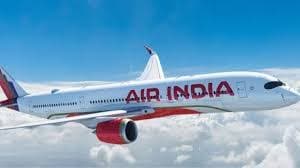
Boeing projects increased orders for the B787 Dreamliner in India even as tariff negotiations between New Delhi and Washington introduce short-term uncertainty. Company leadership in the region characterizes India as a high-growth market for long-haul connectivity, with the B787 positioned as a leading asset for expanding international routes and fleet modernization.
Key commercial signals
Salil Gupte, President of Boeing India and South Asia, noted confidence in the program’s regional prospects despite recent friction over tariffs. The company emphasizes a customer-centric approach and expects demand for long-range, fuel-efficient twin-aisle aircraft to rise as Indian carriers expand global networks.
Operational footprint and fleet composition
As of the current reporting, Air India operates a significant number of Dreamliners and has been integrating additional B787 aircraft into its schedule following privatization. IndiGo uses Dreamliners leased via Norse Atlantic Airways, and legacy B787 assets from Vistara have been consolidated under Air India as part of fleet rationalization. Other Indian operators that include Boeing types in their fleets are Air India Express, Akasa Air, and SpiceJet.
📚 You may also like
| Airline | Dreamliner presence / notes |
|---|---|
| Air India | 33 B787s (mix of B787-8 and B787-9; fleet expansion continuing) |
| IndiGo | Operates leased Dreamliners (leases from Norse Atlantic Airways) |
| Vistara | B787-9s previously operated; several assets transferred to Air India |
Safety, investigations and reputational context
Industry stakeholders have acknowledged that safety perceptions influence demand cycles. The fatal accident of an Air India-operated B787 (flight AI171) shortly after departure from Ahmedabad drew immediate regulatory and investigative attention. The Aircraft Accident Investigation Bureau (AAIB) opened a probe; OEMs, including Boeing, have limited public commentary while investigations proceed. Boeing emphasized empathy for victims’ families and reiterated that formal investigatory processes must run their course.
Regulatory and production challenges
Boeing has navigated several recent regulatory and quality-control issues globally, some of which touched the Dreamliner program. Despite episodic setbacks, company representatives highlight a resilient order book and continued interest from carriers seeking fuel efficiency and range advantages that support new long-haul missions.
Commercial supply chain: India’s role
India’s aerospace supply base remains strategically important for Boeing. The company reports more than 325 suppliers in the country and annual sourcing above USD 1.25 billion. Over 265 Boeing commercial and military aircraft are reported to be operating within India, underscoring deep industrial and aftermarket ties.
- Local sourcing: Indian suppliers contribute components and services across multiple Boeing platforms.
- Industrialisation goal: Both governments have signaled interest in expanding domestic aerospace manufacturing and maintenance capabilities.
- Aftermarket and MRO potential: Growth in long-haul flights increases demand for maintenance, repair, and overhaul capacity in-region.
Recent deliveries and competitive environment
Last-year deliveries for Boeing included a modest number of B787s—reported deliveries of 14 B787s—while Airbus remains an ever-present competitor in widebody markets. Boeing frames competition as constructive: aircraft are commercial tools enabling airlines to serve passenger demand and open new routes.
Historical perspective on the Dreamliner and market dynamics
The B787 program was launched with an emphasis on composite construction, improved fuel burn, and extended range to enable new long-haul non-stop markets. Since its entry into service, the Dreamliner has been adopted by carriers worldwide for point-to-point international expansion. The program has experienced technical and production hurdles over its lifecycle, from supply-chain complexity and battery certification issues in early years to periodic regulatory scrutiny. Nonetheless, its fuel-efficiency profile and passenger-amenity features have driven sustained commercial interest.
Evolution of India’s long-haul connectivity
India’s aviation market has shifted from point-to-hub to increasingly point-to-point models for specific international flows, favoring aircraft like the B787 that can economically open thinner long-haul routes. The consolidation of domestic carriers and fleet transitions post-privatization of national carriers are reshaping route networks and capacity deployment.
Outlook and implications for tourism and coastal destinations
Projected growth in Dreamliner deliveries and orders can materially affect inbound and outbound tourism by enabling more direct long-haul services. For coastal and island destinations, improved connectivity typically translates to increased visitor numbers, higher demand for marinas and waterfront amenities, and a rise in yachting and recreational boating activity—especially in well-served gulf and beach markets. Enhanced air links often support multi-modal trips where sea and land legs combine to form broader travel packages.
Short- to medium-term scenarios
Key factors that will determine the trajectory include:
- Resolution of tariff and trade issues between India and the US.
- Outcomes of the AAIB investigation and any subsequent regulatory actions.
- Airline fleet strategies and leasing market dynamics (including lessors like Norse Atlantic Airways).
Potential benefits for marine tourism infrastructure
As international seat capacity grows, ports and marinas near major airports may see ancillary demand: increased numbers of visitors seeking beach, lake, or coastal recreation, and interest in boating experiences in destination hubs. This can influence seasonal traffic, marina investments, and the economic viability of water-based activities in popular seaside corridors.
In summary, Boeing’s public position is that the B787 Dreamliner has a strong long-term role in India’s expanding aviation market despite short-term tariff tensions and the operational scrutiny following the AI171 accident. Fleet numbers, local supplier engagement, and ongoing delivery schedules suggest that airlines view the B787 as a key platform for future route development. While regulatory processes continue, the commercial fundamentals for long-range, fuel-efficient aircraft in India remain intact, with knock-on effects for tourism flows, coastal destinations, marinas, and recreational boating demand.
GetBoat.com is always keeping an eye on the latest tourism news and developments. The takeaway: rising B787 capacity and evolving airline networks can boost accessibility to beaches, coastal destinations and lakeside resorts—factors that influence broader leisure trends including yacht and boat activity, marina demand, and sea- and gulf-based tourism opportunities.