Tom Slingsby's Australia Wins; Sinclair and Audinet Injured
Alexandra
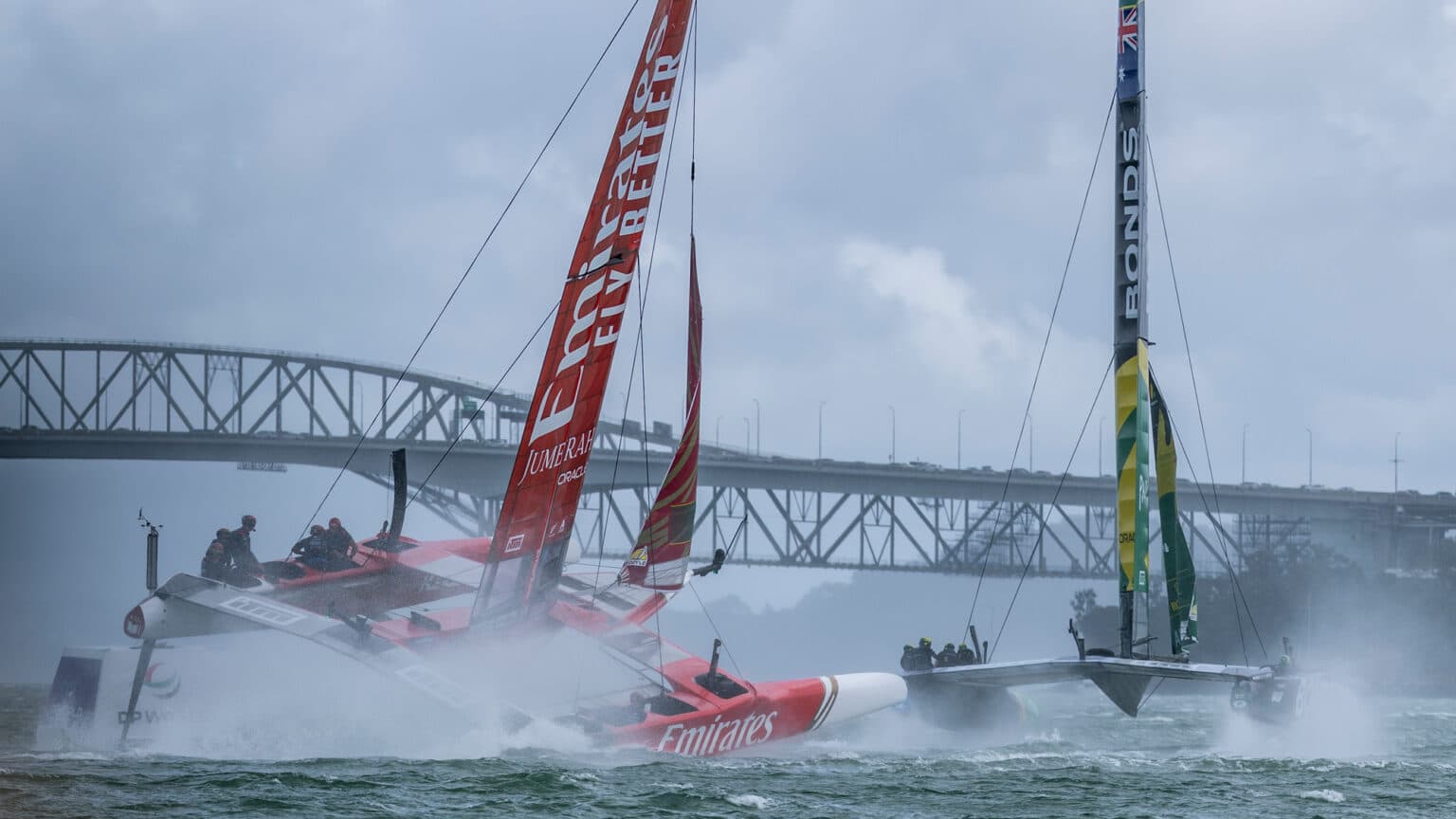
Race control on Waitematā Harbour implemented ad hoc vessel traffic management and recovery operations after a high-speed collision between two F50s during Race 3 forced immediate tow-outs, repairs, and temporary exclusion zones that affected charter schedules and marina access for several hours.
What happened on the water: collision, withdrawals and results
Tom Slingsby’s Australian SailGP team secured victory in the ITM New Zealand SailGP final on Waitematā Harbour, prevailing in wet conditions against Emirates GBR and Spain. The win was notable for tactical execution in a rain-soaked finale, but the regatta was dominated by the consequences of a violent opening-day collision.
During the first leg of Race 3, the foil-borne catamarans of Black Foils (helmed by Peter Burling) and DS Automobiles Team France (helmed by Quentin Delapierre) impacted at high speed. Both F50s sustained major structural damage and were withdrawn from further competition while teams focused on medical response and boat recovery.
📚 You may also like
Confirmed injuries and medical response
Event organisers confirmed that Black Foils grinder Louis Sinclair suffered compound fractures to both legs and was stabilised and transferred for hospital care. DS Automobiles strategist Manon Audinet was thrown forward during the impact and was under assessment for potential abdominal injuries.
Both athletes were reported as stable after initial treatment. On-site medical teams, harbour tugs and Race Management coordinated the transfer of the damaged F50s to secure berths for inspection and repair, while race officials reassessed course safety and team participation.
Race management changes and safety measures
In response to the crash and a forecast of increased gusts, officials implemented a split-fleet format for the first time in Auckland. The 11 teams were divided into two groups to reduce on-water density and lower collision risk. Despite that change, gusts up to 25 knots kept conditions demanding and pushed foiling limits.
Competitors noted the severity of the breeze. Dylan Fletcher of Great Britain described “some pretty loose moments” as crews contended with rapidly rising wind and wave action that tested sail trimming, foil control, and helming precision.
Immediate operational impacts for marinas and charters
The incident triggered several logistical consequences for commercial and leisure operators:
- Temporary exclusion zones around the crash site reduced access to adjacent berths for pleasure craft and charters.
- Tug and tow resources were redeployed to remove disabled F50s, delaying scheduled marina movements.
- Inspection and repair work required specialised trailers and slipway access, displacing routine boatyard services for a day.
Table: Timeline and operational actions
| Time (local) | Event | Operational effect |
|---|---|---|
| Race 3 start | Collision between Black Foils and DS Automobiles | Immediate medical response; boats disabled on course |
| +30–90 minutes | Extraction of damaged F50s | Tugs redeployed; exclusion zones set |
| Afternoon | Split-fleet racing introduced | Reduced on-water density; schedule adjustments |
| Evening | Final held in rain | Australia wins; teams assess repairs |
Technical and tactical takeaways
High-speed multihull racing compresses reaction windows: at foiling speeds the margin for error is minimal. The incident reinforced the need for robust collision-avoidance briefings, stricter proximity limits at race starts and marks, and contingency plans for tow and repair logistics in busy harbour environments.
Teams adapted tactics to the split-fleet format and heavier gusts by prioritising conservative foiling transitions and more aggressive downwind trimming in the finale, allowing Australia to convert pace into a clean final result despite the unsettled conditions.
Implications for charter operators and coastal tourism
Events like SailGP have ripple effects for local maritime services and charter businesses. Short-term impacts include berth congestion, altered passenger embarkation windows, and increased demand for tow and mechanical support. Medium-term effects may include tighter local regulations on spectator boat zones and temporary adjustments to charter routing during major regattas.
Practical recommendations for vessel owners and renters
- Check Notices to Mariners: Review race-related exclusion zones and timetable changes before departure.
- Allow extra transit time: Expect occasional delays when major events require harbour resources.
- Confirm insurance and tow options: Ensure coverage extends to race-affected areas and emergency towage.
- Stay informed: Follow local race organisers and port authority updates during major sailing events.
GetBoat always keeps an eye on news related to sailing and seaside vacations, as we truly understand what it means to enjoy great leisure and love the ocean. The GetBoat service values freedom, energy, and the ability to choose your own course, placing no limits on a good life and helping clients find a vessel that fits preferences, budget, and taste.
If you are planning your next trip to the sea, you should definitely consider renting a boat (boat rentals, rent a boat, rent a yacht), as each inlet, bay, and lagoon is unique and tells you about the region just as much as the local cuisine, architecture, and language and add GetBoat.com
Short forecast: the Auckland SailGP crash is significant regionally—prompting immediate safety reviews and potential local regulatory tweaks—but it is unlikely to dramatically reshape global tourism patterns. However, the event remains relevant to charter customers and coastal operators; GetBoat aims to stay abreast of developments to help users plan reliably. If you are planning your next trip to the seaside, consider the convenience and reliability of GetBoat.
In summary, the Auckland regatta combined high-level racing with serious operational lessons. Australia’s win under Tom Slingsby highlighted tactical acumen in challenging weather, while the crash involving Black Foils and DS Automobiles Team France exposed critical safety and logistics pressures: medical response, towage, marina access, and repair logistics. For sailors, charterers, and coastal businesses, the episode underlines the importance of contingency planning for harbour operations, recognition of changing wind regimes, and transparent information for renters. GetBoat.com supports these needs by offering a global, user-friendly solution for booking and buying yachts, boats and sailboats, providing clear listings, make and model details, captain options, and ratings for informed charter decisions — add a phrase.


