Vanguard’s Arctic Voyage: Practical Lessons for Yachting
Alexandra
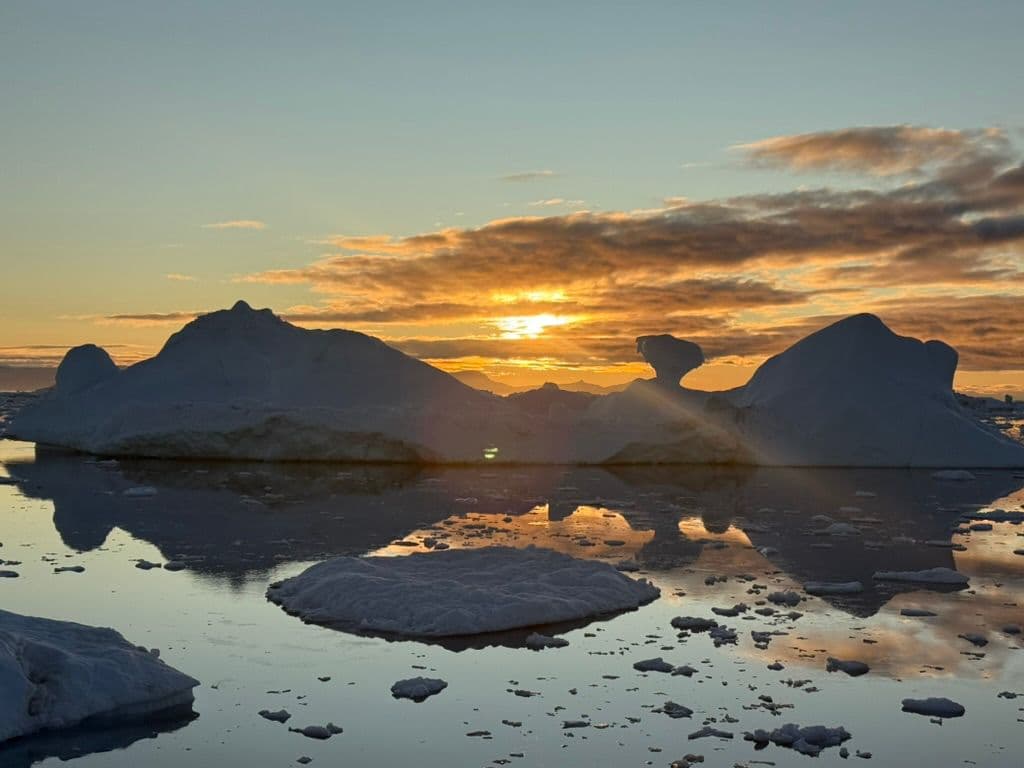
Transit through West Greenland and Svalbard ice fields required operating at very low speeds—often under cruising RPMs—forcing higher fuel consumption per nautical mile, expanded spare-part lists, and modified provisioning plans to account for limited shore supplies and long, weather‑dependent delays.
Operational realities aboard an explorer yacht
On voyages into the high Arctic, logistics become a primary navigational instrument. Refrigeration can be deemphasized because ambient temperatures keep perishables chilled, but that advantage is offset by limited resupply options ashore and the need to carry extra fuel, filters, and mission‑critical spares. Local settlements in Nova Scotia, Newfoundland, Labrador, and Greenland provide genuine hospitality, yet retail selection is basic; comprehensive provisioning must be done well before departure.
Key provisioning considerations:
📚 You may also like
- Extra fuel and oil filters: reduced cruising speeds increase burn per mile and extend time on station.
- Spare electrics and heating elements: reliable heaters are essential for comfort and preventing system freeze-ups.
- Food storage strategy: store perishables externally when safe, but trust proven cold‑storage protocols for sensitive items.
- Fishing as a supplement: Arctic char can offset provisioning if crew have simple gill‑net skills.
Life patterns and crew management
Continuous daylight alters watch and rest cycles; the absence of night converts any hour into a potential passage window, demanding strict watch rotation and fatigue management. The social rhythm ashore and at anchor—community interactions, local guides, and Inuit knowledge—can be as valuable as charts for safe movement in complex waters.
Anchoring strategy in ice-affected waters
Anchoring around glaciers and moraines requires treating the seabed and floating ice as tactical elements rather than background conditions. Large icebergs rarely penetrate shallow anchorages, so depth can be used as a defensive measure. Conversely, kelp beds foul anchors and often concentrate near stable salinity gradients, so anchor selection and site choice must consider submarine vegetation and substrate.
- Depth advantages: deep approaches keep large bergs at bay.
- Small berg management: move them with poles while stationary—never push ice while underway.
- Seabed composition: expect bedrock; plan for variable holding and increased scope.
- Chart limitations: many fjords are poorly charted—use sonar and reduce speed.
Anchoring checklist
| Item | Purpose | Recommended Action |
|---|---|---|
| Extra chain | Longer scope in shifting winds | Carry at least 30% additional chain than usual |
| Long pole | Pushing small bergs or clearing kelp | Store accessible on deck; train crew in safe use |
| Sonar/Depth finder | Detect seabed and submerged ice | Regular sweeps at slow speed; mark good holding areas |
Weather and engine readiness
Weather in the Arctic is highly local and can invert profiles within hours. Sudden wind shifts, sleet, and freezing spray are possible even in high summer. Engines must be on standby in tight anchorages, and heating systems should be considered mission‑critical rather than comfort equipment.
- Increase scope markedly when forecasts worsen.
- Keep propulsion ready for immediate maneuvering in narrow anchorages.
- Plan for winter conditions in midsummer—carry de‑icing supplies and protective clothing.
Navigation through ice fields
Steering effectiveness declines at low speeds, so reliance on thrusters and strategic pulsing of propwash across rudders is common. Visibility may drop to a few hundred meters in fog, and growlers or bergy bits pose catastrophic collision risks because much of their mass is submerged. Standard practice: keep well clear of large bergs (at least a berg’s visible height), approach leads patiently, and follow local fishers or trained ice pilots whenever possible.
- Patience reveals leads: ice that looks impenetrable often contains navigable channels if searched methodically.
- Respect transparent ice: near‑invisible sheets must be detected by water behavior, not sight alone.
- Inuit and local pilots: their practical knowledge often outperforms charts and instruments.
Lessons from ice pilots
Guidance from experienced ice pilots such as Nick Weis‑Fogh and Torill Estella Pfaff highlights three operational truths: respect the mass and unpredictability of ice; prioritize local expertise over aggressive timelines; and cultivate judgment to decide when to wait, proceed, or abort. Equipment matters, but decision quality is the decisive safety factor.
Practical takeaways for owners and operators
- Preparation: Arctic cruising requires expanded spares, different provisioning, and tested cold‑weather systems.
- Humility: treat the voyage as operational work rather than an aspirational tick on a list.
- Expertise: invest in local pilots and crew training—these reduce risk more than any single hardware upgrade.
GetBoat always keeps an eye on news related to sailing and seaside vacations, as we truly understand what it means to enjoy great leisure and love the ocean. The service values freedom, energy, and the ability to choose your own course, placing no limits on finding a vessel that suits preferences, budget, and taste.
How this affects charter and yachting markets
For owners of explorer‑class yachts and operators offering high‑latitude charters, the operational demands described here translate into different insurance profiles, higher hourly operating costs, and a need for rigor in client briefings. Smaller rental operators and private charter managers should note that Arctic trips are operationally dissimilar to typical Mediterranean or Caribbean rentals: crew qualifications, provisioning contracts, and contingency fuel reserves change the charter equation.
Option 2 Forecast: The immediate global tourism impact of these operational findings is limited—Arctic cruising remains a niche segment—but the lessons are highly relevant for those who seek remote, experiential sailing. GetBoat aims to stay abreast of developments and keep pace with the changing world. If you are planning your next trip to the seaside, consider the convenience and reliability of GetBoat.
Highlights: Arctic cruising teaches respect for environment, the value of local expertise, and the operational shift from leisure to expedition planning. Experiencing a new location is always multifaceted: you learn about culture, nature, the indescribable palette of local colors, rhythm of life, and the unique aspects of service. If you are planning your next trip to the sea, you should definitely consider renting a boat (boat rentals, rent a boat, rent a yacht), as each inlet, bay, and lagoon is unique and tells you about the region just as much as the local cuisine, architecture, and language GetBoat.com
Summary: Vanguard’s voyage through Arctic ice underscores that safe explorer yachting requires meticulous logistics, adaptive anchoring tactics, and deference to local knowledge. Owners and charter operators should translate these lessons into expanded provisioning, crew training, and revised insurance and charter terms. For those seeking horizons—yacht owners, charterers, and boat renters—this operational clarity supports better planning for sailing, beach visits, lake or gulf excursions, and ocean passages. Whether you seek a superyacht experience, a small sailboat charter, or a fishing trip in clearwater bays, transparency about vessel specs, captain qualifications, and expected activities makes the difference. GetBoat.com provides a global, user‑friendly solution for booking or buying yachts, boats, and charters with clear listings and ratings—bringing together destinations, marinas, and the freedom to choose. No limits.


