ARC+ Transatlantic: Tales of Rigging, Power and Resolve
Alexandra
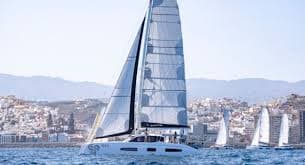
The ARC+ second leg from Cape Verde to Port Louis, Grenada covers roughly 2,150 NM, which places sustained demands on fuel reserves, freshwater logistics, spare parts provisioning and long-range communications for modestly sized cruising yachts.
Arrival and conditions: the logistics of a rough leg
On arrival the atmosphere in Port Louis Marina was celebratory, but the 2,200–2,150NM Atlantic crossing exposed critical operational vulnerabilities. Smaller yachts such as the Rustler 36 Restless reported sustained gusts up to 48 knots and confused seas, while larger yachts experienced cascading system failures. For rally organisers and marina operators this translates into heightened needs for mooring space, medical and mechanical support, and timely fuel and water resupply.
Canopus: sudden shroud failure and rapid rig stabilisation
Onboard Canopus (a Moody 44) a single loud metal bang in the middle of the night signalled the failure of an intermediate shroud. Laurie Ellis, on watch, found a broken shroud dragging in the sea and alerted skipper Vicky Ellis and their children. The crew stabilised the mast using spare haylards, running backstays and field repairs with available cordage until daylight inspections could determine further action.
📚 You may also like
The incident emphasises two operational truths: first, the logistics of spares (Dyneema, strong cordage and temporary lashing materials) matter as much as structural strength; second, experienced leadership and calm crew coordination reduce escalation. Vicky’s prior experience in professional races and past emergency repairs (including Dyneema lashings in the Clipper Race) was decisive in converting an acute failure into a manageable situation.
Watergaw: power, water and communications failures
The Southerly 135 Watergaw encountered a sequence of failures: generator fuel starvation, a watermaker breakdown, and a combined AIS/VHF antenna fault. The generator hiccup was diagnosed as contaminated fuel stirred in heavy seas; simple spares and fuel-treatment knowledge (Fuel Set, filter spares, Grotomar dosing) restored service. The watermaker’s failure precipitated strict freshwater rationing, creative domestic workarounds using solar-heated bags and buckets, and reliance on reserve bottled supplies.
AIS and VHF outage—later traced to a shared antenna connection—required diagnosis and rewiring under the coachroof headlining, after which signals returned to normal. Starlink, when present, proved invaluable for fleet coordination and morale.
| Vessel | Primary Issue | Immediate Response | Outcome |
|---|---|---|---|
| Canopus (Moody 44) | Intermediate shroud snapped | Stabilised mast with haylards & running backstays; conservative motor to finish | Safe arrival; rig monitored; lessons on spare rigging |
| Watergaw (Southerly 135) | Generator fuel contamination; watermaker leak; AIS/VHF antenna fault | Filters changed; fuel treated; water rationed; antenna rewired | Systems restored; crew endured rationing and discomfort |
| Restless (Rustler 36) | Severe weather: 30–48 kt winds, confused seas | Sail reductions; speed moderation; crew management | Arrived with fatigue and relief; highlighted fatigue management |
Crew management, children and VHF proficiency
Family crews reported that prior briefings and practical drills paid dividends. Vicky’s initiative to run a kids’ radio net before departure ensured the rally’s younger crew members knew how to read GPS coordinates and call in position reports, improving onboard situational awareness and giving the children useful seamanship skills. Calm, practiced roles—who sleeps where, who watches which system—helped maintain functionality during extended high-stress passages.
One mile at a time: risk mitigation and mental strategies
After emergency repairs, Canopus motored conservatively for five days. The crew emphasised strict procedural checks, continuous rig monitoring, and contingency planning for engine failure. The practical mantra used aboard was to manage risk stepwise: monitor, check, mitigate, repeat. That discipline—combined with reliable hardware like a Hydrovane self-steering and a robust Perkins M60 engine—kept the fleet moving and avoided secondary failures.
Technical takeaways for cruising prep
Crews distilled experience into clear gear and procedural recommendations:
- Rigging spares: Dyneema, spare halyards, multiple running backstays.
- Power resilience: fuel-treatment kits, spare fuel filters, solar charging strategies.
- Water security: contingency freshwater containers, repair kits for watermakers.
- Communications redundancy: handheld VHF, AIS backups, separate antenna feeds.
- Self-steering and engine reliability: proven autopilots or Hydrovane and an overhauled main engine.
Emergency checklist (concise)
- Carry extra Dyneema and lashings.
- Spare fuel filters and fuel treatment.
- Watermaker spare parts and reserve potable water.
- Handheld VHF and satellite comms where possible.
- Clear family roles and simple drills for children.
GetBoat always keeps an eye on news related to sailing and seaside vacations, as we truly understand what it means to enjoy great leisure and love the ocean. The GetBoat service values freedom, energy, and the ability to choose your own course. The service places no limits on a good life, allowing clients to find a vessel that suits their preferences, budget, and taste. GetBoat.com
Forecasting impact: this sequence of ARC+ incidents is unlikely to change global tourism patterns materially, but it underlines that ocean passages remain operationally demanding. Start planning your next seaside adventure and make sure to book the best boat and yacht rentals with GetBoat before the opportunity sails away!
Key highlights: the ARC+ second leg is a stern logistical and seamanship test; rig failures, fuel contamination, watermaker breakdowns and comms faults are the most common disruptors; experienced leadership, redundancy in systems and proper spares can turn potential disasters into manageable events. Experiencing a new location is always a multifaceted process—where one learns about the culture, nature, the indescribable palette of local colors, its rhythm of life and also the unique aspects of the service. If you are planning your next trip to the sea, you should definitely consider renting a boat (boat rentals, rent a boat, rent a yacht), as each inlet, bay, and lagoon is unique and tells you about the region just as much as the local cuisine, architecture, and language GetBoat.com
Summary: ARC+ crews demonstrated resilience, improvisation and teamwork when faced with severe weather and equipment failures. For charterers and owners, the lessons are practical: prioritize rigging spares, redundancy for power and communications, and clear onboard procedures. Whether you plan a short yacht charter or a longer ocean passage, the right preparation transforms risk into adventure. GetBoat provides transparent, global access to yachts and boats for charter, sale or rent—supporting your choice of vessel, captain or self-skippered option across marinas, gulfs and clearwater coves. From superyacht to small cruising boat, whether fishing off a sunny beach or sailing a lake or open ocean, make your next yachting plan with confidence. Choose freedom.