Crossing the Atlantic: ARC+ 2026 Rally Highlights
Alexandra
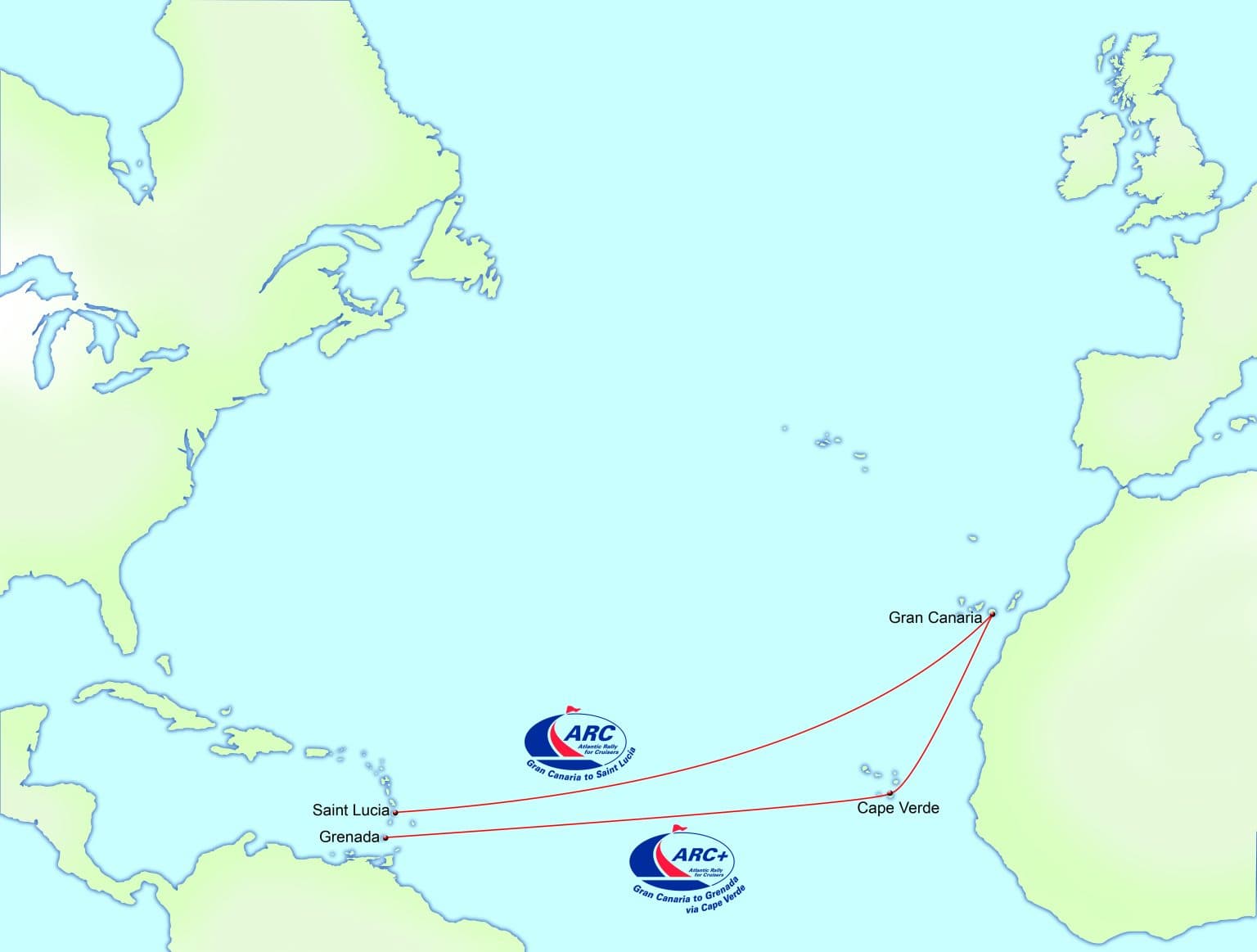
The ARC+ 2025 fleet departed Las Palmas on 9 November 2025, with the route staged as a 900 nm first leg to Mindelo, São Vicente (Cape Verde), followed by a 2,200 nm ocean crossing to St. George, Grenada; average trade-wind conditions produced sustained wind windows of 12–25 knots and boat speeds varying from 5 to 12 knots depending on sail plan and sea state.
Race logistics and fleet composition
The Atlantic Rally for Cruisers' sister event, ARC+, is organized by the World Cruising Club and in 2025 again attracted a large and diverse fleet. Boats ranged from modern catamarans to monohulls and multihulls, with the start sequence and skipper briefings centralized at Las Palmas marina. Crews used a combination of AIS, VHF communications and satcom messaging to coordinate arrivals and safety checks at the Cape Verde stopover.
Typical itinerary and scheduling
A standard ARC+ schedule follows two main legs with a mandatory stopover in Mindelo to allow late arrivals and reprovisioning:
📚 You may also like
| Leg | Route | Distance (nm) | Typical wind | Common sails used |
|---|---|---|---|---|
| Leg 1 | Las Palmas → Mindelo (São Vicente) | ~900 | 15–25 kt, NW turning W | Reefed main, genoa |
| Leg 2 | Mindelo → St. George, Grenada | ~2,200 | 12–20 kt trade winds, squalls mid-ocean | Parasailor, code zero, reefing as needed |
Onboard dynamics: crew, vessel and preparation
Crews often assemble through social platforms and crew-matching services. One typical ARC+ catamaran example was the brand-new Excess 11m catamaran Kasafari, crewed by owners Robin and Carolina with additional sailors from the United States, Australia, the Philippines and the United Kingdom. Onboard responsibilities followed a watch system: navigation and helm shifts, daily maintenance, cooking and routine safety checks were rotated to preserve energy and readiness for squalls and sail changes.
Pre-departure checklist
- Complete skippers’ briefing; file float plan and VHF channels.
- Victual provision for a contingency of extra days and for varying crew diets.
- Inspect rigging, check spare parts, and verify emergency communication gear.
- Practice sail handling and reefing under load before ocean departure.
Sailing conditions and tactical decisions
The first leg from Las Palmas showed lively conditions: an initial broad reach with winds up to 25 knots required reefing the main for the night, then calmer patches demanded motoring. A key tactical decision on the long crossing was to steer slightly south early to avoid predicted wind holes, enabling continuous sailing without extended motoring. Sail selection shifted between parasailor downwind work and conservative reefed configurations when squalls and gust fronts developed.
Weather patterns and performance
Trade winds dominated the second leg, but mid-Atlantic squalls produced heavy rain, gusts and larger seas; where wind increased to 18–25 knots the vessel benefited from surfing down waves and increased VMG toward Grenada. Experimentation with sail angles, code sail transitions and partial reefing were essential to balance speed and course accuracy.
Highlights ashore and island stops
Mindelo (São Vicente) served as valuable time for rigging inspections and shore leave. Many crews took a guided tour to São Antão’s verdant interior, experiencing the islands' sugar-cane and banana terraces. Shore events organized by the World Cruising Club—briefings, safety workshops and social gatherings—helped crew integration and allowed last-minute provisioning before the transatlantic leg.
Onboard life: food, wildlife and camaraderie
Periods of light wind allowed swimming, fishing and encounters with marine life; several crews reported catching Mahi Mahi to be filleted and cooked onboard. Social events—costume parties, sundowners on floating bars and welcoming rum punches at Port Louis Marina—created strong bonds across multinational crews and amplified the rally’s social remit.
Lessons learned: practical takeaways for rally sailors
- Allow time to break in a new boat before a long crossing; sea trials reveal teething problems.
- Plan flexible routing strategies to exploit wind windows and avoid heavy motoring.
- Rotate duties to prevent fatigue; establish clear communication and role definitions early.
- Prepare for squalls: rig storm sails, keep sails ready for quick reefing.
Why the ARC+ matters for coastal and charter markets
Rallies like ARC+ influence charter demand by showcasing long-range cruising capabilities of modern catamarans and monohulls. Developments in safety protocol, gear standards and crew training filter down to charter fleets, improving the rental experience for leisure sailors and encouraging owners to upgrade equipment—a positive signal for marinas, provisioning services and regional tourism economies.
GetBoat always keeps an eye on developments that shape seaside vacations and sailing culture, because we truly understand what it means to enjoy great leisure and love the ocean. The service values freedom, energy, and the ability to choose your own course, placing no limits on a good life and helping clients find a vessel that fits their preferences, budget and taste.
Highlights from ARC+ 2025 emphasize the human and technical sides of offshore cruising: multinational crews, the need for pre-departure shakedowns on new boats like Kasafari, and the tactical navigation choices that turn weather forecasts into successful passages. Experiencing a new location is always multifaceted—one learns about the culture, nature, the indescribable palette of local colors, its rhythm of life and also the unique aspects of the service. If you are planning your next trip to the sea, you should definitely consider renting a boat (boat rentals, rent a boat, rent a yacht), as each inlet, bay, and lagoon is unique and tells you about the region just as much as the local cuisine, architecture, and language GetBoat.com
Forecast: while ARC+ 2025 is unlikely to shift the global tourism map on its own, it reinforces trends that matter to international yachting and charter markets—greater interest in ocean passages, demand for well-equipped charter platforms, and sustained activity in marinas and island destinations. Start planning your next seaside adventure and make sure to book the best boat and yacht rentals with GetBoat before the opportunity sails away!
Summary: ARC+ 2025 demonstrated pragmatic ocean passage planning, strong community support from the World Cruising Club, and the real-world learning curve of sailing new boats across thousands of miles. From tactical sail changes to celebratory arrivals at Port Louis Marina, the rally underlined how yacht design, crew preparation, and local island stops combine to create unforgettable sailing experiences. Whether your next trip is a short charter or a cross-ocean rally, platforms that offer transparent details about make, model and ratings make it easier to choose the right vessel—be it a chartered yacht, a private boat sale, or a superyacht hire. Enjoy the voyage.


