Gary Jobson’s Sonar: Lessons from Annapolis Frostbite
Alexandra
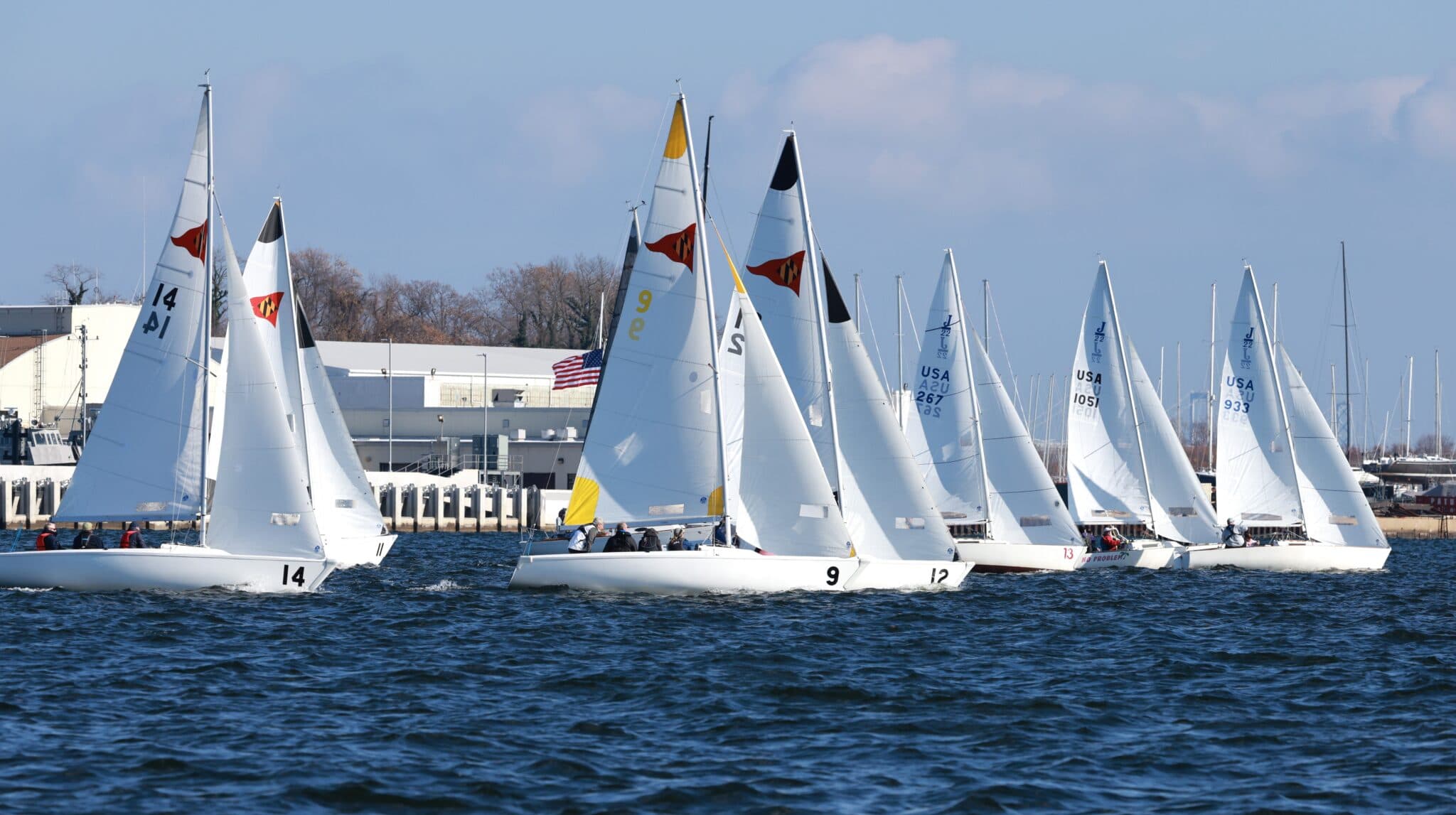
Annapolis Yacht Club’s Frostbite Racing runs eight Sunday afternoons from early November through late December with two races per day; the 2025 series logged 118 entries across mixed and one-design fleets, with the Sonar and J/22 fleets sharing starts but scored separately, and race rules mandating at least three crew per boat and no spinnakers.
From slow starts to steady gains: the logistics that matter
Gary Jobson chartered a Sonar for the series and faced the classic winter-racing logistics: no course charts on deck, no charged VHF radio, and inadequate clothing. Those are the little operational failures that turn tactical errors into disasters. Fixing logistics first—having the Sailing Instructions, course diagrams, and functioning comms—proved to be the quickest way to regain control of race performance.
Immediate practical fixes
Within a week the crew implemented a simple operational kit: a spiral-bound notebook of Sailing Instructions, color copies of the 12 optional racecourses, a charged VHF, and a checklist for cold-weather gear. The change was almost immediate. Hands that stopped stinging after adding fleece-lined gloves meant clearer thinking at the tiller—because comfort equals focus. Slow and steady wins the race, as they say.
📚 You may also like
Gear checklist (onboard essentials)
| Item | Purpose |
|---|---|
| VHF radio | Hear RC announcements and course changes |
| Course charts | Prevent embarrassing asks for the course |
| Fleece-lined gloves & wool hat | Warmth for clear thinking and steady hands |
| Preset outhaul/downhaul/halyard | Faster exits from mark roundings |
| Lifejackets and proper foul weather gear | Safety and sustained performance |
Starting, reaching, and the art of not fighting
Starts were the initial trouble spot: the Sonar crew rounded the first mark near the back in early races. The correction wasn’t magic—it was discipline. The skipper revisited starting techniques, committed to either a timed run or a port approach, and visualized the sequence nightly. Improvements followed. In reaching starts, patience trumped aggression: avoid one-on-one luffing matches, stay close to the leader, and sail from puff to puff until the windward leg sorts itself out.
- Start technique: timed or port approach—pick one and commit.
- Reach tactics: avoid pinching; sail straight and fast.
- Wind shifts: wait for the windward leg to offer opportunities.
Crew roles and communication
Doing everything at the helm was a rookie move. Transferring mainsail trimming to a dedicated crew member freed the helmsman to steer with intent. One crew watched for wind and other boats, another handled the jib trim, and the skipper called maneuvers aloud so everyone knew what to expect. Clear, simple commands cut reaction time and errors—preset controls before a rounding made exits cleaner and kept the sails optimized for the next leg.
Mark-rounding discipline
Every rounding was judged by whether the boat exited into clear wind. If blanketed, wait for a lane before tacking; extra tacks on short courses hand distance to the leaders. Minimizing unnecessary jibes on downwind legs yielded steady gains—three race days saw substantial movement up the fleet when the crew focused on clear air and fewer maneuvers.
How these lessons apply to chartering and boat rentals
Chartering a boat—even a Sonar through a platform like GetBoat.com—carries similar responsibilities. Before casting off check the gear list: lifejackets, working comms, course information, and cold-weather clothing if racing a shoulder-season series. If renting a boat for a charter or training session, consider hiring a local captain for the first outing to get the lay of the marinas, wind patterns, and local race logistics—lessons learned fast save time and money.
- Confirm required crew numbers and equipment with the hosting club.
- Bring your own communication and charting materials.
- Assign sails and helm duties before the start.
Across five Sundays of racing (10 completed races, three canceled due to wind or gales) the Sonar crew climbed from weak starts to consistent podium finishes, ending second overall by a single point. The tangible takeaway: identify weaknesses early—gear, starts, crew roles—and convert them into strengths. Don’t put the cart before the horse; get your logistics right first.
In summary, attention to operational details (charged VHF radio, course charts, warm clothing), disciplined starting and reach tactics, clear crew roles, and preset sail controls turned a slow-opening Sonar campaign at Annapolis Yacht Club into a near-win. These lessons translate directly to yacht and boat chartering, marina operations, and day-sailing: whether you’re booking a charter, hiring a captain, renting a boat at the beach or lake, or prepping a crew for yachting activities, focus on gear, communication, and crew coordination to improve performance on the sea, ocean, or gulf. Yacht, charter, boat, beach, rent, lake, sailing, captain, sale, Destinations, superyacht, activities, yachting, sea, ocean, boating, gulf, water, sunseeker, marinas, clearwater, fishing.


