Salt Island: Diving, Anchoring and Island History
Alexandra
Anchorage and Mooring Logistics off Salt Island
Anchorage depths in South Bay typically range from 30 to 50 feet, with substantial coral beds that require careful selection of sandy patches before dropping anchor. The site of the RMS Rhone is marked by a cluster of national park moorings; some are sized for small dive vessels rather than yachts, so captains must judge swing radius and neighbor proximity when tying up.
Practical guidance for skippers
When approaching Salt Island from the Sir Francis Drake Channel, monitor wind direction and reef contours. If your vessel exceeds 60 feet or moorings are occupied, anchor off the settlement and use a dinghy to access the wreck and shore. At the Rhone site, locate the dinghy mooring (two blue balls with a line) and tie in before entering the water.
Safety checklist before anchoring
- Confirm depth and sandy patches visually or by sounder before committing anchor.
- Carry adequate scope for 30–50 ft depths and check for coral heads.
- Keep a watch for adjacent dive boats and persistent mooring lines.
- Respect Rhone National Park regulations—no anchoring or fishing inside park boundaries.
RMS Rhone: The Wreck and Its Appeal
The RMS Rhone sank during a hurricane on October 29, 1867, with the loss of 123 lives. Its remains lie just west of a large black rock that juts from the shoreline, making it one of the Caribbean’s most celebrated wreck dives and a consistent top-ten global wreck site.
📚 You may also like
For charterers and dive operators, the Rhone offers both historical intrigue and accessible depths for recreational diving. Mooring balls concentrate near the wreck, and snorkelers from nearby yachts can often spot large schools and structural features from the surface before descending.
Island Features: Salt Ponds, Ballast Stones, and Glass
Salt Island retains two large natural salt ponds that fill with seawater and evaporate seasonally, leaving crusted edges that were historically harvested for preservation. Before refrigeration, small trading boats would come ashore to stock up on salt for curing fish and meat—an early maritime supply-chain exchange point.
| Feature | Notes |
|---|---|
| Salt ponds | Seasonal evaporation; historically harvested for trade |
| Ballast stones | Hundreds of round river rocks from old sailing ships visible under water |
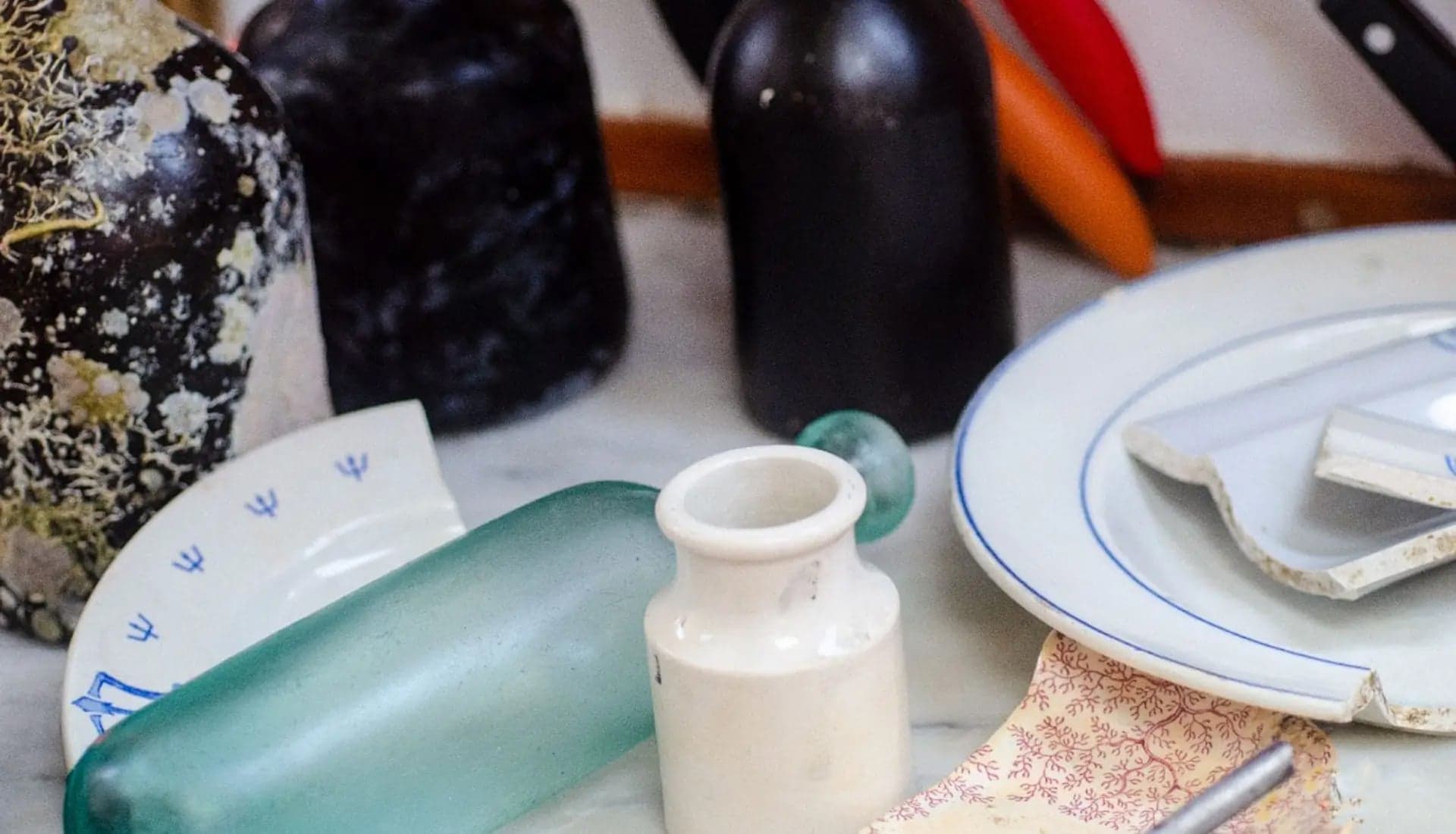
| Historic glass | Bottles dating to the 1600s occasionally surface with anchors |
| Protected area | Rhone National Park—anchoring and fishing restricted |
Ballast stones—round river rocks dumped from sailing ships—lie on the seafloor around the old jetty and are often the first clue to locating wreck sites. Similarly, shards of old glass and whole bottles from centuries past remain embedded in sand beds, sometimes recovered when anchors drag or are reset.
Marine life and snorkel highlights
- Caribbean reef squid often hover near the reef edge.
- Southern stingrays, green turtles, jacks, goatfish, barracuda, and riotous reef fish populate the shallow shelves.
- Octopus activity can be detected by small shell piles and a telltale eye watching from rock crevices.
Manhead Point and South Bay Landscapes
Manhead Point projects east of the shore and, depending on viewpoint, is likened to a sphinx or a silverback gorilla. It’s a favorite subject for photographers and is best explored by dinghy to appreciate shifting profiles and the shoreline reefs. The beach between the settlement and the point provides calm snorkeling and is where many victims of the RMS Rhone were found.
South Bay features coral rubble beaches—pieces the size of footballs—and requires careful footing. The bay can be an agreeable anchorage during Christmas winds when the sun allows locating sandy anchorages; however, it is not ideal in strong easterly or south-easterly conditions.
Human History: Residents, Traditions and Memory
Salt Island’s small settlement, privately owned, shows both damage from the 2017 hurricanes and the persistence of island life. Notable residents include Clementine Helena Leonard Smith (born May 9, 1911; died May 14, 2002), who tended the burying ground of the Rhone victims and preserved local memory. She received the British Empire Medal in 1985 and local recognition in 1996.
Norwell Durant continued the island’s salt-collection tradition until he left around 2004; no permanent residents live on Salt Island today, though the buildings and history remain a draw for visitors arriving by yacht or charter boat.
Material culture and livelihood
Concrete charcoal-bunkers once used to produce fuel—and later sold to St Thomas—dot the island. The charcoal process involved smoldering wood in closed steel doors to create usable cooking fuel, a small-scale industry reflective of inter-island commerce and resourcefulness.
Planning a Visit: Diving, Day Charters and Rentals
For sailors and vacationers planning a day on Salt Island, preparation matters: secure proper moorings, respect the Rhone National Park rules, and choose a charter or rental boat with experienced crew if unfamiliar with local reefs. Diving shops and liveaboard charters that include a professional captain and guide maximize safety and interpretive value for visitors.
GetBoat always keeps an eye on news related to sailing and seaside vacations, as we truly understand what it means to enjoy great leisure and love the ocean. The service values freedom, energy, and the ability to choose your own course, placing no limits on a good life and helping clients find vessels that suit their preferences, budget, and taste.
Highlights and Cultural Notes
Salt Island’s story combines natural beauty, maritime archaeology, and island resilience. Highlights include the iconic RMS Rhone wreck, the salt ponds, historic ballast stones and bottles, the photogenic Manhead Point, and abundant snorkeling life. Experiencing a new location is always a multifaceted process: one learns about the culture, nature, the indescribable palette of local colors, its rhythm of life and also the unique aspects of the service. If you are planning your next trip to the sea, you should definitely consider renting a boat (boat rentals, rent a boat, rent a yacht), as each inlet, bay, and lagoon is unique and tells you about the region just as much as the local cuisine, architecture, and language GetBoat.com
Forecast and Call to Action
Regionally, Salt Island remains a meaningful draw for Caribbean dive tourism and day-charter itineraries; globally, its effect on the tourism map is modest but notable among wreck-diving communities. Start planning your next seaside adventure and make sure to book the best boat and yacht rentals with GetBoat before the opportunity sails away!
Summary and Takeaway
Salt Island combines navigational considerations—anchoring depths of 30–50 ft, concentrated moorings, and reef hazards—with exceptional dive and snorkeling value centered on the RMS Rhone. The island’s salt ponds, ballast stones, and historic glass tell a layered maritime story that complements modern yachting and charter activity. Whether you’re booking a yacht charter, searching for a captain, or planning a day sail from local marinas, preparing for reef conditions and respecting park protections is essential. GetBoat.com supports unforgettable seaside Destinations by offering transparent listings for yacht and boat charter, sale and rent options across marinas worldwide—helping you choose the right vessel for fishing, diving, or leisurely cruising in clearwater bays like Salt Island. Sail with confidence.


