Practical Sailing Lessons and Anchoring Advice from Paul Heiney
Alexandra
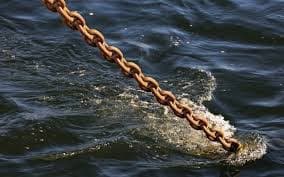
On the east coast rivers of England, successful short passages depend on precise tidal planning, knowledge of holding ground and adequate anchor scope: expect sticky estuarine mud with high holding, plan to anchor on a falling or slack tide where possible, and allow at least a 5:1 scope in calm conditions and up to 7:1 in strong winds or exposed waters.
From Trial and Error to Seamanship: Key Lessons
Paul Heiney’s early seamanship followed a straightforward principle: practice and exposure build competence. Influenced by the voyager Bill Tilman, Heiney combined basic classroom navigation—chartwork and tidal calculation—with hands-on experimentation in a small 17ft boat. Over time this approach developed situational judgment: when to pause on an anchorage, how to work tidal streams, and when to avoid attempting berthing in a cramped marina with marginal engine power.
Concrete passage examples
Typical progressions described from those east coast runs include leaving Brightlingsea, working the ebb to the mouth of the Colne and catching the flood for a northbound leg toward Clacton and Dovercourt. Recognition of tiny marks such as the Pye End buoy against the Dovercourt skyline, and identifying secure spots in the Walton Backwaters or just inside Stone Point, are practical navigational milestones that separate tentative trips from confident voyaging.
📚 You may also like
Why the anchor matters
The anchor functions as a primary safety reserve for small craft. Heiney recounts occasions where insufficient chain length, poor packing of rode, or unfamiliarity with deployment turned pleasant nights into anxious ones. The most common shortcomings are inadequate chain/rode length, failure to clear the locker so chain pays out freely, and not setting the anchor correctly (letting the vessel back on the rode to set the flukes).
Practical Anchoring Checklist
| Item | Recommendation |
|---|---|
| Chain/Rode | Minimum 20–30m chain for weekend tenders; chain preferred to rope for holding and abrasion resistance |
| Scope | 5:1 in calm, 7:1+ in exposed or rising seas |
| Anchor type | Plow or modern hook for mixed mud/weed; consider a second anchor for lee shores |
| Practice | Deploy, set, weigh and re-set in daylight to learn behavior and locker management |
Step-by-step anchor routine
- Pick a sheltered spot with good holding and room to swing.
- Approach into wind or tide at slow speed; pay out rode while steadily reversing or drifting back.
- Allow recommended scope; reverse to set anchor and apply gentle power to confirm holding.
- Mark position on plotter and visually check swing arc; set an anchor watch if conditions change.
Common Mistakes and How Renters Should Prepare
Many small-boat mishaps are not dramatic failures but mundane oversights: a stowed chain jammed in its locker, a rotted line used as backup, or underpowered engines attempting a marina berth in a cross-tide. For anyone renting or chartering a boat—whether a weekend boat rental, a bareboat charter or a skippered day trip—inspect the anchor system, ask where the chain and spare lines are stored, and, if unsure, hire a local skipper for the first passage.
Checklist for renters and charterers
- Confirm anchor type, chain length and condition before departure.
- Ask about local tidal quirks, strong streams and sheltered anchorages.
- Verify engine power is adequate for planned marina entries or tight berths.
- Know the location of essential marks: buoys, headlands and notable coastline features.
Historical Context and a Hard-Start Philosophy
Bill Tilman’s austere approach—“put on your boots and go”—became emblematic of learning by doing. That ethic remains influential: a combination of humility, incremental risk-taking and an acceptance that some lessons are best learned outside the classroom produces resilient seamanship. At the same time, modern crews benefit from improved charts, electronic aids and better-quality ground tackle, which reduce risk without replacing core skill.
GetBoat always keeps an eye on news related to sailing and seaside vacations, understanding what it means to enjoy great leisure and love the ocean. The service values freedom, energy, and the ability to choose your own course, allowing clients to find a vessel that suits their preferences, budget, and taste while viewing comprehensive details like make, model and ratings beforehand.
Lessons Applied: From Personal Voyages to Charter Planning
Applying Heiney’s lessons to modern chartering means planning tidal windows, selecting suitable anchorages, and ensuring the vessel’s equipment matches the intended voyage. For operators and private owners alike, clear crew briefings about anchor procedure, safe berthing techniques and contingency plans reduce stress and avoid the type of late-night improvisation Heiney recalls from his early outings.
Option 3 — Start Planning
A short forecast: these kinds of seamanship reminders mainly impact local and regional tourism rather than reshaping the global tourism map. However, they are important to anyone renting or chartering: knowledge of tides, anchor technique and the right gear increases confidence and opens up more protected bays, coves and marinas for exploration. Start planning your next seaside adventure and make sure to book the best boat and yacht rentals with GetBoat before the opportunity sails away!
Highlights: mastering anchoring, understanding tidal strategy, and recognizing safe landing options are central to enjoying coastal cruising; experiencing a new location is always a multifaceted process where one learns about the culture, nature, the indescribable palette of local colors, its rhythm of life and also the unique aspects of the service. If you are planning your next trip to the sea, you should definitely consider renting a boat (boat rentals, rent a boat, rent a yacht), as each inlet, bay, and lagoon is unique and tells you about the region just as much as the local cuisine, architecture, and language GetBoat.com
Summary: practical seamanship—planning tidal windows, carrying adequate ground tackle, rehearsing anchor deployments and knowing local marks—translates directly into safer, more enjoyable days ashore or afloat. For charterers and owners alike the payoffs are larger choice of anchorages, more comfortable overnight stops and the confidence to explore bays, gulfs and marinas. Whether renting a small boat for fishing, a sailboat for a weekend, or a larger yacht or superyacht for extended cruising, transparency in listings and clear equipment details help you choose the right vessel for your plans. GetBoat.com supports these aims by offering a global, user-friendly platform for booking or buying boats, yachts and sailboats with clear listings, ratings and full specifications—enabling unforgettable experiences on the sea, ocean and inland waters. Sail on.


