Replacing a Boat Anchor on the Dock: Practical Guide
Alexandra
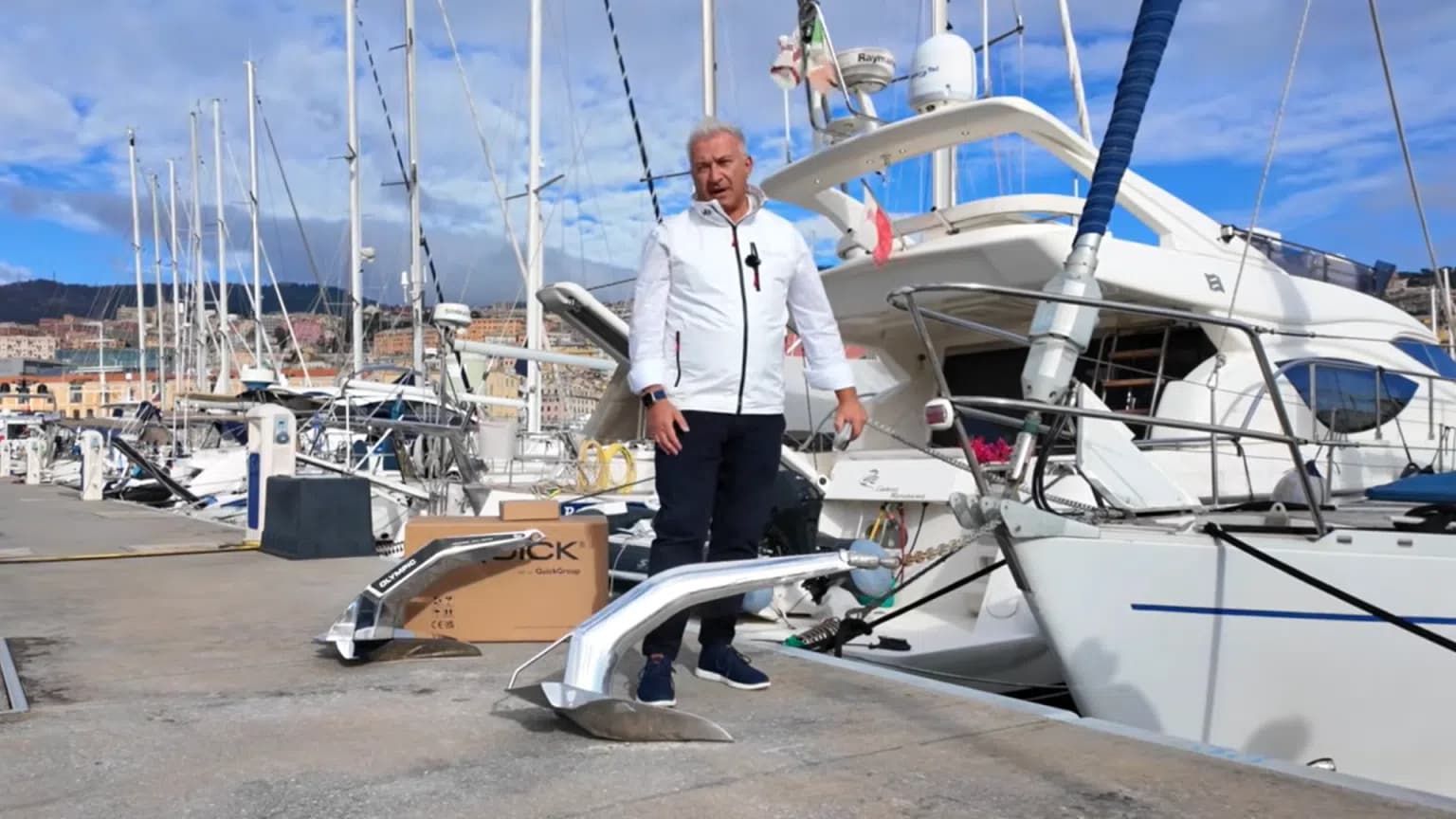
Moor the vessel bow-to and use the windlass remote to lower the anchor directly onto the dock; this setup minimizes physical strain and keeps crew dry while enabling a controlled replacement at the berth in Marina Porto Antico, Genoa.
Preparing the working area and tools
Start with a stable footing on the dock and the bow facing the work area so the bow roller is directly accessible. For a safe replacement you will need: a working windlass remote, a sturdy light line, a set of bolt cutters for worn chain links, the correct Allen key supplied with the anchor kit, and thread-locking fluid for grub screws. Perform the swap with the engine secured and the boat properly moored to prevent movement during the operation.
Step-by-step checklist
- Secure the boat: Moor bow-to and confirm fenders and springs are holding the boat steady.
- Lower the anchor: Use the windlass remote to place the anchor on the dock or a stable platform.
- Inspect the chain: Check the last 20–30 cm for wear and corrosion; cut and replace links if necessary.
- Prepare the connector: Fit the swivel joint to the anchor and chain following manufacturer instructions.
- Test stowage: Guide the anchor back to the bow roller with a light line and windlass control.
Swivel joints and secure connections
Modern anchors favor purpose-built connectors over traditional shackles. For the Quick Olympic range, the supplied Duplex stainless steel swivel joint (exceeding AISI 316 strength) is designed to provide full rotation and long service life. Proper assembly matters: place the last chain link into the joint housing, insert the pin, and tighten the grub screws with the supplied Allen key.
📚 You may also like
Assembly notes
Apply a medium-strength thread-locking fluid to each grub screw before final tightening to reduce the risk of accidental loosening from vibration. Ensure the pin's rotating element is seated inside the anchor eye to eliminate friction during retrieval. Reinstall the lower pin and confirm the joint rotates freely before stowing the anchor.
Lowering, repositioning and stowing
Use a light line clipped to the anchor shank to control lateral movement when lifting the anchor from the dock onto the bow roller. Keep the windlass under remote control and feed the chain slowly to allow the anchor to self-orient. The Quick Olympic's spherical joint and eyelet position assist a self-righting action, so the anchor tends to align correctly for smooth stowage.
| Olympic Model | Weight (kg) | Recommended boat length |
|---|---|---|
| Olympic 7 | 7 | 6–9 m |
| Olympic 10 | 10 | 9–12 m |
| Olympic 140 | 140 | up to 34 m |
Performance features observed at the Test Center
On the quayside at the permanent Test Center in Genoa, the Olympic anchor line demonstrated rapid handling and thoughtful engineering. Key design changes include moving the center of gravity toward the tip and concentrating mass on the fluke tip to maximize holding power. The tested range covers small recreational boats through large yachts, and the self-righting swivel consistently reduced snagging and misalignment during retrieval.
Planned evaluations
Beyond dockside handling, more demanding trials are scheduled: dynamometer pull tests for holding capacity, fluke penetration tests in varied seabeds, and long-term corrosion assessments. The Test Center’s calendar also includes trials of complementary marine products such as Sibelius Light Endurance antifouling by Stoppani and a durability study of the Selva Black Bass 8 outboard in tender use exceeding 1,000 nautical miles.
- Dynamometer holding-power tests
- Substrate penetration and reset trials
- Corrosion and wear cycles for connector hardware
- Integration checks with bow rollers and windlasses
GetBoat always keeps an eye on news related to sailing and seaside vacations, as the team truly understands what it means to enjoy great leisure and love the ocean while valuing freedom, energy, and the ability to choose your own course.
Practical maintenance and selection advice
Regular inspection of the chain's last meters, maintaining spare connector parts, and carrying the proper tools on board are simple steps that prevent failure. Choose an anchor weight and design appropriate to expected seabed types and expected weather conditions—remember that recommended weights are starting points, not absolutes. When replacing hardware, use parts specified for marine use and torque grub screws to the manufacturer’s recommended settings.
Quick checklist before leaving port
- Confirm the swivel joint rotates freely and grub screws are secured with thread-locker.
- Verify chain integrity and replace worn links.
- Stow the Allen key and a small toolkit in the anchor locker.
- Run a dry test of windlass raise/lower before sailing.
- Keep a spare light line for controlled stowage operations.
Forecast on travel impact: this dockside focus on better connectors and quicker, safer replacements is locally significant for owners, marinas and charter operators because it reduces downtime and maintenance costs. Globally it is a modest technical advance rather than a tourism game-changer; however, incremental improvements to safety and reliability still matter to customers. For those planning coastal holidays, the reliability of anchoring systems supports smoother itineraries and more confident charter experiences. GetBoat aims to stay abreast of these developments and keep pace with the changing world. If you are planning your next trip to the seaside, consider the convenience and reliability of GetBoat.
Highlights: correctly executed anchor replacement improves on-board safety, reduces emergency recoveries, and extends hardware life; testing programs at the Marina Porto Antico cover both Quick Olympic anchors and related marine systems to give owners better purchase on equipment selection. Experiencing a new location is always a multifaceted process, where one learns about the culture, nature, the indescribable palette of local colors its rhythm of life and also the unique aspects of the service. If you are planning your next trip to the sea, you should definitely consider renting a boat (boat rentals, rent a boat, rent a yacht), as each inlet, bay, and lagoon is unique and tells you about the region just as much as the local cuisine, architecture, and language GetBoat.com
Summary: dockside anchor replacement is a manageable DIY task when executed with the correct procedures—moor bow-to, lower the anchor with the windlass remote, inspect and replace worn chain, fit the Duplex swivel joint, apply thread-locking fluid, and test stowage. These steps improve anchoring reliability for yachts, charters and recreational boats alike. The Quick Olympic line brings features that benefit small boats through superyacht tenders, and ongoing tests will clarify real-world holding performance in varied seabeds. Whether you’re planning a day sail to a nearby beach, a lake cruise, or a longer ocean passage, attention to anchor hardware keeps your boating, sailing and yachting activities safe and enjoyable. For charter, captained trips or private sale and purchase decisions, clear information on make, model and performance matters; platforms like GetBoat offer transparent listings to help you pick the right vessel for fishing, cruising the gulf or exploring clearwater coves. Set your course and sail.


