New Patterns in American Travel Spending and Choices
Alexandra
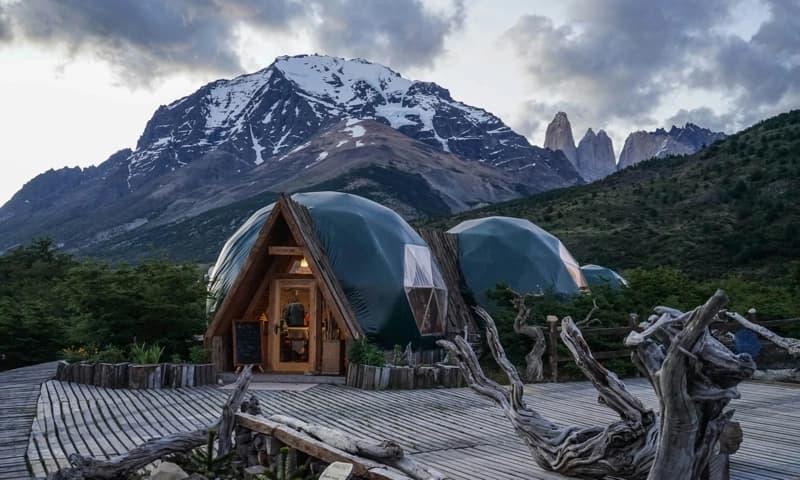
The average annual leisure travel budget for American travelers rose to $6,453 in February 2026, and respondents now expect an average of 4.0 leisure trips over the next 12 months—up from 3.7 a year ago—signaling sustained demand despite muted financial optimism.
Financial sentiment vs. travel commitment
Sentiment indicators show mixed signals: about 33.4% of travelers say they are financially better off than a year ago, while 44.9% expect to be better off a year from now. Recession fears have eased for the third straight month, yet long-term financial confidence remains below early-2025 levels. Still, the share who believe it’s a good time to spend on travel has held firm at 34.8%, and 58.5% rate travel as a high priority for the next three months.
Budgets, trip forecasts and high-income behavior
The rebound in budgets follows a familiar seasonal pattern: post-holiday dips reverse in early spring and budgets climb. Higher spending expectations likely reflect both planned increases in per-trip costs and a desire for more valuable experiences rather than more trips.
📚 You may also like
| Metric | Value (Feb 2026) | Change vs Dec 2025 |
|---|---|---|
| Average annual leisure budget | $6,453 | +17.1% |
| Projected leisure trips/year | 4.0 | Up from 3.8 |
| Overnight leisure travelers (past month) | 49.7% | Steady |
| Leisure day trips | 49.6% | -0.8 pts |
Who’s taking the most trips?
- High-income households ($200,000+) expect ~5.2 trips.
- Convention/meetings travelers expect ~4.8 trips.
- Business travelers expect ~4.7 trips.
Recent travel activity: overnight vs. day trips
Overnight leisure travel steadied at nearly half of respondents, while day trips declined slightly—leisure day trips fell to 49.6% and day trips to visit friends and family to 45.0%. The pattern suggests travelers are favoring longer, more immersive stays over quick day jaunts; it’s the classic “quality over quantity” shift in motion.
Political and social context shaping destination choices
Political and social dynamics have started to influence travel choices materially. Increased federal agency presence in some cities reduced comfort levels for many: 47.0% reported feeling less comfortable visiting cities with visible federal agencies, while 24.0% felt more comfortable. Demographic splits are notable—Baby Boomers are more likely to avoid these cities, while parents of school-aged children tend to feel more comfortable.
- Asian and LGBTQIA+ travelers reported higher decreases in comfort (58.2% and 65.6%, respectively).
- Nearly 23% plan to avoid certain cities in the coming year because of federal agency activity.
Shift toward slower, immersive travel
There is a clear movement toward immersive, single-destination trips: 52.7% of travelers stayed in one place rather than hopping multiple destinations, and over half (50.9%) emphasize immersion in local culture, nature, and daily life. The trend is strongest among Gen Z (single-destination stays at 67.2%; immersion at 66.2%), with Millennials also trending toward deeper experiences.
Why it matters for charters and boating
Longer stays and immersive preferences create fertile ground for the yachting and boat-rental market. Travelers who prioritize time in one place are more likely to book multi-day charters, hire a captain, or choose a private boat to explore a single bay or coastline. Marinas, local operators, and charter platforms can capture additional spend through curated activities—fishing trips, snorkeling, or sunset cruises—rather than one-off day rentals.
Practical tips for renters and captains
- Offer multi-day packages and flexible check-in/check-out to match slower itineraries.
- Promote local experiences: fishing, beach access, and guided island tours sell well to immersive travelers.
- Train captains as local concierges who can recommend marinas, clearwater bays, and dining options.
- Target Gen Z and Millennials with off-the-beaten-path Destinations and social-friendly routes.
In short, the early-2026 landscape shows Americans still prioritizing travel despite cautious finances; budgets are up, trip frequency edges higher, and preferences are trending to slower, more meaningful travel. For the yachting and charter sector, this means opportunity—longer stays, marina services, and activity-driven packages can drive rentals, whether on a small boat, a sunseeker-style cruiser, or a superyacht for those in the market. From gulf coves to clearwater bays, these shifts reshape Destinations and the way captains and operators plan for the season.
To wrap up: budgets at a record high, travelers favor immersive single-destination trips, political dynamics influence city choices, and demand for richer experiences should boost yacht and boat charter markets. Keep an eye on opportunities across marinas, rent options, beach access, lake and ocean itineraries—whether it’s a yacht charter, fishing outing, superyacht sale interest, or a simple boating day with a hired captain, the travel pivot matters now for Destinations, yachting, boating, and everything in between.