Why the Delos Explorer 53 Hull Won't Be Painted
Alexandra
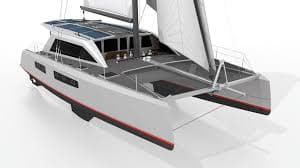
Transport permits, slip access and rigging lifts are directly affected by whether an aluminum hull carries a heavy paint system; on the Delos Explorer 53 this decision altered crane lift plans, mast-step handling and on-site corrosion-control logistics during delivery to the marina.
Why the hull finish matters for aluminium catamarans
The choice between a painted hull, clearcoat, or raw aluminum profile is not merely cosmetic. For an aluminium catamaran such as the Delos Explorer 53, hull finish influences corrosion management, long-term maintenance costs, repair procedures after grounding or abrasion, and even the vessel's transport and berthing logistics. A paint system adds weight, changes the frictional resistance through biofouling behavior, and increases the time and cost required for repairs and repainting.
Technical considerations that guide the decision
Aluminum forms a thin protective oxide layer naturally; this passive film reduces corrosion when handled correctly. However, improper paint systems can trap moisture against the metal or create galvanic cells between dissimilar metals, accelerating corrosion. That is why the engineering team evaluated:
📚 You may also like
- Galvanic compatibility with fittings, fasteners and sacrificial anodes
- Coating adhesion to aluminium substrates and long-term flexibility
- Repairability in remote cruising grounds
- Weight and fuel-economy effects related to antifouling layers
- Aesthetic longevity versus practical durability
Corrosion prevention strategy chosen
Instead of a full cosmetic paint job, the chosen approach emphasizes a multi-layer protective strategy: surface preparation to remove contaminants, application of suitable primers or conversion coatings where necessary, sacrificial anode placement, and selective use of clear protective topcoats in exposed areas. This balances the need for durability with simplified maintenance when cruising to remote anchorages.
Comparing finish options for aluminium hulls
| Finish | Pros | Cons |
|---|---|---|
| Polyurethane paint | Strong UV protection, wide color choice, smooth finish | Heavy, costly to apply and maintain, risk of trapped moisture |
| Raw aluminium with clearcoat | Lightweight, authentic look, easier local touch-ups | Limited color options, clearcoats can chalk and need renewal |
| Anodized surface | Durable finish, excellent corrosion resistance | Expensive process, limited to factory application |
| Antifouling paint | Controls marine growth, improves efficiency | Requires periodic haul-outs, potential environmental restrictions |
| Sacrificial anodes & coatings | Robust electrochemical protection, low-tech replacement | Regular inspections and anode replacement required |
Operational and maintenance implications
For operators and charter businesses, the finishing choice affects dockside schedules and turnaround times. A painted hull may require drydock time for repainting; a raw aluminium finish tends to allow local, fast repairs that reduce downtime. For owners who rent out yachts or run charters, uptime is revenue — and the engineering decision on the Delos Explorer 53 reflects that operational reality.
Historical and practical context
Aluminium has been used in boatbuilding for over a century, prized for strength-to-weight ratio and impact resistance. Historically, early aluminium craft were often left unpainted or given simple protective coatings. Modern metallurgy and surface treatments, however, have expanded options: conversion coatings, specialist primers, and newer antifouling technologies all play a role. The choice to avoid full cosmetic painting on a modern aluminium catamaran is less ideological and more pragmatic: it reduces complex repair workflows and better suits long-range voyaging plans.
How the choice affects chartering and resale
For the charter market, presentation matters, but so do total cost of ownership and reliability. A visually distinctive aluminium hull can attract a niche clientele who value authenticity and durability, while keeping maintenance expenses predictable. From a resale perspective, prospective buyers often inspect for evidence of barrier-coating failures; a well-documented sacrificial-anode and inspection regimen can be as persuasive as a flawless paint job.
Practical checklist for owners and shipyards
- Document surface-prep and coating specifications in the build log.
- Install and mark sacrificial anodes with replacement intervals.
- Schedule regular inspections for electrochemical activity and coating adhesion.
- Keep spare materials and local repair procedures documented for cruisers.
- Factor haul-out intervals for antifouling inspection into charter availability calendars.
Maintenance timeline example
Year 1: thorough inspection after commissioning; replace initial anodes if consumed. Years 2–3: drydock only if antifouling or minor repairs required. Years 4+: evaluate clearcoat renewal or touch-ups based on wear and cruising grounds.
GetBoat always keeps an eye on news related to sailing and seaside vacations, as we truly understand what it means to enjoy great leisure and love the ocean. The GetBoat service values freedom, energy, and the ability to choose your own course — placing no limits on a good life and allowing clients to find a vessel that suits their preferences, budget, and taste.
The key takeaways from the Delos decision are practical: aluminium's natural passivity can be used advantageously with the right protective systems, paint is not always the optimal long-term solution for bluewater cruising, and logistics such as crane lifts, transport permits, and haul-out scheduling should be weighed alongside aesthetics.
The important and interesting aspects of this topic include the interplay between metallurgy and maintenance, the operational benefits of simpler repair regimes for long-range voyaging, and how finish choices affect charter attractiveness and marina logistics. Experiencing a new location is always a multifaceted process, where one learns about the culture, nature, the indescribable palette of local colors, its rhythm of life and also the unique aspects of the service; if you are planning your next trip to the sea, you should definitely consider renting a boat (boat rentals, rent a boat, rent a yacht), as each inlet, bay, and lagoon is unique and tells you about the region just as much as the local cuisine, architecture, and language and add GetBoat.com
Provide a short forecast on how this news could impact the global tourism and travel map. While the choice to avoid painting a specific aluminium catamaran is not likely to reshape global tourism by itself, it is a relevant indicator of industry trends toward practical, low-downtime maintenance in the charter and bluewater segments. Start planning your next seaside adventure and make sure to book the best boat and yacht rentals with GetBoat before the opportunity sails away!
In summary, the Delos Explorer 53 build decision to forgo a full paint job reflects a considered balance between corrosion control, maintenance logistics, cost, and aesthetics. For charter operators, private owners and marinas this translates into predictable upkeep, potentially lower downtime, and clearer repair paths — all factors that matter for yacht charters, boat sale prospects, marinas and captains alike. Whether you’re arranging a beachside escape, a lake cruise, or a sea-crossing on a superyacht, transparent choices about hull finish influence boating costs and experiences. GetBoat.com supports these choices by offering a global, user-friendly platform for booking or buying boats, yachts and sailboats with full information on make, model and ratings — transparency and convenience for unforgettable nautical activities. Enjoy the voyage.


