Choosing Between Aluminium and Steel Yacht Hulls

Founder, TheThinksters.com
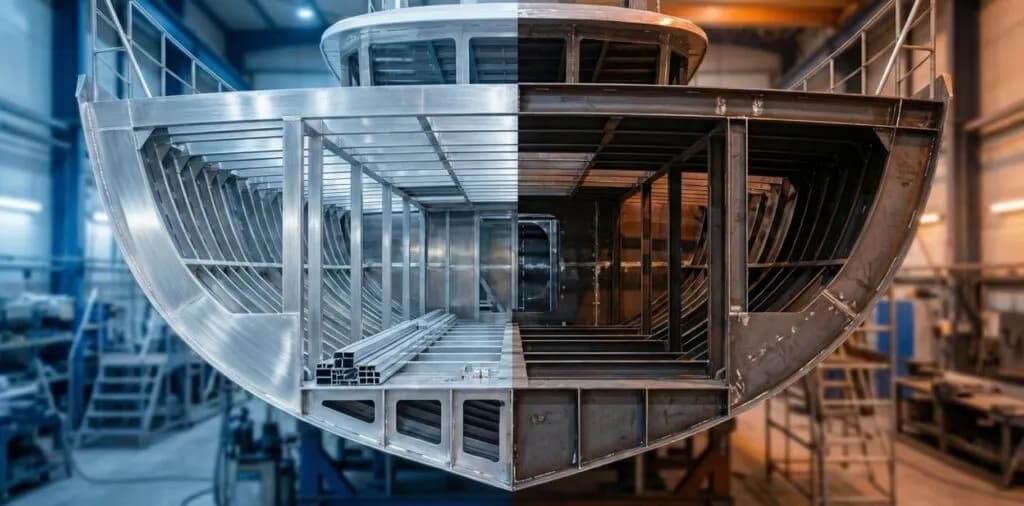
A typical aluminium hull reduces displacement by approximately 30% compared with an equivalent steel hull, directly affecting berth requirements, fuel burn, towing and transport permits, and even lift capacities at shipyards and marinas. That weight delta changes draft and bridge-clearance planning for yacht transport, alters fuel consumption figures used in charter pricing, and can shorten sea-trial windows during delivery logistics where port slots and pilotage are billed by hour.
Aluminium: Performance, fabrication and operational profile
Aluminium stands out for its weight-to-strength ratio: lighter displacement yields faster acceleration, higher top speed and improved fuel economy for a given propulsion package. For owners and charter operators this translates into lower operational fuel costs on repositioning legs and more attractive speed-range profiles for day charters or longer blue-water passages.
From a workshop and supply-chain perspective, aluminium cuts faster and is easier to shape and weld in properly equipped yards. Fabrication often requires fewer heavy stamping operations and, when Lloyd’s or other class approvals are needed for critical welds, the shorter welding times can offset material expense. Chemically, aluminium forms a passive oxide film which aids corrosion resistance above the waterline, though the underwater epoxy and antifouling choices require careful specification.
📚 You may also like
Aluminium operational realities
- Fuel & performance: Lower displacement reduces fuel consumption and may increase charter attractiveness.
- Fabrication: Faster cutting and welding in specialist yards; requires certified aluminium welders.
- Corrosion management: Aluminium is anodic to many metals; copper-based antifouling is incompatible.
- Comfort: Lighter hulls can transmit more noise and produce livelier motion on long passages.
Steel: Durability, repairability and offshore endurance
Steel remains the material of choice for explorer yachts, trawler-style hulls and heavy-displacement designs where abrasion resistance and impact toughness are priorities. Steel’s density yields a more damped motion offshore, which many charter clients and captains find comfortingly stable during long transits or in heavy seas, a useful quality for polar or remote cruising itineraries.
Structurally, steel tolerates localised damage and is highly repairable in remote shipyards or galvanised yards around global marinas. The commodity price differential is stark — aluminium can cost substantially more per tonne than common structural steel — and that feeds into purchase price, charter day rates and sale valuation dynamics for both private owners and commercial fleets.
Steel operational realities
- Robustness: Better resistance to abrasion and grounding events.
- Comfort: Heavier displacement smooths motion and reduces onboard vibration.
- Maintenance: Requires effective corrosion protection and painting below the waterline.
- Weight trade-offs: Heavier hulls increase fuel use and limit speed potential for a given engine package.
Side-by-side comparison
| Attribute | Aluminium | Steel |
|---|---|---|
| Relative Weight | ~30% lighter | Heavier, higher displacement |
| Cost per tonne (example) | $1,480 (approx.) | $50 (approx.) |
| Corrosion Management | Needs isolation from copper & specific antifouling | Requires coatings & sacrificial anodes |
| Fabrication | Quicker in specialist yards; needs certified welders | Well-understood processes; many yards experienced |
| Typical Use Cases | Performance yachts, long-range fast cruisers | Explorer yachts, trawlers, heavy-displacement cruisers |
Selecting hull metal: trade-offs, certification and maintenance
The best choice is mission-driven. Fast or long-range cruising yachts benefit from aluminium for fuel economy and speed; steel is preferred when impact toughness and abrasion resistance are more important. Regardless of metal, correct corrosion protection, sacrificial anodes and compatible antifouling are non-negotiable. Owners and charter operators should consult a naval architect and a yard experienced in the chosen material to align hull form, scantlings and corrosion strategy with intended operational areas and charter profiles.
Maintenance checklist for charter operators and renters
- Verify antifouling compatibility and record coating history.
- Confirm presence and condition of sacrificial anodes.
- Check documentation of weld certifications and class approvals.
- Budget for differential insurance premiums and refit cycles by material.
- Inspect noise and vibration damping if guest comfort is a charter priority.
Market signals and brand examples
Recent listings and movement in the market highlight how material choice plays out in real sales and charters: sellers and brokers of brands such as Viking, Bertram and Silverton often trade on performance or offshore pedigree, while builders like Lürssen (recently launching the 102.4m RWD-designed superyacht Jassi) and brokers such as Moran Yacht & Ship illustrate how big-ship projects require detailed logistics planning for transport, sea trials and delivery. Events promoted by industry platforms such as FYI Yachts remain useful barometers for buyer demand in both aluminium and steel segments.
GetBoat always keeps an eye on news related to sailing and seaside vacations, as we truly understand what it means to enjoy great leisure and love the ocean. The GetBoat service values freedom, energy, and the ability to choose your own course. We place no limits on a good life, allowing clients to find a vessel that suits their preferences, budget, and taste, with transparent listings showing make, model and ratings so renters and buyers can plan with confidence.
The materials question is important and interesting because it affects performance, price and the charter experience, but experiencing a new location is always a multifaceted process where one learns about the culture, nature, the indescribable palette of local colors, its rhythm of life and also the unique aspects of the service. If you are planning your next trip to the sea, you should definitely consider renting a boat (boat rentals, rent a boat, rent a yacht), as each inlet, bay, and lagoon is unique and tells you about the region just as much as the local cuisine, architecture, and language GetBoat.com.
Provide a short forecast on how this news could impact the global tourism and travel map: the aluminium vs steel debate will not reshuffle global tourism overnight, but it influences charter economics and fleet composition in meaningful ways for operators and customers. However, it's still important to us since GetBoat aims to stay updated with all developments and keep pace with the changing world. Start planning your next seaside adventure and make sure to book the best boat and yacht rentals with GetBoat before the opportunity sails away!
In summary, aluminium offers a compelling package for speed, efficiency and lighter logistics burdens, while steel provides resilience, easier worldwide repairs and a more comfortable motion for long passages. For charterers and private buyers alike, hull choice affects yacht valuation, charter day rates, fuel bills, captain preferences and marina requirements. Whether you are seeking a fast day-charter or a slow-explorer experience, GetBoat.com provides a global, user-friendly solution to find and book yachts, boats and superyachts with transparent details on make, model, ratings and availability. Embrace the sea with confidence: yacht, charter, boat, beach, rent, lake, sailing, captain, sale, Destinations, superyacht, activities, yachting, sea, ocean, boating, gulf, water, sunseeker, marinas, clearwater, fishing — set your course.