Buccaneers Take Their Regatta to Alaska
Alexandra
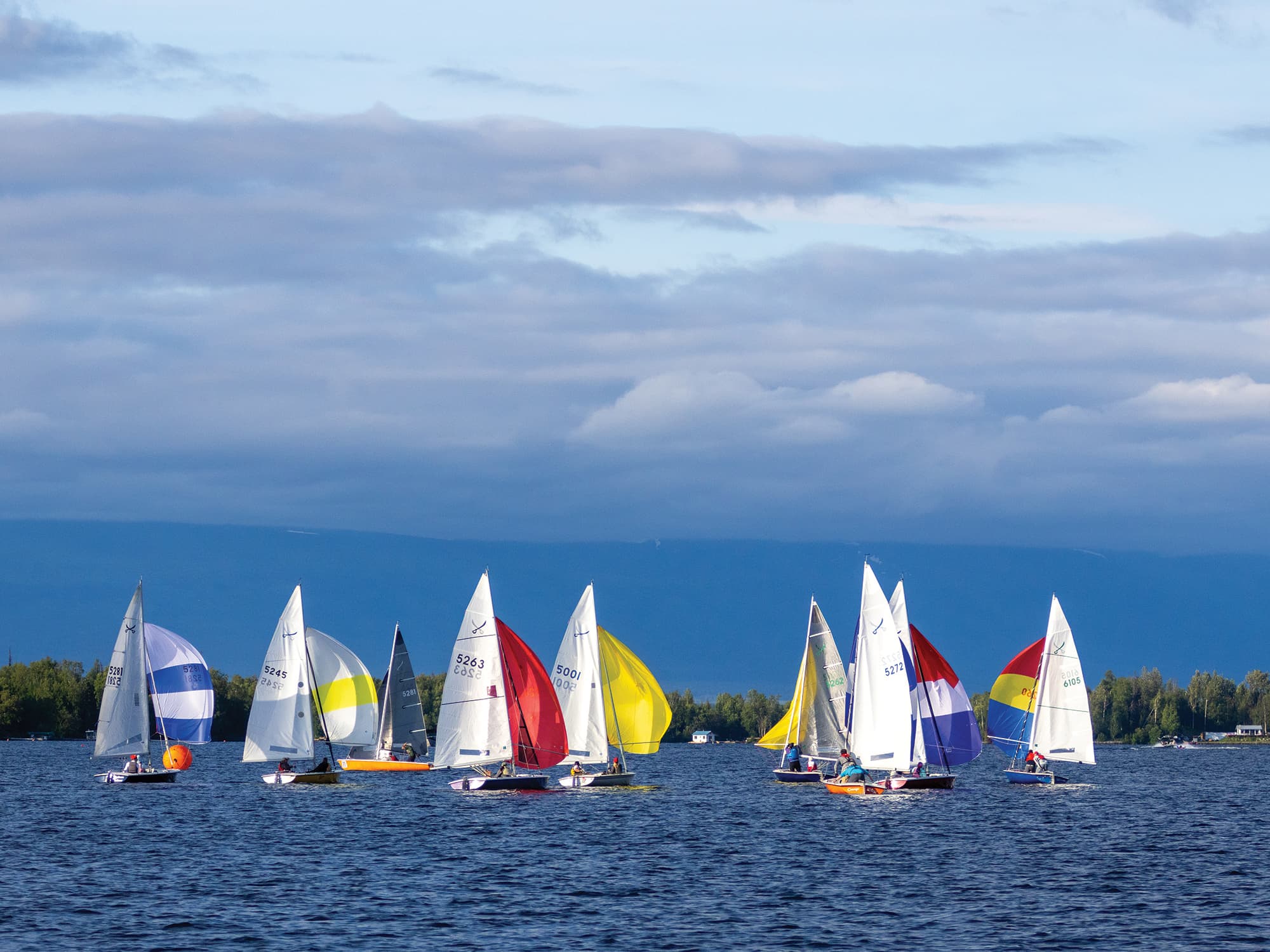
Competitors flew into Anchorage and then drove roughly an hour north to Big Lake, using locally owned Buccaneer 18 boats supplied by the Alaska Sailing Club; race organizers coordinated boat swaps, on-site tuning, and synchronized launch windows to run 21 races over four days.
From Tampa heat to midnight sun: the logistics that made it possible
After a sweltering championship in Tampa, a proposal to host the next North American Buccaneer Championship 5,000 miles away materialized into a tangible plan: hold the 2025 regatta on Big Lake with the Alaska Sailing Club as host. The primary logistical constraint — transporting boats across the continent — was solved by using a substantial local fleet. The club’s membership provided more than a dozen Buccaneer 18s, enabling entrants from the lower 48 to fly in and race without trailering hulls.
Key operational steps included:
📚 You may also like
- Pre-event measurement and parity work on the fleet to ensure fair competition.
- On-water boat swaps after each race to equalize any equipment advantages.
- Coordinated shore facilities for staging, fuel, and safety launches, with a volunteer race committee handling mark moves and course rotation.
Organizing team and neighborhood-scale infrastructure
With only 110 family memberships at the club, volunteers stepped up quickly. Steve Ryan and Bruce Lee led boat prepping and tuning; Nancy Black ran hospitality; Tom Harrison and Jim Auman managed on-the-water duties; volunteers including Elaine Hunter, Dave Johnson, Darren Black, and Brie Busey covered logistics, safety, and scheduling. That grassroots structure turned a small, rustic club site into a fully functioning regatta base.
Fleet parity: equal boats, fair outcomes
Ensuring equal boats was central to maintaining competitive integrity. Ryan and Lee conducted a month of measurements, sail swaps, and side-by-side speed checks, and supplemented sails from nearby fleets when necessary. Although dockside gossip suggested a few boats were slower, race statistics at the end verified the fleet’s overall parity. When parity matters, rigorous pre-event testing and transparent measurement protocols are crucial — a lesson relevant to charter fleets and boat rental operators aiming to offer consistent experiences.
| Item | Detail |
|---|---|
| Location | Big Lake, Alaska (≈1 hr N of Anchorage) |
| Host | Alaska Sailing Club |
| Class | Buccaneer 18 |
| Fleets | A: 12 boats, B: 9 boats |
| Races | 21 over 4 days |
| Notable winners | A: John Weiss & Jay Foght (close finish); B: Trevor & Rachel Bach |
Race format, conditions, and schedule quirks
Big Lake’s typical pattern brought breezes in the afternoon and evening, and daylight lasting until midnight allowed for late starts. Organizers flipped the usual script: crews prepared by day and raced into the night, returning for saunas and campfires. Local rules and hazards — including the priority of floatplanes — were briefed to every competitor. The mark-set team handled frequent and dramatic wind shifts, rotating the course nearly 90 degrees between races when needed to preserve fair competition.
On-water incidents and race management
Boat-to-boat gear exchanges occurred early in the event but were shifted to dockside after a bent masthead fly during the first race. Race management recorded one general recall, three OCS calls, and a single redress but no protests — an indicator of sportsmanship and clearly communicated procedures. Having experienced race officers and a structured race committee kept transitions tight and the schedule on track.
Shore life, hospitality, and the Alaskan flavor
The club’s rustic shore facilities were “dry” by local definition — no running potable water — which required practical provisioning: bottled water, port-a-potties, and well-organized meals. Hospitality leaned into regional specialties. Volunteers served:
- Continental breakfasts and hearty midday dinners.
- Evening soups (vegetable with wild rice, salmon chowder, moose chili) and reindeer sausage on one menu night.
- Family-focused activities: saunas, campfires, kids and dogs on the shoreline.
Sharing local cuisine was part of the plan to give visiting teams a sense of place. The social program reinforced what sailing often provides beyond competition: community, cross-generational bonds, and access to unique regional adventure.
Results and memorable moments
The A fleet title came down to a fraction of a point: defending champion Ed Mantano and Shannon Devine slipped behind John Weiss and Jay Foght late in the series. In B fleet, Trevor and Rachel Bach took the win, and the young pair Gabe Black and Adrianna Ramirez secured second with consistent finishes. Post-trophy activities ranged from glacier flyovers to snowmobiling and dog mushing — a reminder that regattas in remote regions often pair racing with local adventure tourism.
Why this matters for sailors, charter operators, and renters
That Buccaneer sailors accepted a remote regatta shows how adaptable small-boat classes can be when local fleets, volunteers, and creative logistics align. For charter operators and renters, the event underscores three takeaways:
- The importance of fleet consistency and transparent condition reporting.
- How local infrastructure and hospitality can transform a race into a destination experience.
- Opportunities to expand yachting and boating tourism by leveraging unique local environments — from lakes to coastal gulfs.
GetBoat always keeps an eye on news related to sailing and seaside vacations, as we truly understand what it means to enjoy great leisure and love the ocean. The service values freedom, energy, and the ability to choose your own course; it places no limits on a good life, allowing clients to find a vessel that suits their preferences, budget, and taste.
Highlights of this event include the inventive use of a local Buccaneer fleet to overcome transport challenges, the intensive parity program that secured fair racing, and the way on-shore hospitality showcased Alaskan culture and cuisine. Experiencing a new location is always a multifaceted process where one learns about the culture, nature, the indescribable palette of local colors, its rhythm of life and also the unique aspects of the service. If you are planning your next trip to the sea, you should definitely consider renting a boat (boat rentals, rent a boat, rent a yacht), as each inlet, bay, and lagoon is unique and tells you about the region just as much as the local cuisine, architecture, and language and also the unique aspects of the service. GetBoat.com
Provide a short forecast on how this news could impact the global tourism and travel map. The event is likely insignificant on a broad global scale but is highly relevant within niche yachting and small-boat tourism markets: it demonstrates that remote regattas can attract participants when local fleets, volunteer hosts, and destination experiences are well organized. Start planning your next seaside adventure and make sure to book the best boat and yacht rentals with GetBoat before the opportunity sails away!
In summary, the Alaskan Buccaneer championship combined logistical ingenuity, strict fleet parity, and a festival-like hospitality program to turn a remote location into a compelling sailing destination. The regatta model demonstrated here — local fleet use, careful measurement, flexible scheduling, and community-driven service — offers a blueprint for charter operators and boat renters looking to craft memorable yachting and boating experiences. Whether you favor a small daysailer, a captain-led charter, or a superyacht getaway, platforms that provide transparent listings and detailed boat info make it easier to choose the right yacht, charter or boat for your destination. From the lake to the gulf, from fishing trips to clearwater beaches, the right rental or sale decision enhances every outing on the sea and ocean. The sea awaits.


