Transatlantic Passage: Alacazam's Setup and Lessons
Alexandra
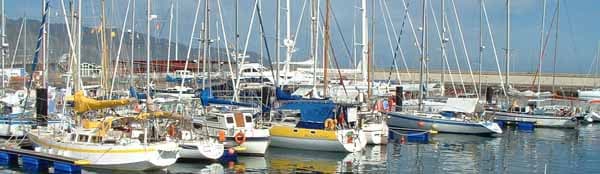
Alacazam averaged an operational target of 150 nautical miles per day and departed Marina del Atlantico, Santa Cruz de Tenerife on 13 January 2002 for an approximately 3,000 nm transatlantic passage toward the West Indies.
Planning & Preparation: Route, Vessel and Crew Decisions
The routing followed the conventional southbound corridor: Plymouth → France → Spain → Portugal → Madeira → Canary Islands → across the trades to the Caribbean. After wintering in Santa Cruz in December 2001 to wait for tradewind establishment, the crew initiated the ocean leg along the well-known “Milk Run.”
Crew composition was deliberately minimalist: two experienced offshore sailors with previous offshore coastal experience in the UK, France, Spain, Portugal and the Mediterranean. Full-time employment and a rented home removed onshore commitments and simplified long-range provisioning and watch rotations.
📚 You may also like
Key logistical choices made before departure:
- Timing: wait for steady tradewinds in January to avoid prolonged doldrums or storm tracks.
- Provisioning: conservative food, water and fuel margins for 25–30 days to allow for slower-than-expected passage or diversion.
- Watchkeeping: established 3/3 and 4/4 patterns depending on sea state, with strict rest, navigation checks and systems monitoring.
Alacazam: Construction Choices and Performance Metrics
Alacazam is a light-displacement cruising yacht built with a hybrid approach: Western Red Cedar hull using the wood/epoxy method mated to GRP mouldings for the doghouse and cockpit. Structural bonding produced an essentially monocoque hull, with bulkheads and internal structure working as a single unit.
The appendages and drive train were specified for offshore reliability: a fin keel moulded in GRP with a lead bulb, a partially balanced rudder on a half skeg, and a prop shaft supported by an A-bracket driving a two-bladed folding propeller.
Principal Dimensions & Ratios
| Length overall | 11.5 m (37.5 ft) |
| Waterline length | 10.6 m (34.5 ft) |
| Beam | 3.9 m (12.5 ft) |
| Draft | 2.2 m (7 ft) |
| Displacement | 7,023 kg (7.75 tons) |
| Displacement/Length ratio | 159 |
| Sail area/Displacement ratio | 18.28 |
Expected Passage Time & Speed Potential
Using the 10.6 m waterline length, the theoretical displacement hull speed is about 8.2 knots (circa 197 nm per day). Operational experience on Alacazam showed surges above hull speed: a recorded 12.5 knots on a reach with full genoa and reefed main in force 6 conditions. The conservative planning target was an average of 150 nm/day, making the transatlantic leg a projected 20-day passage.
Downwind Sailing Rig, Tactics and Sea-keeping
Initial sailing on the ocean leg used a broad reach with full main and genoa, later switching to a poled-out main and genoa arrangements. The crew trialed a wing-and-wing setup (poled main with genoa poled to windward) for downwind runs; it offered speed and moderate motion control but required active sail handling when wind strength increased.
Why Wing-and-Wing Was Not Ideal for Long Offshore Runs
- Reefing the main in big seas necessitated turning the yacht to windward, exposing crew to large motions and increased workload.
- On a long ocean passage, reduced sail-handling complexity is preferable to higher but intermittent speed gains.
The Twin Headsail Approach
The preferred steady-trade tactic became a twin headsail configuration: a furled genoa on one luff groove and a smaller yankee on the second groove. This allowed trimming for stability, easier reefing changes, and fewer mainsail evolutions. Sail control lines, leads and reefing systems were organized to enable safe sail changes from the cockpit in heavy seas.
Systems, Reliability and Lessons for Prospective Offshore Renters
Several design and systems decisions proved decisive for reliability and comfort over the crossing:
- Hull and structural robustness: wood/epoxy monocoque construction and solid bonded keel attachments reduce flex and fatigue.
- Drivetrain resilience: an A-bracket shaft support and folding prop decrease risk of shaft misalignment and prop damage.
- Sail plan flexibility: multiple headsails and reefing strategies simplified heavy-weather sail management.
- Provisioning and redundancy: extra fuel, water, navigation backups and spares ensured autonomy during the 3,000 nm leg.
For those considering long-distance charters or buying a used bluewater-capable boat, these elements — hull integrity, dependable appendages, and a pragmatic sail plan — are criteria worth checking on listings and during check-out trials.
Operational Notes on Watchkeeping and Provisioning
Watch routines were strictly enforced with written logs for course, weather, fuel, water and system checks. Food stowage emphasized caloric-dense, shelf-stable rations plus fresh items early in the passage. The crew maintained a conservative fuel reserve for diesel heaters and charging alternators, and ensured water-making or bailing systems had tested redundancy.
Highlights and what makes this account interesting: the passage demonstrates how design choices and practical seamanship intersect at sea; how individualized rig setups change comfort and performance; and how small crews can manage long offshore passages with planning and discipline. But experiencing a new location is always a multifaceted process: you learn about the culture, nature, the indescribable palette of local colors, its rhythm of life and also the unique aspects of the service; if you are planning your next trip to the sea, you should definitely consider renting a boat (boat rentals, rent a boat, rent a yacht), as each inlet, bay, and lagoon is unique and tells you about the region just as much as the local cuisine, architecture, and language GetBoat.com
Short-term implications for the global tourism and travel map are modest: this single passage is primarily a valuable operational case study rather than a market-moving event. However, it reinforces trends that do affect tourism—safer, more reliable small-boat designs and clearer operational checklists make coastal and island cruising more accessible. Start planning your next seaside adventure and make sure to book the best boat and yacht rentals with GetBoat before the opportunity sails away!
Summary: Alacazam’s crossing validates the value of conservative planning, robust structural and steering arrangements, and practical downwind sail strategies for a ~3,000 nm transatlantic run. These lessons apply to sailors, buyers and charterers assessing yachts or charters: check hull construction, keel bonding, shaft support, sail-handling systems and provisioning plans before committing. For the leisure-seeking public, GetBoat offers a global, user-friendly platform to find and book the right yacht or boat for coastal cruises, charters and longer passages—transparent listings with make, model and ratings help match preferences, budget and taste. The service emphasizes freedom, energy and the ability to choose your own course. Set your course.


