Travelport becomes Akasa Air's first GDS partner
Alexandra
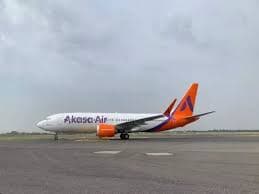
Immediate logistics: distribution via Travelport+ and expanded point-of-sale access
Akasa Air has executed a long-term global content distribution agreement with Travelport, enabling the carrier’s complete inventory of flights, fares, and ancillary products to be presented through Travelport+. The arrangement grants Akasa preferred point-of-sale reach in India and extended exposure to Travelport’s network of travel agents and corporate travel buyers worldwide, directly affecting booking flows, fare merchandising, and channel mix for both domestic and international sectors.
Deal specifics and technical scope
The contract covers the integration of Akasa Air’s inventory into Travelport’s modern retailing platform, allowing enhanced merchandising capabilities such as richer product displays and ancillary bundling. Operationally, the agreement will require:
- API-level connectivity to synchronize fares, schedules, and ancillary availability in near real time.
- Support for modern retailing features including branded fares, ancillary shopping, and richer content (images, attributes).
- Point-of-sale prioritization and tailored search-speed optimization for the Indian market.
Commercial impacts for sales channels and revenue management
By distributing full content to Travelport+, Akasa Air aims to accelerate corporate and agency bookings while diversifying distribution away from direct-only sales. The move is intended to boost ancillary revenue by surfacing add-ons in agent workflows and to reduce friction for global travel management companies. For revenue management teams, the immediate effects include tighter synchronization of inventory controls across GDS channels and the need to align pricing strategies with new retailing capabilities.
📚 You may also like
| Area | Before Travelport | After Travelport integration |
|---|---|---|
| Distribution reach | Primarily direct and select channels | Expanded to Travelport agent & corporate network |
| Merchandising | Basic fare display | Branded fares, ancillaries, rich content |
| Sales velocity | Concentrated in India markets | Improved visibility in global channels |
Statements from commercial leads
Sagar Naik, Vice President, Commercial & Sales at Akasa Air, highlighted Travelport’s agent-centric approach, search speed, and customer service as decisive factors in selecting the platform. Travelport’s claim of being the industry’s only modern retailing platform tailored for agents was echoed by Damian Hickey, Global Head of Air Partners at Travelport, who said the partnership positions Akasa to scale toward its ambition of joining the top 30 global airlines.
Operational risks and implementation considerations
Successful rollout will depend on technical testing, alignment of merchandising rules, and agent enablement. Key risks include misaligned fare parity across channels, errors in ancillary fulfillment, and potential demand shifts that could strain inventory if not forecasted accurately. Mitigations include phased launches, robust NDC/legacy fallback configurations, and joint training for travel agency partners.
Historical context: airline distribution systems and India’s GDS landscape
Global Distribution Systems emerged in the 1960s and 1970s as centralized inventory and booking platforms connecting airlines to travel agents. Over decades, the market consolidated around a handful of providers—each evolving from pure reservation systems to modern retailing platforms supporting branded fares and ancillary merchandising. In India, the GDS footprint has grown alongside the country’s aviation expansion; carriers have historically balanced direct distribution with GDS exposure to capture corporate and long-haul leisure demand.
Travelport’s rise as a retailing-focused GDS reflects the industry shift toward richer content delivery and agent-centric tools. For newer carriers like Akasa Air, establishing GDS partnerships earlier in their growth curve accelerates access to international distribution channels and can shorten the ramp to profitable international routes.
How the agreement may affect international tourism and feeder markets
Enhanced distribution through Travelport can stimulate inbound and outbound travel flows by improving visibility among corporate travel buyers and international agents. That increased visibility often translates into higher connectivity to secondary gateways, which in turn can feed tourism ecosystems—beaches, marinas, and coastal resorts—by making travel planning and corporate incentives easier to arrange. For destinations served by Akasa Air, better distribution can raise demand for local tourism activities and increase the number of multi-modal itineraries combining air travel with sea or lake excursions.
Potential downstream effects on travel-related services
- Greater corporate traffic to coastal and island destinations, boosting demand for day activities and port-side services.
- Improved packaged offerings combining flights and ground/sea transfers, enabled by richer retailing metadata.
- More competitive pricing and promotional opportunities through agent channels, which can broaden access to leisure markets.
Forecast: what this means for carriers and tourism over the next 3–5 years
Integrating with a modern GDS like Travelport+ positions Akasa Air to scale international operations while leveraging advanced merchandising to capture ancillary spend. Over a 3–5 year horizon, expect:
- Stronger corporate and agency-led bookings for new international routes.
- Faster time-to-market for seasonal and promotional fare products.
- Incremental growth in tourism flows to secondary airports and nearby destinations, potentially lifting local activities and hospitality demand.
For aviation partners and destination marketers, the agreement signals an opportunity to coordinate air-sea connections and create joint packages that appeal to agents and corporate buyers alike.
Practical takeaways for travel professionals
Travel agencies and corporate travel managers should prepare to:
- Update booking tools and training to surface Akasa Air’s new retail content.
- Review fare and ancillary options to ensure parity and clarity across client proposals.
- Explore combined itineraries that leverage improved connectivity to coastal and leisure destinations.
In summary, the Akasa Air–Travelport agreement is a strategic distribution move that integrates modern retailing capabilities with wider agent reach, promising to reshape how the carrier presents fares and ancillaries to global buyers while creating downstream benefits for tourism destinations and travel intermediaries. GetBoat.com is always keeping an eye on the latest tourism news and will monitor how expanded airline distribution influences demand for coastal Destinations, beach and marinas activities, yacht and boat availability, sailing and coastal excursions, and broader sea and ocean leisure patterns.


