Akasa Air Expands Rapidly with 31st Boeing 737 MAX 8-200 Aircraft
Alexandra
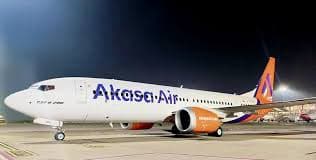
Akasa Air’s Fleet Expansion Marks a New Milestone
India's dynamic airline Akasa Air recently welcomed its 31st Boeing 737 MAX 8-200, signaling a bold surge in its growth trajectory. This latest aircraft comes equipped with bespoke Safran Z200 seats, designed for enhanced passenger comfort and efficiency, further underscoring the airline's commitment to modernizing air travel standards.
Comfort Meets Innovation
The Boeing 737 MAX 8-200, registered VT-YBH, arrived at Bengaluru's Kempegowda International Airport in December 2025. This specific model is tailored with the next-generation Safran Z200 seats, offering a 4-inch recline, ergonomically contoured backrests, and improved cushioning. Adding to passenger convenience are dual charging ports – USB-C and USB-A – catering to today's traveler's digital lifestyle. This fusion of comfort and sustainability is achieved through modern materials and cutting-edge construction techniques.
Strategic Growth Plans
Since its launch in August 2022, Akasa Air has not only expanded rapidly but also set ambitious plans for the next seven years, targeting a fleet size of 226 Boeing 737 MAX aircraft in total. This vision aligns with India’s growing domestic and international air travel demand and highlights Akasa Air's readiness to meet it with efficiency and passenger-centric innovation.
📚 You may also like
Historical Context: The Evolution of Civil Aviation in India
India’s aviation landscape has undergone remarkable transformation over recent decades. Once characterized by restrictive airspace policies and a duopoly by state-owned airlines, it has now embraced liberalization that fuels growth. The opening of skies to private carriers and foreign airlines, alongside the modernization of airports, has catalyzed the rapid evolution of air connectivity.
The reform measures facilitated infrastructure expansion and increased competition, which paved the way for newer entrants like Akasa Air. The emergence of low-cost carriers revolutionized travel patterns, democratizing access to air travel across the country. Data shows that international and domestic air traffic have seen double-digit growth rates, underscoring this sector's vital role in connecting India’s vast geography and rising middle class to the world.
Key Factors in Aviation Growth
- Infrastructure Development: Modernization of over 30 non-metro airports eased travel demand across regions.
- Policy Liberalization: Private sector participation and eased bilateral agreements opened new routes and markets.
- Technology and Fleet Modernization: Introduction of fuel-efficient, passenger-friendly aircraft like the Boeing 737 MAX.
- Passenger Demand: A growing middle class and increased outbound travel contribute to soaring demand.
India’s Civil Aviation: A Bright Outlook
The trajectory of India’s civil aviation sector indicates sustained and robust growth. With estimates projecting passenger traffic to potentially reach 100 million by the early 2030s, the demand for modern aircraft and innovative service models is set to intensify. Airlines with large, fuel-efficient fleets will be well-positioned to capitalize on the expanding market.
Projected Growth Indicators Table
| Year | Domestic Passengers (millions) | International Passengers (millions) | Total Passenger Traffic (millions) |
|---|---|---|---|
| 2025 | 70 | 40 | 110 |
| 2030 | 90 | 55 | 145 |
| 2035 | 115 | 70 | 185 |
The increasing accessibility of airports beyond the traditional mega-cities is expected to diversify travel patterns while supporting tourism flow to emerging destinations across the country.
Implications for Maritime Travel and Coastal Tourism
While Akasa Air’s announcement centers on aviation, the surge in connectivity and travel demand has ripple effects on maritime and coastal tourism. Improved air accessibility to coastal cities often leads to higher tourist inflow to beach destinations, boosting demand for sailing and yacht charters in nearby waters.
For those venturing to India's famous waterfronts and gulfs, the expanded networks facilitate convenient transfers from airports to marinas and sailing hubs. This synched growth in air and water transport sectors enhances overall visitor experience, providing smooth transitions from sky to sea.
How This Influences Yacht and Boat Charter
- Increase in tourist arrivals stimulates demand for yacht rentals, especially in seaside hotspots.
- Greater connectivity allows for expansion of charter activities linked to airports and coastal gateways.
- Modern travelers expect seamless travel, hence facilities like marinas get upgrades complementing new air routes.
- Sailing enthusiasts benefit from improved options as new destinations become viable with proper transport links.
Conclusion
Akasa Air's induction of its 31st aircraft with the Boeing 737 MAX 8-200 marks a pivotal chapter in India’s aviation growth story. Its passenger-focused innovations and fleet expansion plans signal a robust response to India’s booming travel demand. This dynamic growth reflects broader trends in the country’s civil aviation reforms and infrastructure modernization.
The strategic expansion not only revamps domestic and international connectivity but also indirectly supports related industries such as coastal and marine tourism. Increased accessibility to beach resorts and waterfront destinations resonates with higher interest in sailing, yacht charters, boating activities, and marine leisure pursuits.
For travelers and adventurers alike looking to explore India's stunning coastal waters and lakes, the evolving transport landscape promises seamless journeys from sky to sea. Services such as GetBoat.com offer an international marketplace for renting sailing boats and yachts, providing diverse options for enthusiasts to enjoy superyacht and boat charters tailored to every taste and budget.


