Surge in Flights and Hotels Fuels Summer Travel
Alexandra
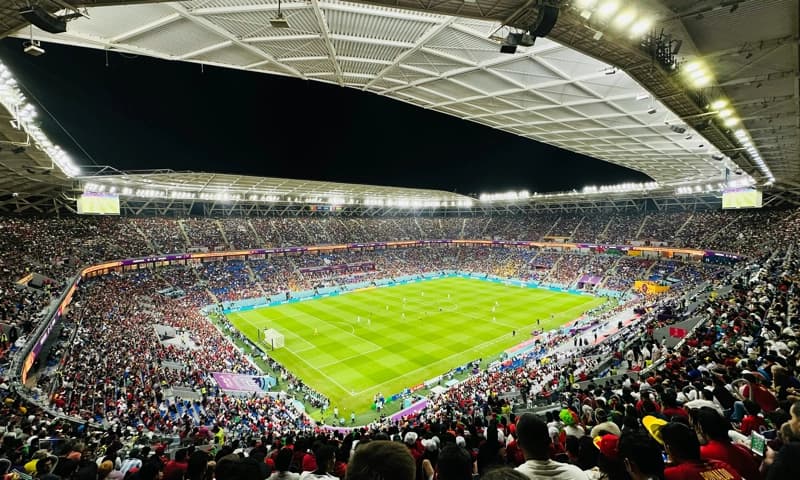
Total airline bookings to the United States, Canada, and Mexico for travel during June 5–July 19 have increased by 15% year‑on‑year, driven by both domestic and international passengers preparing for the FIFA World Cup 2026 period. Following the match schedule release on December 6, roughly 37% of tournament‑period flight reservations were made within the subsequent month.
Market patterns and international demand
International demand is concentrated: travelers from the United Kingdom account for approximately 18% of all foreign bookings into the three host nations for the tournament window. Specific route spikes illustrate fandom-driven logistics — for example, bookings between Scotland and Boston for travel during the tournament rose roughly 162× in December 2025 versus December 2024 after Scotland drew Haiti to play at Gillette Stadium on June 13. England‑to‑New York/New Jersey bookings were about 3.5 times higher than the prior year as England prepares to face Panama on June 27.
Host‑city hotel occupancy: a snapshot
Across host cities, hotel occupancy around match days is climbing markedly. Vancouver’s average summer occupancy moved from 31% last year to 53% for comparable dates this year. Toronto’s occupancy for its five group matches rose from 15% to 29%. Mexico City — hosting the opening match on June 11 — shows occupancy around group nights at 21%, up from 4% in the prior year.
📚 You may also like
| Venue | Occupancy (Prior Year) | Occupancy (Current) | Change |
|---|---|---|---|
| Vancouver | 31% | 53% | +22 pts |
| Toronto | 15% | 29% | +14 pts |
| Mexico City | 4% | 21% | +17 pts |
| Guadalajara | 3% | 24% | +21 pts |
| Monterrey | 3% | 37% | +34 pts |
Logistics implications for transport and hospitality
When occupancy and air lift rise in tandem, the strain shifts from pure availability to operational logistics: airport ground handling, shuttle and coach fleets, taxi and rideshare capacity, and last‑mile transfers to marinas and outlying venues. Across 16 stadium venues, the average hotel occupancy on the eve and day of group‑stage matches has climbed from 16% to 29% as of early January.
Operational pinch points to watch
- Transfer capacity: Increased coach and shuttle demand between airports, key hotel clusters, and stadiums.
- Marina access: Local marinas and berth space may see higher transient bookings as fans seek alternative transport by water or private charters.
- Staffing and supply chains: Hospitality staffing, catering deliveries, and laundry rotations will need scaling to meet peak nights.
- Air connectivity: Short‑notice route additions and chartered flights could change gate and ground handling schedules.
What this means for boating, charters and local yachting
Higher passenger flows ashore often ripple into the marine sector. In host cities with coastal access or major lakes, demand for yacht charters, day‑boat rentals, and private transfer by water can surge as fans look for scenic hospitality packages or private viewing parties. Smaller marinas may see increased transient calls, while operators of superyacht and mid‑size charters may be asked to provide event logistics, corporate hospitality, or shuttle services.
Practical tips for boat owners and charter firms
- Anticipate higher berth requests; consider temporary dock extensions or mooring coordination with local authorities.
- Offer packaged experiences: match‑day transfers, hospitality cruises, and fishing trips that start or end at key marinas.
- Coordinate with land transport providers to offer combined dock‑to‑stadium itineraries.
- Ensure compliance with local port regulations and event security protocols well in advance.
Data interpretation and forward view
With many qualifiers set and fixtures established, the market shows concerted planning behavior rather than last‑minute scrambling. Analysts note that expanded tournament format and tri‑nation hosting traditionally lifts attendance and regional travel. Amadeus’ travel intelligence indicates continued upward pressure on both flight bookings and hotel occupancy leading into the tournament period.
Related operational notes
- Expect charter flight and private aviation inquiries to rise around key fixtures.
- Hotels near marinas and waterfront districts should coordinate with marina managers for guest transfer options.
- Event planners may prefer bundled offerings (hotel + boat charter + local activities) to capture premium spend.
To wrap things up: airline bookings to the US, Canada, and Mexico are up 15% for the tournament window, UK travelers make up a sizable share of international demand, and host cities show double‑digit occupancy gains around match days. Operational logistics—from airport transfers to marina capacity—will be tested, and the boating sector stands to benefit by offering targeted charters and water‑based hospitality. In short, this surge affects not only flights and hotels but also yachts, charters, boats, beaches, rents, lakeside and coastal activities; captains, marinas, and superyacht operators should ready offers as fans bring the sea and sun closer to the stadiums.


