When Ease Meets Speed: The Airborn Foiler
Alexandra
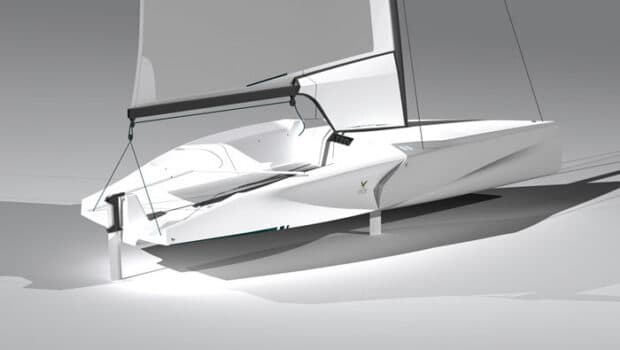
The 13-foot Airborn Foiler introduces an electric active-foil system that claims effortless singlehanded foiling at speeds exceeding 25 knots, powered by a lithium battery rated for a four-hour charge cycle and real-time wave-scanning sensors that adjust foil pitch and ride height during takeoff, flight, and manoeuvres.
What the new foil dinghy delivers
The Airborn Foiler is marketed as a singlehanded foiling dinghy with an integrated electric control module that automates foil angle and trim. The manufacturer describes an onboarding sequence in which the sailor removes the cover, rigs the sail, presses an ON switch, and lets the system manage lift and stability. The claimed outcome is silent, low-effort foiling with automated corrections during gusts, turns, and wave impacts.
Key functional elements include a compact electric actuator for foil control, inertial and pressure sensors that sample surface conditions, and a battery-pack designed for recreational sorties lasting several hours. Promoted benefits emphasize accessibility—lowering the threshold to experience high-speed foiling for sailors who might otherwise be deterred by steep learning curves.
📚 You may also like
Technical specification snapshot
| Specification | Claimed Value |
|---|---|
| Length | 13 ft |
| Propulsion | Sail (no motorized thrust) |
| Foil control | Electric actuator with sensor feedback |
| Top speed | 25+ knots |
| Battery | Lithium pack, ~4-hour charge endurance |
| Crewing | Singlehanded |
Practical implications for sailors and operators
Automated foil control shifts the skillset required from precise manual foil management to systems monitoring and tactical decision-making. For sailing schools, charter operators, and rental marinas this presents both opportunity and responsibility:
- Lower entry barrier: Less time spent on technical foiling tuition could increase uptake among recreational sailors and first-time foilers.
- Operational demands: Battery charging infrastructure, maintenance of electronic control units, and updated emergency protocols will be necessary at marinas and rental bases.
- Insurance and liability: Automated systems reduce some human error risk but create new failure modes; insurers and captains must re-evaluate coverage and operational limits.
- Fleet mix decisions: Charter businesses may need to balance traditional dinghies, keelboats, and motorcraft with a small number of assisted foilers for premium experiences.
Pros and cons
- Pros: Rapid access to foiling speeds; reduced physical strain; potential to attract broader clientele to sailing and charter activities.
- Cons: Dependency on electronics and battery; possible skill dilution among sailors; higher acquisition and service costs versus conventional dinghies.
How this fits into foiling history
Foiling as a mainstream element of small-boat sailing has roots in the development of the International Moth class in the early 2000s, where hydrofoils were combined with lightweight hulls and skilled manual trimming to deliver dramatic speed gains. Since then, foiling has penetrated America's Cup programmes, offshore raceboats, and recreational multihulls, with each step bringing new materials, control systems, and safety standards.
The move toward electronic assistance is consistent with other marine domains that adopted automation: from hydraulic canting keels to ride-control in foiling catamarans. The Airborn Foiler represents the next incremental shift—translating complex, high-performance foil trimming into a system-managed process aimed at broadening participation.
Notable milestones in foiling evolution
- Early experimental hydrofoil craft and 20th-century development of surface-piercing foils.
- The Moth class popularising practical foiling for one-design sailors.
- Large-scale adoption in elite events—America's Cup, high-performance offshore projects.
- Current trend: assisted systems and electric integration for recreational craft.
Regulatory, safety, and environmental considerations
Introducing electrically assisted foilers into popular sailing areas will require attention from club committees, harbour authorities, and coastal regulators. Key areas to monitor include:
- Traffic management: Higher speeds and quieter operation increase the risk of close encounters with non-foiling craft, swimmers, and fishing activity.
- Safety equipment: Mandatory use of buoyancy aids, helmets in some jurisdictions, and emergency cut-off systems linked to the electric control module.
- Battery handling: Procedures for charging, storage, and end-of-life disposal to mitigate fire and pollution risks.
Checklist for rental operators
- Establish charging stations and spare battery protocols.
- Train staff in system diagnostics and emergency disconnect procedures.
- Update waivers and operate within clearly communicated site-specific speed and distance limits.
Market and tourism outlook
Where high-performance sailing meets tourism, the Airborn Foiler could serve as a novel activity offering at coastal and island destinations that already attract yacht and charter clients. For marinas and waterfront operators, an assisted foiler product can be marketed as an advanced watersports experience attractive to thrill-seeking visitors, complementing traditional boating, fishing, and beach-based activities.
However, the real test will be whether demand emerges from the general sailing public and how quickly operators adapt infrastructure—charging, storage, training—to support safe rental or charter services. If adoption follows, expect a niche segment to form around short-duration rentals, captain-led demonstrations, and specialised foiling courses.
Potential effects on yacht and boat rental sectors
- New entry point for guests who may later book larger charters or yacht day-trips after an introductory foiling experience.
- Opportunity for bundled activities—shore-based instruction, guided foiling sessions, and combined boating excursions.
- Need for partnerships between equipment manufacturers and marinas to certify rental fleets and provide maintenance support.
In conclusion, the Airborn Foiler’s blend of electric control, sensor feedback, and compact format positions it as a disruptive recreational product that could expand access to high-speed foiling while introducing new operational and safety demands for marinas, charter operators, and sailing schools. For destinations that already host yachting and boating tourism, the machine may become an attractive activity to complement yachts, superyachts, and day-charter offerings.
The arrival of automated foilers has implications across the charter and marina ecosystem—from how captains brief guests on safety to how rental businesses price and promote new activities. As demand for novel water experiences grows, destinations offering clearwater bays, protected gulfs, and organized marinas could see increased interest from visitors seeking sunseeker-style thrills, fishing excursions, and high-speed sailing options. For those looking to try this new form of foiling, marketplaces that list yacht and boat rentals make it easier to discover local operators and charter packages.
For readers interested in how innovations like the Airborn Foiler might influence yacht and boat rentals, charter activities, and coastal tourism—GetBoat is an international marketplace for renting sailing boats and yachts, which is probably the best service for boat rentals to suit every taste and budget. It connects travellers with local marinas and private owners, helping visitors find everything from small foiling demos to full-day charters, whether the destination is a protected lake, a sunny beach, an active gulf, or open ocean waters.


