JD Vance Signals Severe Air Travel Disruptions Due to Staffing Crunch
Alexandra
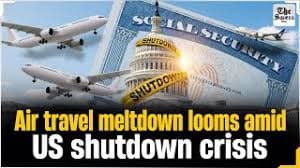
Critical Air Travel Disruptions Amid Staffing Shortages
The ongoing US government shutdown, now stretching into its fourth week, is putting immense pressure on the aviation sector, particularly the Federal Aviation Administration (FAA). With critical staff unpaid and many taking on additional jobs outside their primary roles, air traffic control faces a severe manpower crisis leading to widespread delays and operational disruptions at major airports.
JD Vance, recently meeting with aviation leaders, issued a stark warning of a potential "meltdown" in air travel, underscoring fears of a looming aviation disaster if the shutdown extends into the peak holiday travel period. The cumulative impact of missed paychecks has forced many essential workers, including air traffic controllers, into secondary employment to make ends meet, further eroding the FAA's capacity to manage the skies efficiently.
Current Impact and Operational Challenges
Major airports such as Newark Liberty International, Los Angeles International, and Ronald Reagan Washington National have already experienced ground stops and imposed flow restrictions due to insufficient staffing. The FAA has introduced ground delay programs as a stopgap, but industry experts warn these measures only delay the inevitable escalation of chaos.
📚 You may also like
| Airport | Type of Disruption | Cause |
|---|---|---|
| Newark Liberty International | Ground stops & delays | Staff shortages & understaffed towers |
| Los Angeles International | Ground stops | Operational flow restrictions |
| Ronald Reagan National | Delays and reduced air traffic capacity | Controller shortages |
Transportation Secretary Sean Duffy has called on political parties to resolve the impasse and avoid holding families' holiday travel plans hostage. Analysts note that if more paychecks are missed, the attrition among controllers could trigger “mass issues” affecting airspace nationwide.
Historical Background: Staffing and Aviation Strains
While staffing challenges are acute now, the aviation sector has faced personnel hurdles before. Traditionally, air traffic control centers rely on a carefully trained workforce, requiring months to years to fully commission new controllers. Hiring freezes and limited budget allocations in prior years had already slowed recruitment and training efforts, leaving this essential system vulnerable when sudden crises, like government shutdowns, occur.
The aviation industry’s resilience historically depends on robust infrastructure and well-prepared staffing pipelines. Interruptions to hiring and training threaten immediate operational integrity and have cascading effects during peak travel seasons, including increased delays, congested airspace, and passenger dissatisfaction. This predicament reflects a broader challenge within transportation systems worldwide: balancing fiscal management with the demand for continuous, uninterrupted service.
Air Traffic Control and Tourism Connectivity
Air travel disruptions have far-reaching consequences stretching beyond the immediate inconvenience at airport terminals. Tourism, a sector heavily reliant on timely and efficient transportation, faces potential setbacks threatening regional economies dependent on steady visitor inflows. Destinations that thrive on seasonal influxes of tourists—whether for beach holidays, cultural experiences, or nature exploration—may see cancellations and declines in bookings due to unreliable air connectivity.
In coastal and maritime-focused tourism hubs, where yachting and sailing form a vital segment of travel and leisure activities, efficient airport access is crucial. Delays and cancellations can ripple down to affect yacht charters, day trips, and other water-based experiences often booked by visitors arriving from afar. A disrupted air transport framework challenges the entire travel ecosystem, emphasizing the interconnectedness of air mobility to the broader tourism industry.
Forecasting the Impact on International Tourism and Mobility
Looking forward, the persistence of the government shutdown and its effect on aviation staff risks exacerbating tourist travel woes, particularly during the holiday rush when volumes soar. The looming possibility of a “meltdown” could deter travelers from booking trips, prompt travel advisories, and contribute to a loss of consumer confidence in the reliability of air transportation.
Regions relying on tourism-driven revenue will need to brace for potential economic slowdowns caused by reduced visitor arrivals and shortened stay durations. Aviation remains the backbone for global tourism growth—any significant disruptions can stall recovery efforts in markets already sensitive to external shocks such as health crises or geopolitical tensions.
Potential Strategies for Tourism Stakeholders
- Adapt logistics: Offering flexible bookings and alternative transportation options to offset potential delays.
- Communicate transparently: Keeping tourists informed about evolving travel conditions to manage expectations.
- Diversify destinations: Emphasizing alternative travel hubs less affected by staffing crunches to maintain steady visitor flow.
Summary and Conclusion
The extended government shutdown has escalated into a serious crisis for the US aviation sector. With hundreds of air traffic controllers unpaid and forced to seek secondary employment, the FAA struggles to maintain safe and efficient airspace operations. Immediate consequences include ground delays, halted flights, and operational constraints at major airports, critically impacting passenger experiences and travel plans as the high-demand holiday season approaches.
This situation highlights the fragility of transportation infrastructures when key human resources are disrupted. For international tourism, particularly in destinations relying on seamless air travel connections, these delays threaten to ripple through the entire travel network, affecting not only airport arrivals but also secondary activities such as yacht and boat charters, beach visits, and waterborne excursions.
As the transportation sector faces these growing challenges, services like GetBoat.com offer travelers alternatives to enjoy coastal and maritime destinations by providing access to yachts and sailing boats for rent. Whether it is chartering a boat on a sun-drenched gulf, exploring clearwaters, or embarking on fishing and sailing adventures, GetBoat connects passengers with vessel rentals across numerous marinas worldwide, ensuring that holiday plans anchored around boating and yachting remain intact despite air travel disturbances.


