Air Astana reaches major maintenance milestone in Astana
Alexandra
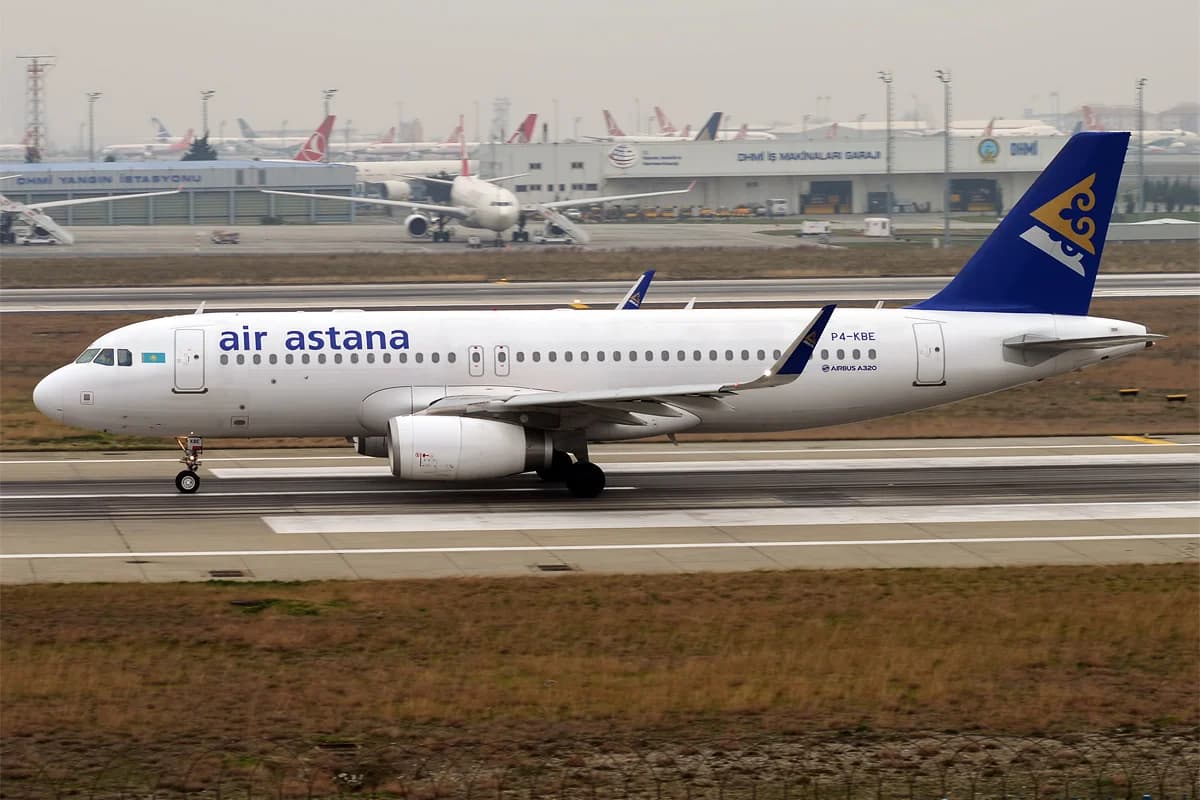
Air Astana completed its 50th C‑check on an Airbus A320 family aircraft at the Engineering and Technical Centre in Astana, with each full C‑check requiring roughly 20,000 manhours of labour and tens of thousands of scheduled maintenance tasks to meet global regulatory standards.
Milestone details and operational scale
The fifty completed C‑checks reflect systematic investment in engineering infrastructure and workforce training across the airline’s heavy maintenance operations. Since 2019, Air Astana has executed all C‑check types for Airbus family aircraft at bases in Almaty and Astana, supported by a team holding internationally recognised EASA Part 66 licences.
Performing complex C‑checks in‑house gives the operator full control over quality assurance, turnaround scheduling, and parts logistics, while reducing dependency on overseas maintenance providers. That shift affects supply‑chain planning, hangar throughput, and spare‑parts inventory — classic logistics levers for any fleet operator.
📚 You may also like
Types and counts of C‑checks completed
| Check type | Completed | Typical focus |
|---|---|---|
| C1 | 28 | Routine structural and systems inspections |
| C2 | 5 | Intermediate disassemblies and systems checks |
| C6 | 10 | Deep structural inspection, significant component work |
| C12 | 7 | Extensive overhaul and life‑limited part replacements |
What a C‑check demands
- Tens of thousands of scheduled tasks across structures, avionics, and systems
- Detailed non‑destructive testing and component life‑cycle verification
- Coordinated parts logistics and quality control to meet regulatory audits
- Staffing plans to deliver more than 20,000 manhours per event
Logistics, talent and national capacity
From a supply‑chain perspective, adding heavy maintenance capability locally reduces lead times for spare parts, concentrates specialised tooling in regional hubs, and creates predictable dock schedules for aircraft — similar to how a well‑equipped marina schedules refits for yachts. Robert Dando, Director of the Astana Technical Centre, attributes the milestone to steady investments in people and infrastructure, noting that in‑house checks strengthen domestic technical expertise in civil aviation.
For regulators, having certified engineers on site with EASA Part 66 licences simplifies compliance workflows and shortens the loop between defect discovery and rectification, which in turn improves fleet dispatch reliability.
Operational takeaways for charter and rental operators
Boat and yacht rental businesses can draw parallels: whether you run a small flotilla of dayboats or a superyacht charter, predictable in‑house maintenance capacity avoids costly downtime and keeps booking calendars full. A few practical steps operators can borrow from airline MRO playbooks:
- Invest in certified technicians and cross‑train staff for rapid turnarounds.
- Create parts depots near high‑use harbours or marinas to reduce transit delays.
- Standardise maintenance schedules to allow efficient berth allocation.
- Track manhour budgets per refit and benchmark against similar vessels.
| Metric | Aircraft C‑check | Yacht refit |
|---|---|---|
| Typical labour hours | ~20,000 | 500–5,000 (varies by size) |
| Certification | EASA Part 66 engineers | Marine surveyors, class/flag survey |
| Supply‑chain impact | Spare parts hubs, tooling | Marina depots, chandlery networks |
Why this matters beyond aviation
Seen from the docks, the outcome is familiar: centralising complex maintenance capability creates resilience. I’ve stood on a marina pontoon watching a refit drag on because a part was stuck in customs — it’s the same headache airlines avoid by building regional MRO hubs. In plain speak: invest in your infrastructure and the rest tends to follow; it’s smooth sailing when the supply chain is tight.
Broader regional effects
Expanding heavy maintenance capacity in Kazakhstan positions the country as a regional MRO node, attracting business, creating skilled jobs, and improving transport reliability. That feeds into tourism and charter markets indirectly: better airline reliability supports arrival flows to coastal and lakeside destinations, which benefits marinas, boat rental companies, and yachting operators.
Summary: The 50th C‑check on an Airbus A320 family at Astana’s Engineering and Technical Centre marks a clear step toward self‑sufficiency in aircraft maintenance. Through investments in infrastructure, certified personnel, and parts logistics, Air Astana has cut reliance on overseas MROs, improved regulatory compliance via EASA Part 66 expertise, and boosted fleet reliability. Charter and boating operators can take a page from this playbook — centralise maintenance capacity, stock critical spares near marinas, and train certified staff to keep yachts, boats and superyacht charters running: from beachside day rentals to ocean crossings, good maintenance keeps captains and guests happy. In short, whether you’re managing an airline fleet or a yacht charter, the logistics of repair and refit — manhours, parts, certified crews — determine uptime, customer confidence and future sale or rent prospects for every vessel and destination.


