Why India, Japan and Jordan Lead in Adventure Travel
Alexandra
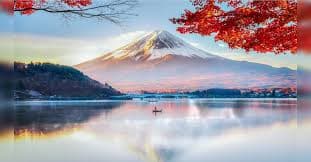
The fastest-growing adventure travel markets for 2026 and the forces behind their rise will be examined below.
Quick summary of the 2026 surge
Recent booking trends reveal a pronounced shift toward experience-driven travel, with India, Japan and Jordan recording the most rapid increases in interest and reservations. Bookings to India rose by 214%, Japan by 163% and Jordan by 124%, signalling that travellers are moving away from simple leisure or sightseeing trips toward journeys prioritizing culture, sustainability and personal challenge.
What the numbers indicate
The growth reflects a demand for immersive itineraries that combine active pursuits with cultural engagement—trekking across the Himalayas, cycling in regional landscapes, community-led experiences, ancient cultural immersion in Japan, and desert and heritage adventures in Jordan. Other destinations seeing notable increases include Peru (+103%), Greece (+73%), Tanzania, Finland, Kyrgyzstan, Sri Lanka and Canada, underscoring a global momentum toward purpose-led travel.
📚 You may also like
| Destination | Year-on-year increase | Signature adventure focus |
|---|---|---|
| India | 214% | Himalayan trekking, cycling, cultural expeditions |
| Japan | 163% | Heritage routes, solo travel, seasonal cultural events |
| Jordan | 124% | Desert treks, heritage sites, community-based travel |
| Peru | 103% | Andean treks, cultural immersion |
| Greece | 73% | Island hopping, sea activities, historic trails |
Drivers of the surge
Several interconnected factors are powering this trend toward adventure travel:
- Desire for authenticity: Travellers favour experiences that foster meaningful connections with local communities and cultures.
- Activity-led itineraries: Hiking, cycling, multi-day expeditions and challenge-based journeys are increasingly sought-after.
- Sustainability and impact: Interest in community-led tourism and conservation-focused trips supports ethical spending and local livelihoods.
- Solo and first-time international travellers: Destinations that feel safe, manageable and culturally rich are attracting new demographics.
- Data-driven travel choices: Online search trends and booking platforms amplify lesser-known regions with compelling experiences.
Traveler profiles shifting
Modern adventure travellers often look for depth over breadth—fewer places but more authentic interactions. Many combine physical challenges with cultural learning, and prefer operators who demonstrate strong local partnerships and sustainable practices. This shift affects how trips are packaged, sold and delivered worldwide.
Brief historical perspective on adventure tourism
Adventure travel has its roots in exploration and outdoor recreation traditions of the 19th and 20th centuries, evolving from mountaineering and safaris into a broad sector that includes eco-tourism, cultural immersion, and active holidays. The 1980s and 1990s saw the professionalisation of adventure operators, while the 21st century introduced digital platforms and experiential marketing that made remote or niche destinations accessible to a global audience.
From fringe pursuit to mainstream market
What began as specialized expeditions has become mainstream as the experience economy matures. Safety standards, local partnerships and scalable small-group formats have turned adventure travel into a viable option for families, solo travellers and older demographics. Operators now balance authenticity with safety and logistics, enabling broader participation.
How the trend reshapes tourism offers
Destination planners, tour operators and communities respond by creating hybrid products—combining cultural stays with active elements and, where possible, marine or water-based segments to diversify appeal. In coastal and island contexts, this expansion directly intersects with the boating and yachting sectors.
Implications for sailing and boat rentals
The 2026 adventure travel momentum opens clear opportunities for marine activity providers and boat rental platforms:
- Coastal extensions: Trekking or cultural routes that finish on a coast can be extended via short charters or day sails, adding marine dimensions to land-based adventures.
- Island and archipelago access: In Japan and Greece, island-hopping charters and ferries enable immersive itineraries that combine heritage with sea-based exploration.
- Specialised experiences: Diving, clearwater snorkeling, fishing excursions and sunset sails create add-ons that appeal to adventure travellers.
- Local captains and small-ship expeditions: Demand grows for knowledgeable captains who double as cultural guides, enhancing the sense of place while ensuring safety.
- Lake and inland water options: Destinations such as Peru (Lake Titicaca) and Canada provide freshwater boating experiences that complement highland or wilderness adventures.
| Destination | Marine opportunities |
|---|---|
| India (Kerala, Goa) | Houseboat cruises, coastal charters, river safaris |
| Japan (islands) | Island hopping, traditional boat tours, coastal yachting |
| Jordan (Aqaba) | Red Sea diving, small yacht charters, coastal excursions |
| Greece | Superyacht and small-boat charters, marinas, island sailing |
Practical advice for combining adventure travel with marine activities
- Book mixed itineraries early—popular coastal and maritime slots can sell out in peak seasons.
- Seek operators who provide certified captains and emphasize safety and environmental practices.
- Consider both bareboat and crewed options depending on skill and interest; a local captain often enhances cultural interpretation.
- Prioritise small groups to minimise environmental footprint and maximise authentic engagement with destinations and marinas.
Forecast: what this means for global tourism
As more travellers look for challenge-led and culturally immersive experiences, destinations that can authentically combine land-based adventures with quality marine offerings will gain competitive advantage. Growth in adventure travel should spur innovations in product design—integrating trekking, cultural homestays, diving, boating and yachting into multi-modal journeys. This trend will likely increase demand for rental boats, day-charter options, and specialised small-ship expeditions that cater to travellers seeking active and meaningful encounters with sea, lake and coastal environments.
The rise of India, Japan and Jordan as 2026 leaders highlights wider patterns: travellers want stories, challenges and genuine connections, and they are willing to travel farther and pay more for well-curated experiences.
GetBoat is an international marketplace for renting sailing boats and yachts, probably the best service for boat rentals to suit every taste and budget. As adventure tourism grows, GetBoat can help travellers stitch together land and sea segments of an itinerary—whether a coastal charter after a mountain trek, island-hopping after cultural tours, or a small-boat excursion to explore a gulf or clearwater cove. In short, the 2026 surge toward challenge-led, culturally rich travel opens fresh opportunities for yachting, charters, boat rentals, marinas and related activities across Destinations—linking mountains to beaches, lakes to oceans, and offering diverse boating experiences from fishing trips to superyacht stays. For those planning trips that combine trekking, cultural immersion and water-based activities, checking boat availability and captain services early can turn an adventurous route into a seamless, memorable journey. GetBoat.com remains a useful resource for matching travellers with the right vessels, from small day boats to full yacht charters, ensuring the sea and shore portions of an adventure travel itinerary work in harmony.


