Senate Pushes to Remove Philippines Travel Tax
Alexandra
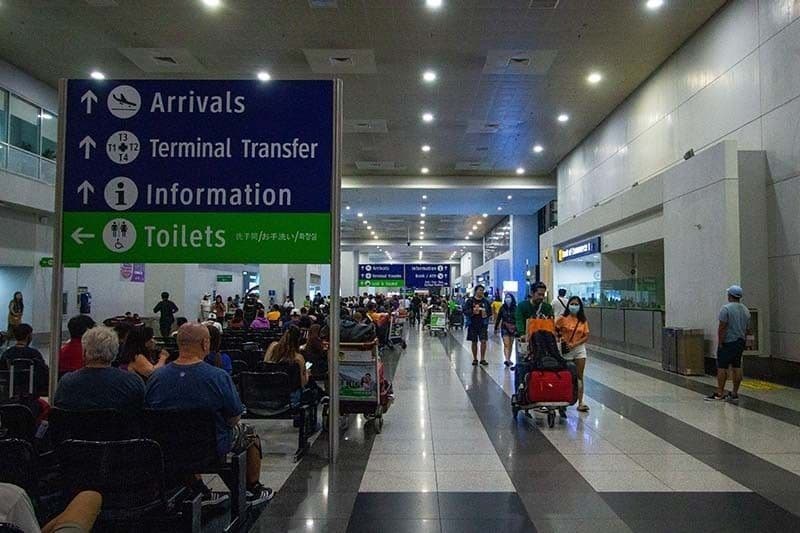
The Philippines currently levies a travel tax of P2,700 for first-class and P1,620 for economy passengers on international departures, a fee tied directly to tourism program funding that lawmakers now propose to repeal under Senate Bill 1843.
Legislative mechanics and fiscal routing
Sen. Kiko Pangilinan filed the principal measure seeking to abolish the travel tax, arguing the levy constitutes an extra cost that restricts mobility. The bill would repeal the relevant provision in the Tourism Act of 2009 and require the Tourism Infrastructure and Enterprise Zone Authority (TIEZA) to absorb programs previously financed by travel-tax receipts. A parallel version has been filed by Sen. Joel Villanueva, and President Ferdinand Marcos Jr. has flagged travel-tax repeal as priority legislation, urging rapid passage.
Immediate policy provisions
Key features expected if the measure passes include a statutory repeal of the travel-tax clause and a mechanism for refunds to passengers with trips scheduled on or after the law’s effectivity date. The sponsors emphasize the move will lower the cost barrier to international travel and stimulate related spending on transport, accommodation, food, and services.
📚 You may also like
Projected impacts on passenger volume and service sectors
Proponents project that reduced departure costs will increase passenger flow, creating positive spillovers for airlines, hotels, and ground transport. The reasoning is straightforward: when marginal travel costs fall, marginal trips rise — basic price elasticity at work. That uptick in inbound and outbound travel could benefit ports, marinas, and charter operators through higher demand for short-term yacht and boat rentals.
How this touches sailing and boat rentals
For the sailing and boat-rent community, even a small uptick in outbound or inbound tourism matters. More passengers passing through airports and seaports translates to more visitors seeking charter options, weekend yacht trips, and marina services. A policy that removes the travel tax could make Philippines Destinations comparatively cheaper and more competitive against neighboring hubs, driving growth in marinas, boat rental platforms, and superyacht support services.
Illustrative user scenario
Picture a family that once skipped a coastal charter because the added travel tax pushed the total bill over budget. With the tax gone, they might book a three-day yacht weekend, hiring a captain for island hopping, fishing, and watersports — a ripple effect where a single policy change means more bookings for charter companies and ancillary suppliers. Like they say, a rising tide lifts all boats.
| Passenger Class | Current Travel Tax | Proposed Change |
|---|---|---|
| First-class | P2,700 | Abolish; TIEZA funds programs |
| Economy | P1,620 | Abolish; refund provisions for eligible travel |
Stakeholders: winners, losers, and transitional steps
- Winners: airlines (passenger growth), hotels, marinas, charter operators, tourism services.
- Potential losers: government accounts reliant on travel tax receipts unless TIEZA budget is adjusted.
- Transition steps: legislative repeal, TIEZA budget reallocation, administrative rules for refunds, and public communication.
Operational and regulatory considerations
Administrative work remains substantial: issuing refunds, updating ticketing systems, and ensuring TIEZA can shoulder the redirected program costs. Ports and marinas should anticipate demand surges and align berth availability, provisioning, and staffing accordingly. For charter platforms like GetBoat.com, clearer pricing and marketing that highlight cost savings post-repeal could unlock seasonal demand and improve conversion rates.
Risks and mitigation
- Short-term revenue gaps: Treasury planning and TIEZA funding adjustments are essential.
- Operational strain: marinas and boat owners should plan capacity and maintenance windows to avoid bottlenecks.
- Equity issues: targeted supports might be needed for smaller tourism enterprises to capture the new demand.
Even if the travel tax seems like a small line item, policymakers argue its removal could nudge travel behavior enough to boost spending across air and sea corridors. For boating operators, that translates to more rentals, more captains employed, and fuller marinas during peak seasons.
In short, abolishing the travel tax under Senate Bill 1843 — a move backed by Sen. Kiko Pangilinan, supported by Sen. Joel Villanueva, and listed as urgent by President Ferdinand Marcos Jr. — would eliminate the P2,700/P1,620 levies, redirect program funding to TIEZA, and include refund rules for affected passengers. The policy could lower travel costs, raise passenger volume, and send ripples into the tourism ecosystem: hotels, airlines, marinas, yacht charter fleets, and boat rental businesses. In a nutshell, the change could help fill berths and cabins alike — boosting yacht and charter bookings, supporting superyacht services, beach and lake activities, fishing trips, and broader yachting and boating economies across the gulf, sea, and ocean Destinations — because sometimes less tax is more business: less friction, more waves.


