7 Essential Items to Leave Behind When Boating - What Not to Bring on a Boat
Alexandra
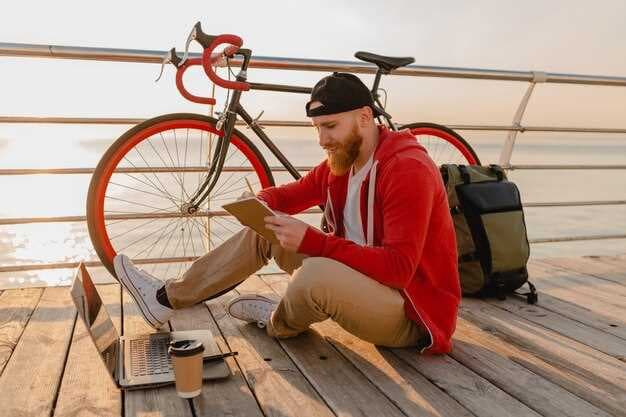
As you prepare for a day on the water, whether you're setting sail on yachts or fishing from smaller boats, it's crucial to consider what to bring along. However, it's just as important to know what to leave behind. The right choice can enhance your experience, allowing you to enjoy the beauty of the ocean or lakes without unnecessary clutter. Today, we'll explore seven essential items that you should avoid packing for your boating adventure.
You might be excited about your upcoming cruise or visiting marina properties in places like Florida or Michigan. While it’s tempting to pack personal accessories and items that may seem useful, remember that limited space on board can quickly turn into a chaotic situation. An organized boat gives you access to what matters most, ensuring your time on the water remains enjoyable and stress-free.
Many boating enthusiasts–whether they're locals or tourists–often forget that certain belongings hinder their boating experience. From heavy coolers to unnecessary hiking gear, recognizing what's not necessary allows you to focus on the essence of your journey. So before you head to the dock, let's dive into the specifics of what you should reconsider leaving behind for a more pleasant day afloat.
📚 You may also like
Items to Avoid Packing for Your Boat Trip
When planning a boat trip, it's essential to consider the limitations of space and the needs of safety. Many boat owners and operators emphasize following specific guidelines on what to pack. Here are key items you should leave behind, ensuring your journey on the waterways is enjoyable and practical.
First and foremost, avoid packing excessive clothing. While its tempting to bring multiple outfits for different events, space on a boat is limited. Usually, a few swimsuits, light layers for early mornings, and a single outfit for evening outings will suffice. Heavy winter clothing should also be left behind, as they are unnecessary during the warmer months of spring and summer.
Next, consider your food and drink selections. Some people might want to fill their coolers with perishable items. However, this can create a mess and attract unwanted attention from wildlife. Instead, focus on packing sealed snacks and drinks. Many marinas offer excellent food services, so you can find options easily without needing to bring a fully stocked pantry.
If you're renting equipment to enhance your adventure, like skis or fishing gear, it's generally wise to avoid bringing personal items unless you are certain they’re needed. Renting services often provide high-quality gear tailored to the area. A simple booking of these rentals is usually all that's needed to access ideal equipment without cluttering the deck.
Moreover, it's advisable not to overpack accessories. While sunscreen, sunglasses, and hats are essential, bulky items like large beach umbrellas can take up too much space. Always prioritize safety gear, such as life vests, and ensure that proof of licenses for any watercraft is in order. This will help prevent any issues or losses during your adventures.
Finally, avoid bringing electronics that aren’t necessary. While smartphones are great for capturing sunset views or checking the weather forecast, excessive gadgets can complicate your experience. Leaving behind items like gaming devices allows everyone to focus more on enjoying the lake and surrounding islands. Each event spent on the water is a chance to create lasting memories without distraction.
Heavy Electronics: Risks and Alternatives
Bringing heavy electronics on a boat can pose serious risks, especially when it comes to your safety and the integrity of the vessel. Heavy devices, like laptops and large cameras, can easily become damaged by water, salt, and movement. These items not only add extra weight but can also make it difficult to guard against potential accidents. Imagine a scenario where a sudden wave leads to a spill or a jolt, and your equipment slides off the table. Protecting your adventures means thinking critically about what connects with the world around you and planning accordingly.
Instead of lugging heavy electronics onboard, consider lightweight alternatives that still allow you to capture the beauty of your ocean or lakeside experiences. For instance, many smartphones today are equipped with high-quality cameras, capable of taking stunning images of sunsets or waterfront views without the need for bulky gear. Compact devices are often available for rentals, making it possible to enjoy photography without the burden of additional cost for heavy equipment. Adam’s company specializes in providing high-end, lightweight options, ensuring you can document your experiences without compromising on convenience.
- Use waterproof phone cases for added protection.
- Consider portable power banks instead of bulky chargers.
- Utilize digital storage for photos instead of heavy cameras.
- Rent gear like kayaks or paddleboards, which often come with built-in storage.
By following these guidelines and leaving heavy electronics behind, you're allowing yourself to fully immerse in urban events or explore remote islands without unnecessary distractions. With years of boating experience, captains advise that the lesser the load, the more enjoyable your outings will be. Think about what you truly need for your trip, and remember that adventures are best enjoyed when you're not weighed down by excess baggage.
Non-Waterproof Clothing: Why It Matters
When planning a boating trip, choosing the right clothing is essential. Non-waterproof clothing can quickly become a problem, especially if the weather changes unexpectedly. For those who love cruising around lakes or rivers, staying dry is crucial to enjoying the entire experience. Instead of using materials that absorb water, it's better to opt for waterproof alternatives to ensure comfort during boating adventures.
Imagine a sunny morning at the marina, with friends visiting from other cities, ready to charter a boat for a day of fishing. If one of them is wearing cotton that soaks up water, it can ruin the fun in an instant. They would spend the day feeling uncomfortable, which is the last thing anyone wants while enjoying a day on the water. The right clothes can make a significant difference in how you enjoy your time on the boat.
As the seasons change, so do the conditions on the water. In Florida, for instance, a warm, sunny afternoon might turn into an unexpected shower. Non-waterproof clothing can lead to chills in the early evening, making it less enjoyable for everyone on the boat. The last thing you want is a group of cold, wet friends after a day of fun.
Many boating trips take place around busy local areas such as Manhattans or on the Southeast's lakes, where the weather can change rapidly. Non-waterproof clothing becomes a liability in these environments. When renting or chartering boats, it is essential to consider how your clothing will react to splashes or rain to keep the day enjoyable.
Even during the busiest events, such as fishing tournaments, the last thing any participant wants is to be caught unprepared. Non-waterproof clothing cannot provide the necessary protection against the elements, thereby impacting performance and enjoyment. Owners of boat rentals will likely remind customers about the importance of proper clothing before heading out.
On trips planned with friends or family, everyone should consider what kind of gear to bring aboard. Non-waterproof materials not only make you uncomfortable but also weigh you down, reducing mobility on the boat. This can be especially problematic when navigating through busy docks or when multiple boats are coming in and out.
In conclusion, ensuring that you do not bring non-waterproof clothing when heading out boating is essential for a pleasant experience. A pair of waterproof shoes or a lightweight jacket can keep you dry during unexpected splashes or rain. Being prepared with the right gear allows you to focus on enjoying the views and planning your next trip rather than worrying about being soaked through. Whether out on the courts or fishing for trout, it makes a difference.


