


 English (UK)
  Русский
  العربية
  日本語
日本語  한국어
한국어  Magyar
  Türkçe
  Español
  Čeština
  Svenska
  Português
  Ελληνικά
  Suomi
Suomi  Nederlands
  Română
  Italiano
  Français
  Polski
  Українська
  Deutsch
  简体中文
简体中文  Slovenčina

Start with lemon-kissed octopus and crusty bread as the first course on your yacht charter to set a mediterranean mood, with a squeeze of lemon juice and a light cucumber salad for balance.
Next, embrace time-honored mediterranean favorites: skewers of charcoal-grilled meat with feta cheese and herbs. A simple meals menu of lamb or chicken, sprinkled with lemon and olive oil, keeps portions satisfying for guests under bright sun.
If youre seeking a vegetarian option, courgette ribbons on the grill with lemon and olive oil offer a fresh look on classic meze. A light spread of feta or a soft cheese adds creaminess without heaviness, and it fits neatly into a time-honored mediterranean rhythm on deck.
To keep flavors bright, find small seaside markets along your cruise and shop carefully for seasonal greens, tomatoes, and citrus. Over the years, Greek cooks have perfected simple spreads you can plate quickly, without worry, and the finished platter reflects the coast’s light and relaxed pace for guests.
For a polished finish, pair a light cheese plate with a lemon-olive oil drizzle and invite guests to look forward to the next course. Youre sure to hear compliments from your guests about the seaside vibe and the time-honored flavors Greece offers, served simply and without fuss.
Greece Yacht Charter Culinary Guide
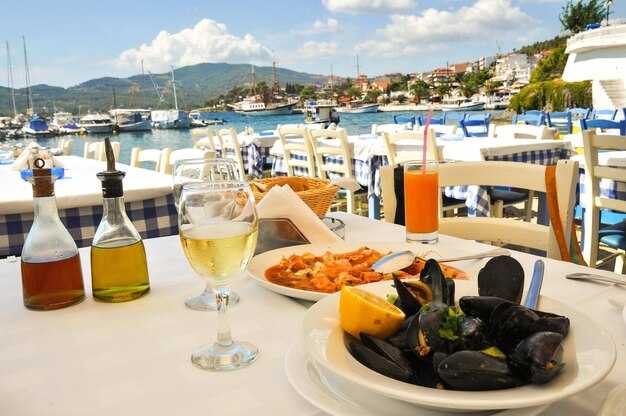
Try a must-try grilled octopus with lemon and oregano on your first night at sea.
Bring a compact spice kit and a bottle of white wine; throughout the trip, fragrant notes pair with seafood as you glide between historic harbours, which makes evenings unforgettable.
Sample a range of flavourful variations of Greek staples, from grilled fish and mussels to tzatziki-rich salads, each reflecting mediterranean herbs and delicate citrus.
theres a simple trick: visit a harbour bazaar to sniff olives, feta, honey, and fresh citrus; bring yourself small jars to savor later on deck. Just follow market stalls for the freshest bites, and you’ll carry those aromas into your next voyage.
Fishermen share tips on the best times for catching a bite, and you’ll feel the life of the sea in every plate.
On family charters, pick delicate, kid-friendly dishes and invite your family to help prepare a simple course from a market stroll; your crew will remember these meals long after you dock.
Grilled Octopus on Deck: marinades, timing, and plating tips
Marinate the octopus over a robust mix of olive oil, lemon, oregano, garlic, and a splash of red wine vinegar for 12–24 hours to maximize tenderness and bring out authentic, blue-salt flavors. Start with whole tentacles, trimmed and scored in layers to help flavors penetrate evenly, ensuring the whole piece stays juicy throughout.
Timing matters: simmer gently for 20–30 minutes until tender, then pat dry and grill over high heat for 2–3 minutes per side to build a crust and color without drying the flesh. Baste with the remaining marinade as you grill to keep everything glossy, rotate the tentacles for even charring, and finish by a brief rest to lock in moisture.
Plating tips: fan out the tentacles on a white plate with a blue rim, drizzle a touch of olive oil, and scatter feta crumbles and lemon zest for brightness. Add a small herb salad (oregano, dill) for a refreshing contrast. theres a hidden depth here: the smoky crust, the tender interior, and the salty finish echo authentic Greek cuisine. throughout dinner on deck, this dish pairs well with a crisp Ionian white and a simple bass or other local fish course. These techniques reflect local fishermen’s methods and the meticulous attention behind perfected flavors, drawing from kleftiko-inspired layers of flavor that delights everyone at the table.
How to Order the Day’s Fresh Catch for Lunch or Dinner
Order the day’s fresh catch for lunch or dinner by asking the galley to bring the whole bream, freshly caught over the blue waters, baked with herb and a bright lemon sauce for your charter voyage.
Think about prep when you place the order: which style you want–fried for a bite with crisp texture, or baked for layers of flavor. Decide whether you prefer the fish served whole or filleted, head on or off, and what sauce should accompany it.
Pair the catch with bright sides: ripe tomatoes, warm bread, and dips such as garlic yogurt. If the galley offers a Greek option, add a light moussaka portion to the same dish so everything sits on one plate.
Offer a practical setup: ask the chef to prepare everything to stay warm and to reflect the voyage–carefully check the timing for lunch or dinner. If youre chartering, tell the crew to time the service with your schedule, and bring extra lemon wedges; you can also note bakeries nearby for crusty bread.
That approach keeps the dishes balanced, your crew satisfied, and the mood aboard light as the sails. It reflects your taste, carefully planned for this voyage, with a bite that stays with you long after the plate is cleared.
Regional Seafood Highlights: Crete, Cyclades, and Ionian Dishes
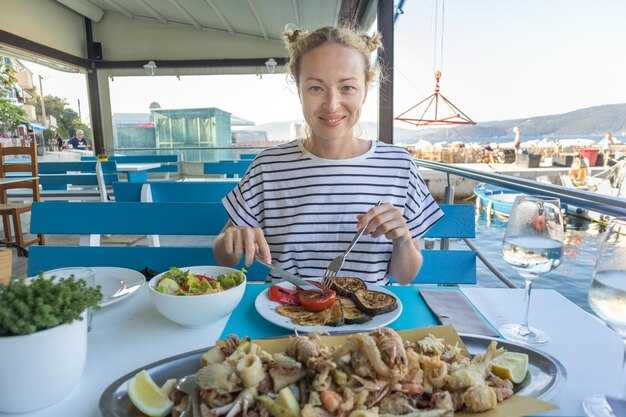
Try Crete’s grilled octopus with lemon, olive oil, oregano, and a pinch of sea salt as your first bite.
In Crete, coastal villages serve authentic, sea-kissed foods that rely on traditional ingredients. Marinated octopus, firm sardines, and garlic-herb dips showcase pure flavour and iconic tastes from the waters. This approach transforms a simple dinner into a seaside feast. Know these foods and how the olive oil, fresh herbs, and sea salt elevate the experience for a refreshing, light taste, and bring home a real sense of island life. This journey along Crete’s coast adds to the experience.
Across the Cyclades, the emphasis stays light and refreshing. Grilled calamari and fresh sardines express a seaside taste with garlic, lemon, and oregano. Many tavernas offer dipping oils and village breads, carefully prepared to pair with a crisp white wine and to highlight the iconic simplicity of Cycladic seafood.
In the Ionian islands, mussels and sea bass shine when roasted or baked with tomatoes and herbs. Psari plaki-inspired preparations let the pure ingredients speak, while a touch of olive oil adds depth. This regional approach brings a pure, authentic flavour to dinner and shows how Ionian waters offer a richer, more robust seafood experience.
| Region | Signature Dish | Key Flavour Notes | Best Pairing |
|---|---|---|---|
| Crete | Grilled octopus with lemon, olive oil, and oregano | Salt-kissed, pure, smoky with a tender bite | Assyrtiko or a light Sauvignon Blanc |
| Cyclades | Grilled calamari and fresh sardines | Light, seaside tastes with garlic and lemon | Dry, refreshing white wine from the region |
| Ionian | Sea bass baked with tomatoes, herbs, and olive oil | Herby, tangy, with briny depth | Robola or Pinot Grigio |
Onboard Pairings: wines, olive oil, and lemon sauces for seafood
Chill a bottle of Assyrtiko from Santorini and pair it with grilled octopus brushed in fragrant olive oil and a splash of lemon. This seaside moment captures the culinary food spirit of Greece on a yacht and earns a must-try status for seafood fans.
Wine picks that sing with seafood:
- Assyrtiko (Santorini): bright acidity, stony mineral notes, citrus lift; great with grilled sea bass, calamari, and shrimp. Serve at 8–12°C.
- Moschofilero (Peloponnese): fragrant, white-flower aroma, crisp finish; works with shrimp, mussels, and tomato-based dips.
- White Rhoditis blends from the Aegean: clean, refreshing profile that partners with marinated fish and vegetables aboard.
Olive oil on deck enhances every bite:
- Choose a fragrant, early-harvest extra virgin olive oil from a Greek region; drizzle over grilled seafood and over rough-cut bread for a bright lift.
- Keep a bottle near the bread basket and dips; bread from a village bakery makes a perfect vehicle for oil with a pinch of sea salt.
- Finish dishes with a light emulsion: whisk 3 parts olive oil to 1 part lemon juice, add salt and chopped parsley for a simple, fragrant sauce.
Lemon sauces that elevate seafood:
- Lemon olive oil emulsion: 3:1 oil-to-lemon, seasoned with salt and pepper; a drizzle over fish and calamari.
- Garlic-lemon butter: melted butter whisked with lemon juice and minced garlic, finished with parsley; ideal for white fish fillets.
- Herbed yogurt lemon dip: Greek yogurt blended with lemon zest, dill, and cucumber; perfect for marinated tomatoes and raw prawns.
Pairing ideas and onshore touches:
- Visit a village harbor to find fresh seafood and fishermen offers; serve it with lemon sauce and a glass of white wine.
- Explore hidden bakeries for warm bread to accompany olive oil and tomato-based dips.
- On land, try traditional kleftiko; its marinated lamb pairs with a crisp white and provides a fascinating contrast to seafood flavors.
- Bakeries along the islands add character to your bread and olive oil routine.
Must-try combos to keep on the menu:
- Grilled octopus with Assyrtiko, olive oil, and lemon emulsion.
- White fish with garlic-lemon butter and a side of marinated tomatoes in olive oil.
- Seafood dips: tomato mix, cucumber, and herbs with lemon yogurt for a bright accompaniment.
If youre craving a true Greek-feast onboard, these pairings keep the life on the deck upbeat and delicious.
Locating Fresh Seafood Near Your Marina: quick scouting checklist
Start at the marina’s morning market stalls to locate the freshest catch.
- Time your scouting for dawn openings; choose stalls that display fish on crushed ice and have quick turnover, as you walk through the stalls along the quay.
- Assess freshness visually and by scent: clear eyes, firm flesh, gills bright, shellfish still alive with a clean sea aroma; avoid any with a sour odor, and don’t rely on slogans without substance.
- Ask directly where the catch came from and when it landed; prefer vendors who name the vessel and the local ionian fleets supplying the day’s selection.
- Look for a curated counter that reflects a time-honored handling, with clean counters, short transport times, and knowledgeable staff who can suggest these two ideal cuts.
- Compare two or three stalls regarding price, cut size, and prep options–fillets versus whole fish–and plan whether you’ll cook for lunch ashore or dinner aboard.
- Inspect shellfish and crustaceans: closed shells, moist weight, and live mussels or clams that close when tapped; discard anything with cracks or off-smells.
- Bundle a practical pairing: bread from nearby bakeries, a slice of cheese if you like, and lemon wedges to pair with Mediterranean seafood.
- Ask for prep ideas: which fish lends itself to slow-cooked dishes, which to a quick sauté, and which are best served fresh for a bite aboard.
- Choose an iconic option for your itinerary, such as ionian-style grilled fish with lemon and olive oil, a must-try dish that you can serve with a light salad.
- Plan your purchase for the charter: pick enough to cover lunch and a snack, or a ready-to-serve dinner, without overstocking the cooler.
- Store and transport: pack fillets in an insulated bag or cooler, keep them on ice, and prep them right after you reach your destination to ensure peak flavor.
Sustainability and Safety: choosing responsibly sourced seafood and allergy precautions
Start with this concrete rule: request line-caught bream or other white fish from local fishermen and verify origin and methods before cooking. Ask which port, which vessel, and where the catch landed, and look for traceability notes on the board in the galley. Favor certifications or direct partnerships that emphasize selective gear and minimal bycatch, and plan a spiced herb crust only if guests approve.
Allergy precautions must be explicit: collect guests’ allergies at embarkation; designate a separate board and utensils for allergen-free dishes; keep shellfish away from sauces and spice blends; label every sauce; store potential allergens in a closed area and have a dairy-free olive-oil-based option ready. theres no reason to risk cross-contact; theres always a safe option on board.
For sustainability, meticulously track origin, vessel and gear–line-caught, pole-and-line, or selective nets. ionian shores offer authentic Greek options and a feel of historic cooking; lean on olive oil, herbs, and vegetables to keep flavors delicate. Dishes can include bream with a simple lemon sauce served with vegetables, and moussaka variations that emphasize vegetables rather than meat; variations exist into the menu to satisfy diverse tastes and dietary needs.
In practice, plan the charter menu so guests see the logic: serve a light fish course with a spiced lemon sauce, then a vegetarian moussaka or a white-fish option with a fresh sauce, both heated or warmed on deck as appropriate. Use separate tools for allergen-containing dishes and clearly label each plate, so there is no cross-contact. This approach keeps everything on track and ensures there’s something for everyone, with authentic Greek dishes that respect the sea.
Finally, keep the journey enjoyable and safe: explain to guests which ingredients come from which fishermen and where they were landed, and why those choices matter for sustainability. When you balance look, methods, and taste, the charter becomes a memorable experience aboard a greek yacht where every dish reinforces responsibility toward the ocean and toward guests. theres everything you need to enjoy the voyage on board with confidence.