


 English (UK)
  Русский
  العربية
  日本語
日本語  한국어
한국어  Magyar
  Türkçe
  Español
  Čeština
  Svenska
  Português
  Ελληνικά
  Suomi
Suomi  Nederlands
  Română
  Italiano
  Français
  Polski
  Українська
  Deutsch
  简体中文
简体中文  Slovenčina

Begin with a sunrise walk along the eastern coastline, then take a ferry to Bardolino for coffee–this quick sequence blends scenery with waterfront energy. The cliffs rise to about 250 meters, offering panoramic views that set the tone for the day.
For an active day, cycle the lakefront ring from Malcesine to Peschiera, pausing in reading spots at the piers. Afterward, treat yourself to luxury spa options in Limone or Sirmione to unwind.
From Garda, plan a day trip to treviso for a Veneto contrast–canal-side strolls, arcades, and seasonal pastries; bring a reading book for a lakeside pause and return with stories to share.
If you approach from como, the drive winds along vineyards and past alpine foothills, offering a seamless link to Garda’s southern towns. In the north, the scenery around trentino reveals springs and quiet routes for hikers and cyclists.
Stay in villages that blend sea breeze with mountain air to savor vita and seasonal produce; markets run until dusk, and you can share tips with locals for hidden beaches and tiny ports.
Book a sunset boat trip and finish with a light trattoria meal by the pier, wrapping Garda days in varied textures–water, wind, hills, and a sense of vita.
Getting There and Getting Around: Practical Access to Lake Garda
Fly into Verona Villafranca (VRN) or Bergamo Orio al Serio (BGY) and rent a car; the drive to Lake Garda from the A4 corridor takes about 25–40 minutes to Desenzano del Garda or Sirmione, a straightforward first step for a relaxed start.
If you prefer rail, take Verona Porta Nuova and hop a regional train to Peschiera del Garda or Desenzano, then finish by bus, taxi, or a short local drive to your base. Naturally, check seasonal timetables and plan buffers for ferries and connections.
Accommodations range from family-run B&Bs to modern hotels; with several towns along the shore, you could base yourself in salò, Desenzano, or Sirmione for true lake days, then move to another spot for a different perspective.
To explore the middle of the lake, plan a circular day by car or public transit, with driving along the mountainous middle stretch, then crossing to the western shore for a five-stop drive that highlights beauty and variety; this part of the coast can continue to Desenzano and beyond.
Ferries and hydrofoils offer a relaxed way to move among towns along the shore; services connect Peschiera, Lazise, Bardolino, Garda, Sirmione, and Salò, with extensions to Desenzano and other bases. Canals and lakeside promenades add charm to evening strolls. In Sirmione, Castello Scaligero (scaligero) sits on the tip, a true sight for reading a guidebook and planning your next day.
Parking can be tight in peak season; arrive early, use designated lots, and consider a smaller car for the narrow streets of towns like Lazise and Bardolino. If you travel by car, tolls on the A4 apply; fuel stations along the ring road are plentiful, and a midday break helps maintain a relaxed pace. The lake is freshwater, so swimming and boat days feel refreshing and safe for families.
For weeks, plan a base in Salò and one on the southern shore, with nights spent in different towns to feel the variety; this approach reduces crowds and makes it easier to sample wines, gelato, and lakefront reading along the promenade.
Accessibility is straightforward, combining road, rail, and water routes; this pace keeps a relaxed tempo and highlights the lake’s beauty. If you crave greece-style island hopping, this lake route offers a different pace and a true inland balance of scenery and culture.
Best arrival options: Verona or Milan airports with train or bus links
Take Verona Airport (VRN) for the fastest access to Lake Garda destinations; a 15–25 minute shuttle to Verona Porta Nuova, then a direct regional train to Desenzano del Garda (40–60 minutes) or Peschiera del Garda (60–75 minutes). From these hubs, frequent buses reach hamlets along the gardesana and the sunny shores, giving you a strong start to your holidays and avoiding unnecessary backtracking.
If your plan begins at Milan airports, expect a two-step path. Take the Malpensa Express to Milano Centrale (about 40–45 minutes), then a regional train to Desenzano del Garda or Peschiera (60–90 minutes). Total travel time typically runs 2–3 hours, which offers such value if you want to leave time for a quick visit to the designer boutiques in Milan before heading to the lake. From there, continue by bus or boat to your base along the shores.
Base options along gardesana include Desenzano, Lazise, Garda, and Peschiera; these towns minimize transfers and give fast access to ferries and beaches. Staying in varenna-style designer stays along the eastern shore adds a stylish touch. The gardesana route makes it easy to visit them all, rounding the lake and discovering hidden hamlets behind the main promenade until the day ends.
Off-season tips: trains run less frequently, so check timetables and book ahead; consider trike or e-bike rentals to cover the coast and shorten legs of the trip. This keeps you active and flexible and lets you stay in a sunny mood even when crowds thin.
Conclusion: Verona offers speed and straightforward links to most destinations, while Milan airports provide options for a combined city-and-lake break. Both routes keep you close to gardesana while you plan a part of your holidays that includes lavaredo day trips if you want a longer adventure.
Rail connections: direct routes from major cities and travel times
Direct access begins with Verona Porta Nuova: from here you can reach Peschiera del Garda in about 28 minutes and Desenzano del Garda in roughly 40–50 minutes by regional trains. The towns are famously well linked to ferries and boats, and offer panoramic views over the lake that locals love for a photo-worthy moment.
From Milan Centrale, take a Frecciarossa or fast regional to Brescia, then switch to Desenzano del Garda-Sirmione. Total time is typically around 1 hour 40 minutes, with regular changes in daytime service. If you prefer Peschiera del Garda, add about 5–15 minutes to reach that port town.
From Venice Santa Lucia, the quickest approach is to reach Verona by rail (about 1 hour 10 minutes on a good regional or semi-fast service), then continue to Peschiera or Desenzano in another 25–40 minutes. Expect a total of 1 hour 40 minutes to 2 hours, depending on transfers and waiting times. This route combines culture and lake views, a favourite choice for photo stops.
For the eastern shore, use Rovereto or Trento as a gateway. A regional train from Verona to Rovereto takes about 1 hour 15 minutes; from Rovereto you can reach Torbole or Riva del Garda by bus in roughly 40–50 minutes. This option rewards you with panoramic views of the Baldo foothills and the dazzling northern corners of the lake, plus convenient access to Tenno and other quiet coves.
In practice, a local rail pass or a couple of day-tickets simplifies hops between Desenzano, Peschiera, and the towns along the eastern shore. Early departures let you start with a quiet photo walk, followed by a midday meal overlooking the port. If you’re after a classic route, blend Verona’s charm with a leisurely ride to Peschiera, then switch to a bus to Tenno and other mountain villages, enjoying the fresh air and magnificent scenery.
Road access and parking tips: driving around the lake
Park at Desenzano del Garda’s lakefront lots and start the loop, then use ferries to hop between shores; this keeps your car out of crowded cores and lets yourself focus on destinations and others along the route.
Plan a clockwise route: follow Gardesana Occidentale on the west shore from Desenzano to Salò, Gargnano, and Toscolano-Maderno, then switch to Gardesana Orientale along the east shore toward Lazise, Bardolino, Garda, Malcesine, Limone, and finally Riva del Garda if you want a full, entire circuit. This right setup minimizes backtracking and gives you reliable parking options near lakewalks, ciclovias, and historic centers turned into scenic strolls.
Parking tips you can trust: use outer lots and walk into the historic cores. In historic centers such as Sirmione, Lazise, Bardolino, Limone, and Garda, observe signs for restricted zones; park on the edge and stroll in. In peak month traffic, expect hourly rates around €1.50–€3 and a daily cap roughly €12–€25, varying by town and proximity to the water. Smaller towns often offer cheaper options with longer limits, if you arrive early.
- Desenzano del Garda: ample lakefront parking behind the promenade; easy access to ferries and rail connections.
- Peschiera del Garda: large lots near the fortress and docks; convenient for a quick hop to the eastern shore.
- Lazise and Bardolino: pay-and-display on the edge of the promenade; great for wine-and-dine detours before you continue the ride.
- Garda and Malcesine: hillside garages and lots; arrive early to secure a nearer spot to the lakefront.
- Limone sul Garda: steeper hillside options with shorter walks to waterfront views; plan for a few extra steps.
- Riva del Garda and Torbole: well-served public garages near the harbor; ideal base if you turn the loop north toward northland landmarks like Rocca and canyon trails.
Night parking can be workable in some towns, with limited late hours and occasional reduced rates; in the busy summer season, you may find better spots by 08:00–09:00 or after 18:00. If you turn toward Baldo foothills for a sunset hike, back to a nearby parking area before gates close to keep your plans smooth. You probably want a plan that lets you ride ferries or backtrack cleanly to avoid long road stretches after dark.
Beyond the car, the lake route offers a rich palette of landmarks and smaller experiences. You’ll pass canals and waterfront promenades that deserve a pause, and you’ll spot leather workshops and artisan studios in several towns–great for a quick break and a local gift. The Baldo range invites hikers to enjoy a day in the backcountry, while Rocca Scaligera in Malcesine and the Rocca di Manerba nearby provide historic viewpoints that anchor a focused day. You’ll probably want to reserve time for Rovereto as a day-trip to explore a historic center and its museums, then return to the lake for a night ride or a quiet dinner by the water. This approach keeps the drive efficient, the entire experience cohesive, and your wrap of Garda adventures well balanced between must-sees and offbeat discoveries.
Local transport within the lake area: ferries, buses, and bike rentals
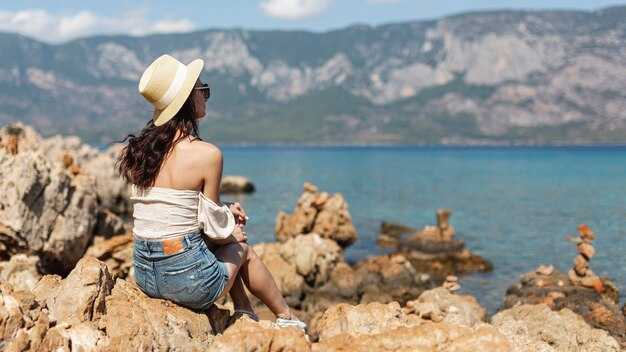
Grab a day-pass ferry ticket to hop between thirteen towns around the lake, starting from Desenzano or Peschiera.
Ferries run year-round, with the freshest services in July and August. On the main routes along the south and west coasts, crossings typically come every 30–40 minutes in peak season; in spring and autumn, plan for 60–90 minute gaps. Desenzano–Sirmione, Bardolino–Lazise, and Malcesine–Riva del Garda are reliable connectors, letting you reach popular stops without shifting cars.
Buses fill gaps between lakeside hubs and inland villages. Expect 30–60 minute frequency in high season and longer breaks in off-season. Tickets are bought at kiosks or on board in some services; validate before boarding. Key links run Desenzano–Salò, Lazise–Garda–Malcesine, and Peschiera–Bardolino, giving flexible options to adjust plans on the road.
Bike rentals appear in most towns, including Desenzano, Salò, Gardone, Limone, and Malcesine. Choose a hybrid or an e-bike to cover flat lakeside paths and the short climbs along the cliffs. Many rental shops provide maps, helmets, and lock services; some offer guided rides for fresh perspectives on the south shore and the beginning of the north coast.
Self-drive makes it easy to combine lakeside towns with ferries for a scenic crossing, especially with children. If you prefer this approach, plan a route along quaint road segments, pausing at cliff overlooks, walking along the promenade, and passageways for a breath of fresh air and a break from the busy towns.
Pair a lake day with Verona’s juliet experience–juliet’s house, plus cathedrals and palaces–then catch a train to turin for a designer-inspired city stroll, discovering more about Italian design and culture. Legends of juliet linger in Verona. This mix shows how transport around Garda broadens what you can experience, from south shore promenades to north‑west hill towns.
Choosing a base town: Sirmione, Desenzano, Malcesine, or Riva del Garda
Desenzano del Garda is the best all-round base for most visitors. It provides easy ferry connections to Sirmione, Malcesine, and Riva del Garda, plus a lively morning market and a wide range of stays that suit family trips and romantic getaways alike.
The streets along the lakefront stay busy in summer, yet you can retreat to quieter corners with well-kept gardens and lakeside cafés offering cheese boards and light bites. The rocca sits above the town as a historic backdrop, and the entire town feels compact enough to explore on foot or by bike. If you want to balance day trips with downtime, Desenzano makes it simple to navigate the lake and return for a lucerne-colored dawn over the water.
Choose Sirmione when you want a historic, postcard-perfect base. Its quaint town center angles around the Rocca Scaligera and narrow streets that open onto sunlit terraces and gardens. Morning walks lead to charming masks and artisan shops, while Madonna-era chapels add a sense of quiet reverence along the waterfront. It is a top option for a short, immersive stay, especially in shoulder seasons when fall light turns the water stunningly warm.
Malcesine suits travelers chasing dramatic scenery and outdoor variety. The town features a castle, a mountaintop cable car ride to Monte Baldo, and views that stay with you all day. Its streets pulse with visitors in high season, but the pace softens in winter, and you can enjoy vintage leather shops and small cafés. The setting is perfect for couples and families who want a single-base base with options for day trips and a touch of alpine atmosphere.
Riva del Garda appeals to outdoor-minded guests and winter explorers. It offers a robust town center, flat walkable promenades, and a range of accommodations from family-friendly stays to boutique properties. The north lake location brings a cooler, bracing morning breeze, and you’ll find sturdy rocca remnants, local markets, and long bike routes that feel less touristy but still well-known. If you plan to ride along the lakeshore or toward the mountains, Riva provides easy access and a real sense of place, with local cheese and craft shops adding flavor to a day outdoors.
| Town | Best fit | What to expect | Practical notes |
|---|---|---|---|
| Sirmione | Historic, compact base | Rocca Scaligera, quaint lanes, scenic views | Morning strolls, masks and craft shops, gardens nearby |
| Desenzano | All-round convenience | Busy lakeside promenade, ferry hub, diverse stays | Leathers and vintage shops, cheese tastings, rocca nearby |
| Malcesine | Scenic escape | Cable car to Monte Baldo, rugged beauty, quiet coves | Fairytale streets, charming cafés, off-season calm |
| Riva del Garda | Outdoor and winter access | Promenades, lakefront sport routes, local markets | Moderate size, well-known landmarks, excellent for family stays |