


 한국어
한국어  English (UK)
  Русский
  العربية
  日本語
日本語  Magyar
  Türkçe
  Español
  Čeština
  Svenska
  Português
  Ελληνικά
  Suomi
Suomi  Nederlands
  Română
  Italiano
  Français
  Polski
  Українська
  Deutsch
  简体中文
简体中文  Slovenčina
 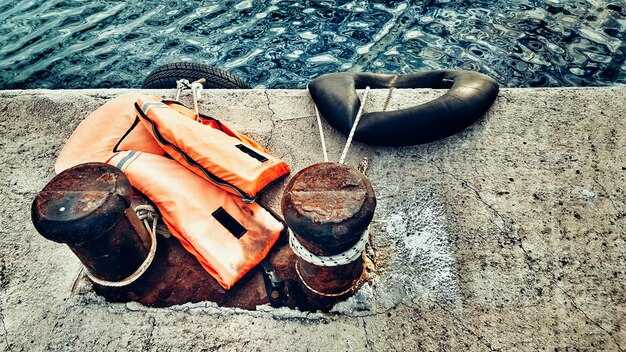 Your Ultimate Guide to Boat Safety Equipment">

Keep extinguishers within reach and secure a line at the helm for immediate action. This setup allows quick action in case a small fire or snag on deck occurs without delay. Use a high-quality system and test annually to confirm pressure and integrity.
For the selection of gear, assess your boat size, operating area, and crew experience. A practical kit includes life jackets, a bilge pump, a line, a throwable, and extinguishers that match your risk profile. Keep away from fuel sources and store items in labeled, waterproof cases for quick access.
운전원 leads drills and checks before every voyage; knowing where every item lives speeds response during stress. In case of trouble, teammates should locate life jackets, flares, and a radio within a few steps, then deploy the parachute flares to attract attention effectively.
Storage matters: keep a dedicated container for safety items and label each case. Place it away from fuel lines and direct sun. Such organization helps you grab gear during an accident and reduces risk.
Drill and inspect: run quarterly practice to rehearse what to do in rough conditions, deploy parachute flares on cue, and use the line to assist a person overboard. Regular checks ensure extinguishers stay charged and accessible, and that crew members know where to access gear when it matters most.
From Checklist to Habit Making Safety Second Nature
Begin every trip with a five-minute routine: equipping essential safety items, inspecting gear, and confirming every passenger wears a life jacket. Keep your phone charged for updates, and note the ideal position for the VHF antenna. Unless conditions change, complete this basic step before you cast off.
Turn the checklist into a practice that grows into safety second nature: run through items in a fixed sequence, verify the state of equipment after every leg, and log any issue for the crew. This regular cadence boosts confidence for the crew and passengers alike; specifically, start with vest checks, then throw line, then radio tests to lock in the order.
Adopt a simple technique for on-board safety: keep a basic kit near the helm, designate a clear position for each item, and rehearse quick actions with the board crew. Use checks that are easy to perform while moving and during docking, so performance remains steady even under noise and wind.
Protecting passengers starts with clear roles: assign a number of helpers for monitoring jackets, PFDs, and head protection, and train everyone to point to gear when asked. In dark conditions, illuminate access to exits and life-safety gear, and practice locating items in low light using touch and sight.
Regularly audit your safety board and updates to the gear list: replace worn items, rotate batteries, and verify the carrying state of emergency signaling devices. Record how many people are onboard and ensure there is sufficient equipment for the number of people aboard.
Keep training concise and frequent: practice hoisting a throw bag, using signaling devices, and communicating with the crew. Review antenna range and phone connectivity, and simulate a quick drill for a man overboard scenario to reinforce your technique and confidence.
Boat-Type Pre-Departure Gear Checklist
Verify registration on board and equip two flashlights for night or low-light conditions before every trip.
Make a compact, non-pyrotechnic signaling kit within reach, including a hornwhistle and two spare batteries; ensure the kit is provided by the manufacturer.
Licensed safety gear must be checked regularly; follow the measures from the operator and keep a smaller kit you are carrying.
From the helm to the bow, walk the deck to explore the space and achieve an unparalleled level of readiness by assigning a fixed location for each item so you can grab what you need quickly.
Return to port with a clear plan: confirm your registration status, test the flashlights, carry a hornwhistle for signaling, and give quick access to smaller items in their designated spots.
Life Jackets: Sizing, Quick Access, and Use Rules
Always wear a properly fitted, Coast Guard–approved life jacket whenever you’re on deck. The jacket should sit snugly, allow full arm movement, and not ride up when you bend or turn your head. Do a final test by lifting your arms and turning your torso; if it shifts, adjust the straps or try a different size.
Sizing basics: measure chest circumference at the widest point and compare to the label’s chart. For adults, sizes typically run XS to XXL; for youths, follow weight and chest guidance on the jacket label. Typical chest ranges you may see are roughly XS 30–34 in, S 34–38 in, M 38–42 in, L 42–46 in, XL 46–50 in, XXL 50–54 in. Brand charts vary, so inaccuracies can occur if you skip the label. If you wear a light layer under the jacket, you might need the next size up for comfort while maintaining buoyancy.
| Size | Chest Range (in) | 참고 |
|---|---|---|
| XS | 30–34 | Adult; verify with brand chart |
| S | 34–38 | Adult; check for a snug fit |
| M | 38–42 | Adult; suitable for most average frames |
| L | 42–46 | Adult; may require longer torso |
| XL | 46–50 | Adult; consider tall length |
| XXL | 50–54 | Adult; broader shoulders |
For quick access, keep life jackets within arm’s reach near the helm or the main entry. Store one by the door you use to board and another at the stern for fishing trips. Choose bright colors and patches or flags to improve visibility, and consider models with reflective strips. Avoid stacking jackets in a closed hatch; keep them permanently on rack hooks or on coaming guards. Dry, clean storage supports long service life and excellent buoyancy even after long trips. Electronics on board should remain separate from your gear; never rely on electronics or computer-based indicators for buoyancy. Burns from heat sources while stored or worn can degrade material, so keep jackets away from engine exhaust and other heat.
Use rules emphasize correct fastening and quick donning. Zip up fully, snug the straps, and ensure the inflatable bladder (for inflatables) is properly armed and ready. If a jacket shows wear, tear, or a leak, retire it and replace. Never throw a damaged jacket overboard; dispose of it in line with local guidelines. Before departure, give a quick don-and-check to confirm you can move freely; if calling for help becomes necessary, you can use a whistle or signaling device. The jacket should perform reliably in unexpected conditions, offering stable buoyancy to support calling for help and rescue efforts. Further, a quick maintenance check after each trip helps you catch problems and keep safety data accurate and up-to-date.
Inspection and maintenance form the foundation of reliable protection. Visually inspect seams, zippers, buckles, and straps; check the buoyant material for tears or saturation; test inflatable models by ensuring the bladder holds air. Replace worn parts and leaking jackets promptly; keeping up with repairs reduces inaccuracies and extends service life. For international voyages, follow the jacket label and your vessel’s safety plan to maintain an excellent safety record, including a long-term upkeep cycle that includes inspection after fishing trips or training calls. A computer-free checklist and documented records, providing steady protection for everyone on board, helps maintain readiness and reduces risk.
Safety Signaling: VHF Radio, Flares, Whistles, and Lights
Test your VHF radio weekly on channel 16 and have the operator run a quick check to confirm transmit, receive, and DSC functions; keep a copy of your vessel name and position so you are able to broadcast quickly, especially at night or in poor visibility; ensure the antenna and speaker are dry and maintain readiness for any situations and to increase your chance of being heard.
Use only rated handheld or aerial flares in sealed packaging; replace before expiry dates; store in a dry, accessible locker near life jackets to ensure fast access in an emergency; include flare drills in safety promotions and training so crew can deploy calmly under pressure; in a major incident, flares attract attention and prevent catastrophic delays.
Keep a loud whistle within reach; choose a pea or pea-less design and test by blowing to verify tone and range; in fog or night, pair the whistle with a bright light to announce your presence clearly and signal to vessels nearby.
Maintain navigation lights: red and green sidelights, white stern light, and a serviceable anchor light; verify bulbs or LEDs are rated for your vessel size and replace them promptly; ensure mounting angles and visor visibility keep you readable for every approaching boat at night, within feet of your position and farther distances; carry a compact strobe or lantern for additional visibility when moving between the bilges or deck; refer to clickboat guides for fleet-style best practices.
EPIRB readiness: keep an epirb registered and accessible, test the unit per the manual, and check battery dates; store in a dry, readily reachable location away from bilges; update the registration and contact dates as needed and re-register when equipment changes; train every operator in their fleets to handle activation and distress signaling, reinforcing readiness across your coverage area and ensuring faster rescue response.
Fire Safety Gear: Extinguishers, Fire Blankets, and Storage
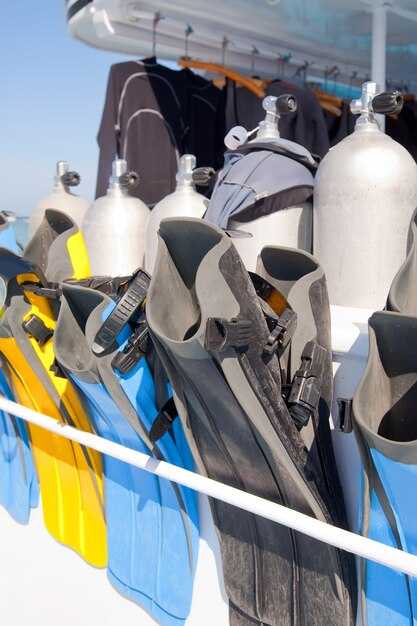
Install a 5-lb ABC extinguisher in the galley, within 1.5 m of the stove, and secure a second unit near the cockpit for emergencies. Use a sturdy mounting bracket and a quick-release strap to keep the device stable during rough seas. Ensure the pressure gauge shows green and the pull pin and tamper seal are intact at all times.
스토브 옆에 화재 담요를 명확하게 표시된 파우치에 장착하십시오. 1m x 1m 담요는 소형 보트의 대부분의 팬 화재를 덮을 수 있습니다. 모든 사람이 담요를 자신 쪽으로 당겨 불을 끄고 안전하다면 물로 해당 지역을 식히도록 가르치십시오.
보관 관행은 장비의 무결성을 보호하고 위험을 제한합니다. 소화기와 담요를 열원, 직사광선, 빌지 분무로부터 멀리 보관하십시오. 악천후 시 움직이지 않도록 앵커 포인트 또는 견고한 브래킷을 사용하십시오. 접근이 용이한 건조하고 서늘한 캐비닛이나 통에 보관하고 명확한 시각적 신호를 위해 마지막 서비스 날짜와 다음 예정 날짜가 표시된 간단한 깃발 또는 태그를 추가하십시오. 공간 제한을 준수하고 편의성과 안전을 위해 해당 품목을 조리대에서 치워 두십시오.
유지 보수와 안전 장치는 보트 안전 계획의 기초를 형성합니다. 매월 육안 검사를 실시하여 압력, 핀, 씰 및 일반적인 상태를 확인하십시오. 부식 또는 손상된 씰이 보이면 즉시 해당 품목을 서비스 받으십시오. 매년 인증된 기술자가 필요에 따라 장치를 검사, 재충전 또는 교체하고 검사 태그를 새로 고칩니다. 핵심 장비에 대한 접근성을 유지하면서 중요하지 않은 업그레이드에 대해서만 옵트 아웃 정책을 고려하십시오.
추가 준비 사항: 조종석 보관함이나 구명 조끼에 여분의 배터리와 함께 착용 가능한 손전등을 보관하십시오. 간단한 로그를 사용하여 훈련 후 생각을 기록하고 안전 장치를 적절히 조정하십시오. 이러한 요소를 잘 관리하면 비상 상황 시 강력한 대비 태세를 구축하고 장비의 무결성을 유지할 수 있습니다.
정비 루틴: 빌지 펌프, 킬 스위치 및 전기 점검
매번 출항하기 전에 빌지 펌프를 테스트하고 킬 스위치가 랜야드를 당기자마자 즉시 작동하는지 확인하십시오. 이 주요 단계는 파국적인 고장을 방지하고 빌지에서 물이 차오를 경우 지휘권을 유지할 수 있게 해줍니다. 이 루틴은 탑승자들에게 경각심을 주고 대비 태세를 갖추도록 하기 위해 수행하는 주요 안전 점검을 의미합니다.
점검 시 빌지 접근 덮개를 열고 이물질을 제거한 다음 빌지에 물이 있는 상황을 가정하여 펌프 작동 여부를 확인하십시오. 배출 호스에 꼬임이 없고 흡입구 스크린이 깨끗한지 확인하십시오. 장치가 작동하지 않으면 펌프를 교체하거나 고정식 백업 장치를 설치하여 즉시 문제를 해결하십시오. 신속한 현장 수리를 위해 휴대용 도구 키트를 휴대하고 건조한 장소에 보관하십시오. 먼 바다로 향하는 보트 운전자라면 주 펌프 고장에 대비하여 보조 펌프를 백업으로 보관하십시오. 또한 구명 조끼가 제대로 팽창하는지, 던질 수 있는 장치, 구명 부표 및 기타 안전 장비가 제대로 작동하는지 확인하십시오.
킬 스위치 테스트: 엔진이 작동 중일 때 랜야드를 당겨 킬 스위치를 테스트하여 점화가 즉시 차단되는지 확인하십시오. 고정식 킬 스위치는 꾸준한 보호 기능을 제공합니다. 휴대용 랜야드를 사용하는 경우 모터 작동 중에도 랜야드가 부착되어 있고 접근 가능한지 확인하십시오. 항구를 떠나기 전에 주 전원을 신속하게 차단하여 스로틀이 응답하지 않거나 엔진이 폭주하는 것을 방지하고 시스템을 비상 정지 준비 상태로 유지하십시오.
전기 점검은 배터리 상태, 연결 상태 및 보호 장치를 다룹니다. 메인 배터리의 전압을 확인하고 부식 여부를 검사하며 퓨즈 및 회로 차단기가 양호한 상태인지 확인하십시오. 개방 회로나 손상된 전선은 수리가 필요하며 손상된 부분을 다듬고 절연하고 교체할 수 있는 도구를 준비하십시오. 멀티미터를 사용하여 연속성을 확인하고 항해등, 빌지 펌프, 이피르브, 손전등 및 기타 장치의 회로가 작동하는지 확인하십시오. 경고 시스템과 가청 경보가 작동하는지 신속하게 진단하여 뉴질랜드 해역이나 내륙 호수에서 보트를 탈 때를 포함하여 비상 상황 발생 시 승무원이 신속하게 대응할 수 있도록 하십시오.
비상 장비는 항상 접근 가능하게 유지하십시오: 구명부표, 투척용 부양 장치, 이피르브, 조난 신호탄. 모든 품목의 유효 기간을 확인하고, 항구 또는 해상에서 즉시 사용할 수 있도록 올바르게 보관되었는지 확인하십시오. 안전한 보트 유지 관리 요구 사항을 충족할 수 있도록 날짜, 교체 부품 및 이상 징후를 기록하여 모든 검사를 문서화하십시오. 로그를 공구 키트와 함께 보관하고 이 루틴을 반복할 수 있도록 정기적인 알림을 설정하십시오. 이 주소는 호수, 항구 및 외해 근처에서 보트 여행 중 준비 태세를 개선하고 위험을 줄이는 데 도움이 됩니다.