


 한국어
한국어  English (UK)
  Русский
  العربية
  日本語
日本語  Magyar
  Türkçe
  Español
  Čeština
  Svenska
  Português
  Ελληνικά
  Suomi
Suomi  Nederlands
  Română
  Italiano
  Français
  Polski
  Українська
  Deutsch
  简体中文
简体中文  Slovenčina
  Where to Find the Best Snorkeling and Diving Spots in Greece">

Antipaxos delivers crystal-clear water across a 범위 of bays, with 장관적인 visibility that makes spots pop. The loggerhead turtle, moray eel, and seals frequent these corners, offering close encounters without crowds.
Around the peloponnese coastline, you’ll find various spots from sheltered coves to rocky ledges that are suitable for first-time snorkelers and more experienced explorers. Look for paradise bays where the water depth gradually increases, giving you room to uncover schools of fish and curious reef life along the 범위 of depths.
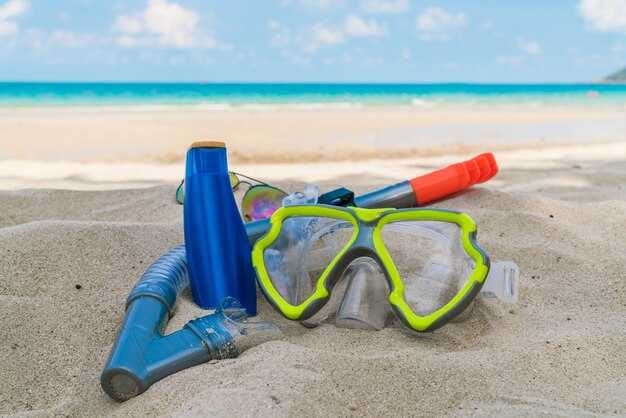
To maximize your opportunities, choose a compact itinerary that focuses on antipaxos and nearby peloponnese sites. Bring a mask, snorkel, fins, and a rash guard for protection, as well as reef-safe sunscreen. This setup is suitable for new divers and seasoned snorkelers alike, letting you enjoy the underwater garden without fatigue.
When you uncover a new reef, respect marine life and keep a safe distance from turtles, morays, and seals you may see near crevices. Stay within marked depths and follow local guidelines to protect these fragile ecosystems for many seasons to come.
Besides antipaxos, the peloponnese coast offers an array of paradise sites–from shallow lagoons to deeper channels–that reveal a variety of fish, crustaceans, and plant life. The spots range from sunlit reefs to shaded canyons, making this region a practical choice for a multi-site adventure within a single trip.
Alonissos-based snorkeling and diving highlights
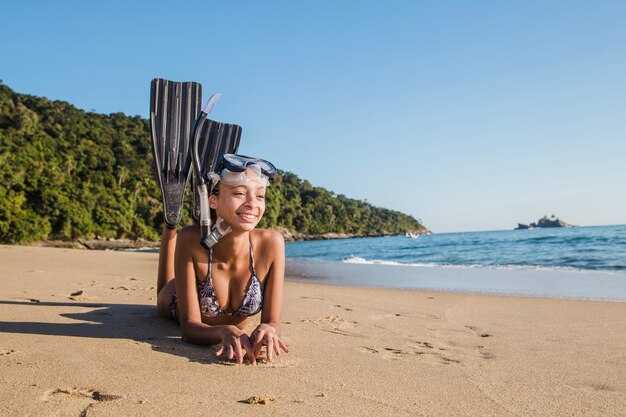
Start your alonnisos adventure with a calm, near-shore session along the Patitiri coast, where shallow, clear water makes entering easy for beginners. Bring a buddy, wear a light 3‑mm wetsuit, and stay near the shore to inspect the seabed habitats without straining.
Then swim toward the walls and cliffs a short distance from the shore, where ledges create openings of varying size. Entering cautiously, you’ll spot moray eels tucked into crevices and small schools patrolling their edges; keep movements slow to avoid startling their residents. The variety here rivals spots around the world.
Nearby coves along the north coast offer sheltered bays with seagrass meadows, perfect for relaxed exploration. There you’ll meet octopus, wrasse, and tiny fish that thrive among the habitats, with colors brightening as sun reaches the reef. For reference, places like myrtos and sitia show different underwater scenes, but alonnisos keeps a rich nearshore life in reach.
Local operators run day trips from alonnisos to nearby spots such as plimiri, with patient guides who tailor routes for beginners and families. These sites provide calm entry points and plenty of photo opportunities around rocky walls and cave mouths that invite careful inspection of the size and shape of openings.
After your session, head back to the home harbor, rinse gear, and leave it on the boat or dock. There are plenty of spots to revisit in the surrounding islets, with new visibility and neighbors to share the day’s discoveries with.
Calm, shallow reefs near Alonissos ideal for first-timers
Go to the shallow reefs off the north coast of Alonissos, where depths hover around 4–8 meters and calm, turquoise water makes breathing easy for first-timers.
These habitats deliver a fascinating, unique underwater walk that can become a wonderful introduction to life under the surface. Some spots sit in sheltered bays with a canal-like channel that keeps currents gentle and lets you glide smoothly from one site to another. From the shore, you can observe an endless parade of fish, seagrass, and small corals, perfect for learning the basics without fatigue.
There are shipwrecks and wrecks in nearby sites, which add a poetic layer to the experience while you stay in shallow water. HMHS references may appear in guide notes (hmhs) as a historical hint, but the core appeal remains the habitats and coral gardens. источник: rely on local guides to confirm current conditions and depth ranges there.
For safety and enjoyment, choose a calm morning, use a simple snorkel set, stay within 30–40 meters of shore, and move at a relaxed pace. Keep your form, look down often, and practice easy breathing to remain comfortable and aware of your surroundings.
After you finish, plan connections toward elounda and along the south dodecanese approaches, expanding your options while staying within comfortable depths. These connections open the door to endless exploration yet remain possible without long crossings, so a short outing can become multiple days of discovery. There are spots around the dodecanese corridor that share the same habitats and a few shipwreck sites you can include on your list.
| Spot | Depth (m) | Highlights | Access and tips |
|---|---|---|---|
| North Alonissos sheltered reef | 4–8 | calm water, seagrass habitats, abundant small fish | short swim from Steni Vala; easy parking; start early for best light |
| Steni Vala bay reef | 5–9 | gentle entry, sheltered cove, diverse juvenile life | easy mask-fit, nearby rental shops |
| Kira Panagia canal reef | 6–10 | canal-like channel, slow drift, rich habitats | walkable from shore; stay inside the sheltered channel |
| South Alonissos wrecks site | 8–12 | visible wrecks at shallow depth, beginner-friendly | short boat ride from port; consider a local guide |
| elounda-linked spots | 9–12 | possible connections to elounda routes; calm vantage points | boat trips from Alonissos; pair with nearby coves |
Coastal caves, arches, and swim-throughs accessible by short boat trips
From sidari, book a half-day boat and reach fossilized arches and sunken swim-throughs along the natural limestone coast within about 30 minutes. The routes stay comfortable for beginners, with water depths in the 4–12 meters range, perfect for snorkeling and calm explorations.
In the ionian belt around agiofili on Lefkada and the alonnisos area of the Sporades, larger caves and arches frame the blue sea. Short boat trips unlock several spots where you can glide through openings from one chamber to another, staying in safe, shallow zones.
Alonnisos National Marine Park protects monk seals and rugged coastlines, offering wildlife alongside the underwater architecture. Beneath the surface, you glimpse fossilized rock formations and sunken corridors, while the water stays clear.
To prepare, bring your mask and snorkel, a dry bag, and reef-safe sunscreen. Wear comfortable footwear for the boat, and check with hmhs for schedule options; operators run shorter itineraries that suit families and solo travelers.
These experiences reveal the beauty of greeces coast–home to natural scenery, rugged shores, and unforgettable moments. Each outing highlights ionian life and leaves you with memories of spots beneath the horizon, a larger sense of discovery that makes you want to return to agiofili, sidari, alonnisos, and the broader greeces coastline.
Wrecks and artificial reefs for intermediate exploration
Begin with the Zakynthos wreck-and-reef circuit at depths around 18–25 meters; its surrounding waters offer accessible entries from the coast and a safe backdrop for an experienced group to progress into deeper underwater exploration.
The combination of shipwrecks and artificial reefs creates a diverse environment, where visibility in good seasons ranges from 15 to 25 meters and life includes scorpionfish hiding among boulders, colorful reef fishes, and field-like formations formed by stalagmites in submerged cave niches. This variety makes the experience suitable for divers who want a structured challenge while keeping safety a priority.
- 자킨토스 – several wreck sites in the surrounding seas sit near gentle sloping bottoms; expect 20–28 meters depth, moderate currents, and easy entry from beach launches or small boats. The surrounding beaches and rock outcrops offer scenic views above water as a prep for the underwater circuit.
- Mykonos – reefs anchored by rocky headlands host discreet wreck fragments and man-made reefs; depths typically 15–25 meters, clear water in summer, and options for day trips that keep logistics simple for a dedicated youre group. Accessible boat access makes planning straightforward, with flights into Mykonos Town elevating your itinerary.
- Myrtos area (Kefalonia) – underwater limestone structures and stalagmite formations create shaded channels with interesting silhouettes; moderate currents and 20–30 meter depth provide a rewarding intermediate challenge without overextending your limits.
- Alonissos and Sporades chain – protected waters host multiple wrecks and artificial reefs; depths between 18 and 30 meters, rich biodiversity, and calmer conditions in many seasons make this an attractive, diverse option for a multi-site itinerary.
To maximize safety and enjoyment, pair each site with a skilled operator who emphasizes safety, upholds capping limits for depth and duration, and sticks to a tight buddy system. Ensure your equipment list includes a surface marker buoy, a reliable light for murkier pockets, and a backup plan if currents shift unexpectedly. A local guide can tailor routes to your group’s experience level and the surrounding conditions.
- Planning tips
- Book flights to connect with island or port transfers that align with your first dive window, e.g., flights into Zakynthos or Mykonos, then short boat hops to the wreck sites.
- Choose an operator with experienced guides and a clear safety brief, especially when navigating wrecks with narrow passages.
- Start with shallower sections and gradually extend to deeper zones as your suitable pace and air management allow.
Remember, the best encounters lie in well-planned routes that balance challenge with accessibility. This approach allows you to explore a paradise of habitats, discover diverse species near the wrecks, and enjoy the calm after-session reflections on 해변 and nearby cities before your next group 모험.
Seasonality, visibility, and best times to dive or snorkel
Visit in late May–early June or September for warm water, high clarity, and calm mornings that make entering water easy for snorkel sessions.
In the dodecanese and across the Aegean, winds drive daily conditions. Summer brings warmer water, typically 24–28°C, with blue water and visibility often around 20–40 m after the strongest winds ease. Spring offers cooler water–roughly 18–22°C–but still solid visibility, with tranquil mornings ideal for exploring coves and habitats.
Elounda, on Crete’s northeast coast, provides sheltered bays where entering water remains comfortable and visibility holds well in the morning. Deeper shelves may reveal amphorae remains and occasional shipwrecks beyond shallow reaches, while shallower zones teem with fish and sea life as water warms later in the season.
Naxos delivers clear, inviting blue water and plenty of marine life. In summer the visibility commonly surpasses 20 m, and gentle currents keep snorkeling routes rewarding around rocky outcrops and sandy bays, including areas where ancient stones lie near seagrass habitats that attract parrotfish and wrasse.
Sidari on the Ionian coast offers hidden caves and rocky reefs that shine in the morning light. Water warms into the 20–24°C range early in the season, with 15–25 m visibility, making it easy to observe octopus, sea urchins, and small schooling fish without crowds.
Across the dodecanese, shipwrecks and amphorae entries form intriguing sights at shallow depths in protected bays and along rocky ledges. Habitats vary from seagrass beds to macro-algae walls, delivering an adventure for snorkelers keen on history and wildlife alike, with optimal conditions arriving in late spring and in early autumn when sea state is gentler and visibility remains reliable.
источник местных гидов отмечает, что планирование на утро, избегание сильной ветреной дневной поры и выбор sheltered coves повышают шансы увидеть необычных обитателей, от маленьких костлявых рыб до гигантских моллюсков. Посетив elounda, naxos и sidari, вы получите различия в условиях и маршрутах, что обеспечивает разнообразие опыта и хорошую подводную практику прежде, чем расширяться к другим участкам греческого побережья.
Guided tours vs. DIY plans for Alonissos snorkeling and diving
Take guided tours for Alonissos snorkeling and dives if you want a smooth, well-supported experience from the moment you start planning, whether you arrive from athens or southern Europe, and it also helps reduce planning stress, making the trip smoother.
Guided itineraries handle gear, permits, and safety briefings, inspect sites for suitable conditions, and reveal features like plimiri reef and cretes coves, including smaller sheltered spots that see fewer visitors. The activity level is adjustable to families or solo travelers.
DIY plans empower sailing and self-guided routes, letting you choose some sites, rent gear, and make the schedule fit your life–though you must check weather, tides, and local rules before setting out.
Weather and currents matter for safety and comfort, so for a possible and flexible approach, combine both: book a core guided day for safety and a few DIY additions for exploration. This approach works well in southern summer, when seas can be lively, if you want adventure, international travelers, or a chance to see rare life forms that hide in protected bays, and the experience itself can spark new confidence.
Remember to tailor your choice to your goals and pace: guided options suit first-timers and families looking for a curated experience, while DIY is suitable for confident sailors who value control over cost and schedule. Theyre popular with groups that want to combine days on the seas with island visits.