


 한국어
한국어  English (UK)
  Русский
  العربية
  日本語
日本語  Magyar
  Türkçe
  Español
  Čeština
  Svenska
  Português
  Ελληνικά
  Suomi
Suomi  Nederlands
  Română
  Italiano
  Français
  Polski
  Українська
  Deutsch
  简体中文
简体中文  Slovenčina
 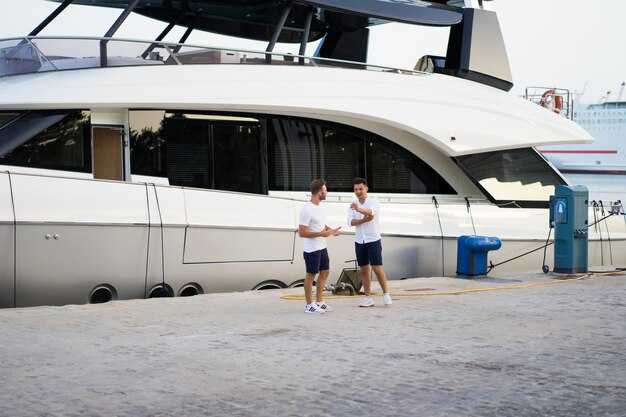 When Does a Yacht Become a Ship? Classifications and Definitions">

실용적인 규칙부터 시작하자면, 보수가 지급되는 직원을 갖추고 장기간 항해를 위해 건조되었으며, 사적인 용도를 넘어 상품을 운반할 수 있는 배는 '선박(ship)'이라고 불리고, 그렇지 않으면 '요트(yacht)'로 남습니다.
대부분의 논의는 유형의 지표에 의존합니다. 살펴보십시오. 차원 and length overall (LOA). If a boat exceeds about 78 피트 (24 미터) LOA, 많음 models 배로 분류하지만, 사이트별 규칙과 각국 규정은 다릅니다. 해안 지역 내 소규모 개인 순항은 종종 법적으로나 실질적으로 요트 크기로 이루어집니다.
Classification models differ: 일부는 용어 기반 구분을 사용하고, 다른 일부는 총톤수 또는 배수톤수를 트리거로 사용합니다. The choice 프레임워크의 which 보험, 직원이 포함된(Crewing), 등록과 관련된 사항입니다.
Whether you plan coastal cruising or long voyages, the choice 레이블은 작동에 영향을 미칩니다. on-water, 유지 보수 및 라이선스. 일부 규제 기관에서는 특정 길이 이상의 선박을 선박으로 간주하고, 다른 기관에서는 임무와 국기 요건에 초점을 맞춥니다.
결정하기 위해서는 다음 단계를 따르세요: 측정 차원 (LOA, 빔, 흘름), 참고하세요 years 계획된 사용 용도, 그리고 목록을 상품 필요한 경우 소지하려는 의도와 일치시키십시오. 사이트 등록 규칙을 확인한 다음, 정렬하십시오. start 날짜, 보험, 그리고 선택한 범주와 함께 승무원을 관리합니다.
대부분의 경우 luxury 선박의 경우, 요트와 선박 사이의 경계는 누가 항해하고, 어디를 여행하며, 어떻게 항해를 즐기는지에 따라 중요합니다. 이것은 사안 터치 보험, 규정, 그리고 접근하는 방식 cruising 수상 활동 일수 전체 years 소유권의.
실제 시나리오에서 요트와 선박을 구별하기 위한 실용적인 기준
권고: 선박을 주로 사적인 여가와 편안함을 위해 사용하고, 화물도 소득도 상업적인 운영도 없는 경우 요트로 분류합니다. 화물, 군사 목적, 또는 상업적 수익이 나타나면 선박으로 분류됩니다.
이 문제는 이름 그 자체가 아니라 용법에 달려 있습니다. 깃발 규칙, 등록, 그리고 소유자가 판매 또는 공개 자료에서 자산을 제시하는 방식에 따라 공식적인 분류는 바뀔 수 있지만, 실질적인 차이는 해상 활동 및 항해에서의 활동으로 남아 있습니다.
빠르게 알아야 할 주요 지표: 1차적 목적, 화물/운영, 승무원 집중도, 그리고 수익 모델입니다. 승무원 규모와 선원의 존재는 의도를 나타냅니다. 소규모 승무원을 가진 개인용 선박은 요트와 유사하게 유지되지만, 공식적인 화물 처리나 군사 임무는 선박 지위로 향하게 합니다. 서류상의 이름도 중요하지만, 해상 활동이 분류에 더 중요합니다.
기가요트 부문에서 소유주들은 종종 초호화 개인 함정을 지칭하는 용어를 사용하지만, 실제 운영은 요트 또는 선박 규정과의 규제 체계 및 준수 여부를 결정합니다. 수년간의 경험에 따르면, 개인적인 사용이 용선, 판매 또는 수익을 창출하는 서비스 제공으로 전환될 때 주로 선이 이동합니다. Carl과 다른 관찰자들은 여가 선박이 순양선 규모의 기능을 모방하더라도 많은 선원들이 엄격한 구분을 유지한다는 점을 지적할 것입니다. 실질적인 차이는 홍보나 이름이 아닌 목적, 적재 능력, 그리고 선박이 일상적으로 운영되는 방식에 근거합니다.
| 기준 | 요트 특성 | 선박 특성 |
|---|---|---|
| 주요 목적 | 개인 여가, 편안함 중심 운영 | 상업 운송, 화물 처리 또는 군사 목적 |
| 화물 및 운영 | 최소 화물; 비상업적 임무 | 상당한 화물 적재 능력; 공식적인 상업 또는 군사 작전 |
| 수익 모델 | 소유주 자금 조달; 일상적인 서비스에서 파생되지 않는 소득 | 운송, 서비스 또는 정부 계약에서 발생하는 수익 |
| 승무원 및 선원 | 소규모 승무원; 제한된 선원 | 헌신적인 승무원; 여러 부서 및 공식적인 인원 배치 |
| 등록 이름/범주 | 종종 프라이빗 또는 요트 범주; 강조를 위해 기가요트를 사용할 수 있습니다. | 선박 종류; 상선/화물 또는 군사 자산으로 등록됨 |
| 크기 및 성능 | 넓은 범위; 매우 클 수 있지만 소유주 중심 | Typically substantial tonnage with broader regulatory scope |
| Regulatory definition | Use-based definition; flag rules apply | Regulatory framework tied to shipping law and registries |
Definitions and Regulatory Scope: What designations trigger yacht or ship under common maritime laws
Recommendation: Use the definition rooted in use, ownership, and on-water activity as the primary trigger. If the vessel is designed and used for private pleasure, owned by individuals, and primarily serves recreational cruising, then classify as a yacht. Sometimes foreign flags or classification societies apply the same hull to a ship when it supports a commercial model, transports passengers, or goods for hire.
Regulatory scope turns on terminology and category, not style alone. The same floating craft may be treated differently by flag state rules, port state control, and the rules of classification societies. In practice, the trigger includes the vessel’s size, its primary function, and the business context in which it operates; such factors determine whether it falls under yacht or ship regulation, and which safety, crewing, or inspection regimes apply.
Terminology matters because it affects registration, taxation, and insurance. The same hull can be a yacht in private ownership and a ship when chartered commercially. For the yachtbuyer, the decision hinges on how the boat will be used down the line; if the plan is to enjoy private cruising then the yachtbuyer should pursue pleasure-boat status, while if the operation will include carrying guests or bulk goods, the ship designation will drive compliance requirements. This nuance matters across jurisdictions, where height, length, and tonnage thresholds varies by category and flag.
Practical steps: review related regulations with your broker or attorney, confirm whether the vessel is intended for on-water private use or commercial service, and verify whether it would be counted as a small yacht or a larger ship for purposes of registration and safety rules. If you aim to stay within the yacht category, align construction and fittings with leisure use; when owners plan for motor operations or carrying guests or cargo, prepare for ship-class obligations.
Understanding the terminology and the regulatory scope helps making informed decisions and ensures compliance across jurisdictions, which reduces risk and improves ownership confidence for the yachtbuyer seeking a floating asset that aligns with their goals. Such clarity also guides due diligence on structural design, hull sizes, and operational constraints, and helps determine which rules apply on-water, and whether the vessel sits in the yacht or ship category during registration and operation.
Size, Tonnage, and Displacement Benchmarks: How measurements influence classification
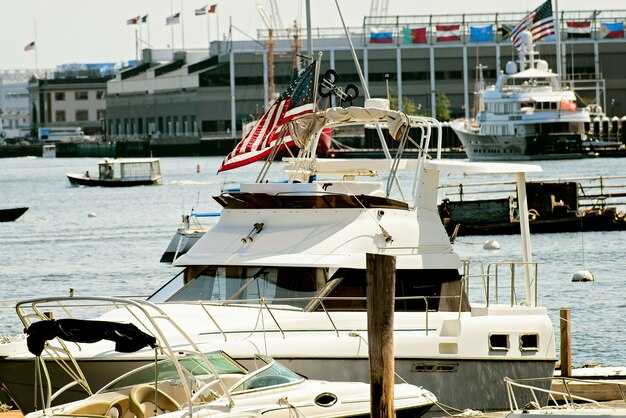
Know that the practical starting point for classification is length overall (LOA). Around 24 meters LOA serves as a clear threshold between smaller watercraft and larger yachts. Use LOA as your primary measure of size, then add tonnage and displacement to refine the label. This approach is becoming a standard in many markets, helping buyers, editors, and ports plan dockage, crew, and insurance with confidence. The thing to remember is that a single dimension rarely tells the full story, but LOA gives a solid foundation for the definition of a vessel’s class.
Beyond LOA, measurement systems like gross tonnage (GT) and displacement drive classification in port rules and documentation. GT is a volume-based index reflecting internal space, while displacement equals the vessel’s full-load weight. For a given 차원, GT varies with hull form, interior layout, and purpose–fishing, goods transport, military, or luxury watercraft. Displacement also varies with loading and hull design. A full-displacement hull tends to weigh more than a lighter, planing hull, even at the same length. A photo with hemingways helps illustrate how size cues can mislead if you focus only on appearance; while editors and brokers compare vessels, the definition 그리고 terminology matter in united markets. Buyers and editors enjoy clearer metrics that guide financing, berthing, and insurance.
To classify reliably, follow practical steps: record LOA, beam, draft, and displacement at full load; check the vessel’s GT with the flag state or classification society; The full hull weight is displacement, and it matters when comparing to tax, insurance, and port regimes; compare with typical market tiers: under 40 meters generally remains a yacht, 40–60 meters marks large yachts, and 60 meters plus leans toward megayacht or superyacht. 슈퍼요트 generally begin at around 24–30 meters, though the threshold varies by region and market; more space, crew, and amenities push the label to bigger ranges. Generally, terminology varies by editor and region, with some markets calling substantial craft ships for commercial use, especially in military contexts or near islands.
In practice, the line is a function of several figures, not a single number. The definition and how size relates to cargo or passengers shapes port access and insurance. For on-water operations near islands or in busy harbors, height and draft limit docking options; plan for full-scale berthing, crew, and support; bigger hulls demand more fuel, storage, and maintenance down to the ramp. The thing to track is LOA, GT, and displacement, because they influence editor decisions, buyer expectations, and the suitability of a vessel for venues that host goods shipments or guests. Becoming familiar with these benchmarks helps you know what to expect when you compare different boats while you enjoy the process of choosing the right fit. These benchmarks have practical implications for editors, owners, and insurers alike.
Registration, Flag State, and Documentation Implications for Owners
Register with the flag state before any on-water operation and keep the registry current. Verify the vessel length and LOA are correctly recorded, then secure the certificate of registry, ownership proof, and, if required, a mortgage or lien release. For sale or private use, prepare a bill of sale, registry forms, and a clear proof of payment to avoid delays.
Flag state choice shapes compliance, taxes, and duties. Megayachts and larger craft often benefit from a flag state with streamlined service, while military vessels cannot be registered for civilian use. For powerboats intended for private enjoyment or commercial purposes, ensure the flag state allows the intended purposes and does not impose prohibitive requirements.
Documentation must cover the definition of the vessel and its ownership chain. Keep a complete set: certificate of registry, official number, Hull Identification Number or IMO number, proof of ownership, insurance, radio license, and safety certifications. Many authorities referred to as the источник provide requirements, and the editor may rely on this standard when compiling checklists.
Length thresholds determine registration complexity. Instruments such as load lines, ISM/ISPS compliance, and survey cycles may kick in at larger lengths. A vessel designed for private pleasure differs from one used for commercial sale or charter, yet the basic registry concept remains the same.
Transfer and sale require a clean title and updated documents. When ownership changes, notify the flag state, deliver new proof of sale, and release any liens. Delays can create on-water penalties and insurance gaps, so coordinate with the broker and the authorities.
Access to the flag state’s online portal speeds up processing. Upload scanned documents, track status, and download certificates once issued. This checklist aims for hemingways clarity for the editor and the owner, minimizing back-and-forth and mistakes.
On-board documentation: store a small, durable container with the essential papers, including the registry, insurance, and emergency contact numbers. Keep copies off-board in a secure location. For on-water use, have digital backups and a printed set for inspections.
источник: national maritime authority guidelines and practice notes form the basis for the rules you follow, and they are often cited when owners seek streamlined access to records and faster clearance during sale or transfer.
Operational Use and Crew Requirements: Do charter, commercial use, or passenger capacity shift the label
Label the vessel as a commercial passenger vessel when you charter or carry paying guests; keep the private yacht label for strictly non-commercial operations. This distinction affects regulation, safety, and insurance more than polish or pedigree.
From a practical standpoint, the label follows use. A craft used solely by its owner and a small, dedicated crew remains a yacht; when you host charter guests or offer services, regulators treat it as a ship or passenger vessel, with corresponding requirements.
Across the century of maritime design, the boundary between yacht and ship shifts with operation. Here’s how to assess and plan:
- Regulatory trigger: passenger capacity exceeding 12 triggers passenger ship status under SOLAS guidelines in many regions; charter fleets typically convert to commercial certification and formal operating procedures.
- Crew and certification: commercial use demands a licensed master, licensed mate, engineer, and safety officers; crew rosters follow flag-state rules and ISM/ISPS codes; drills and records become routine.
- Safety and equipment: commercial vessels require lifeboats or liferafts, life-saving appliances, radio, and appropriate manning; larger yachts add medical facilities and enhanced security measures.
- Registration and flagging: a charter or passenger-focused operation usually registers as a commercial vessel under the flag of the country; private yachts stay under recreational registration unless an amendment is filed.
- Insurance and liability: commercial use increases exposure; yachtbuyers should secure coverage for passenger operations, crew injuries, and third-party liabilities, with added terms for island itineraries and offshore services.
- Design and operation: ships certified for commercial use emphasize redundancy and maintenance regimes; powerboats designed for speed may not meet the same standards when used in passenger operations.
- Definitions and terminology: terms vary by market; some refer to a large leisure craft as a yacht regardless of use, while others reserve yacht for privately owned vessels with dedicated services.
Practical guidance for owners and yachtbuyers: plan around intended services. If you cater to guests on islands or coastal routes, prepare a formal operations manual, appoint a capable master, and align crew certifications with the flag regulations. If you intend occasional charters without commercial services, keep the yacht label by limiting passenger numbers and maintaining a private-use operation.
Size, length, and design influence the label. A craft with substantial length or size that carries a passenger load exceeding thresholds will move toward a ship category, triggering more stringent safety and crew requirements. Even among superyachts, commercial use shifts the label and affects crew, insurance, and regulatory compliance. This is why many worlds of specialized yachting distinguish between private yachts and commercial passengercraft; the terminology matters for regulators, insurers, and lenders.
For yachtbuyers, clarity matters. Consider services you plan to offer, from fishing trips to luxury charters, and map routes, crew needs, and insurance accordingly. A vessel currently designed for private use can be adapted for charter with the right permits, but that path should be reflected in the classification, terminology, and order of operations so you cater to clients confidently and safely.
Luxury Interiors vs Functionality: How comfort features align with vessel class in practice

실용적인 규칙: 편안함 기능을 등급에 매핑하고, 선박 크기에 따라 확장할 수 있는 적응형 객실 및 모듈식 시스템에 투자하십시오. 일부 19세기 스타일이 나무와 황동과 같은 재료의 따뜻함에 나타나지만, 기능이 순항 스타일에 적응하는 레이아웃을 결정합니다. 소형 모터보트의 경우 내구성이 뛰어난 재료와 컴팩트한 레이아웃을 우선시하고, 메가 요트의 경우에는 목적지와 손님 수에 맞게 재구성할 수 있는 유연한 스위트와 여러 개의 생활 공간을 만드십시오.
- 분기 및 개인 정보 보호: 소형 모터보트의 경우, 헤드에 직접 액세스하고 효율적인 수납 공간을 갖춘 소형 조용하고 조용한 정박 시설을 설계하십시오. 메가 요트의 경우, 드레싱 룸, 워크인 클로젯, 개인 라운지를 갖춘 진정한 마스터 스위트를 제공하고 서비스의 신중함과 원활함을 유지하기 위해 별도의 승무원 통로를 추가하십시오.
- 공공 공간 및 흐름: 더 단순한 디자인의 경우, 가벼운 스크린을 사용하여 식사 또는 영화 모드로 전환할 수 있는 개방형 살롱을 유지하십시오. 더 큰 요트의 경우, 여러 개의 라운지, 격식 있는 식사 공간, 그리고 경로와 날씨에 따라 그늘을 드리우거나 열 수 있는 야외 데크를 제공하십시오.
- 시스템 통합 및 제어: 안정적인 기후 제어, 저소음 펌프, 직관적인 패널을 우선시합니다. 모터보트의 경우, 승무원이 신속하게 서비스를 제공할 수 있는 견고한 시스템을 설치하고, 메가요트의 경우, 운영을 간소화하고 손님 방해를 최소화하기 위해 전용 허브에 제어를 통합합니다.
- 재료 및 유지 보수: 염분 저항성 직물, UV 안정성 베니어, 내구성 코팅을 선택하십시오. 소형 선박의 단순한 인테리어는 유지 보수를 줄여주며, 메가요트는 적절한 보호 및 정기적인 관리와 함께 고급 마감재를 사용할 수 있습니다.
- 클래스별 디자인 전략: 더 간단한 조립 공정과 가벼운 질감은 작은 선박에 적합하며, 더 큰 디자인은 이동식 파티션, 모듈형 캐비닛, 다양한 여정 및 손님 수에 적응하는 기술 허브로부터 이점을 얻습니다.
- 실용적인 참조 및 실용적인 선택: 다양한 크루즈 프로필 및 목적지에 맞게 단일 설계를 재구성하는 방법을 보여주는 사이트 카탈로그 및 빌더 브리프를 참조하십시오. 초점은 편안함과 기능이 견고한 시스템과 승무원 워크플로우와 함께 작동하여 모든 항해를 과도함이 아닌 항해 자체를 위해 공간이 어떻게 봉사하는지에 더 중점을 둡니다.