


 한국어
한국어  English (UK)
  Русский
  العربية
  日本語
日本語  Magyar
  Türkçe
  Español
  Čeština
  Svenska
  Português
  Ελληνικά
  Suomi
Suomi  Nederlands
  Română
  Italiano
  Français
  Polski
  Українська
  Deutsch
  简体中文
简体中文  Slovenčina
 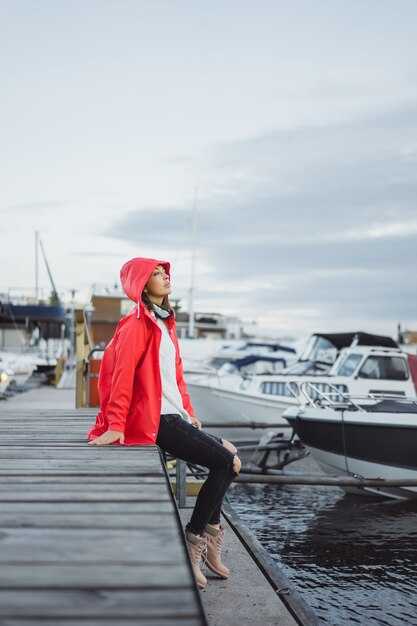 수상 안전 – 겨울철 수상 레저 활동 시 유용한 팁">

Today, put on a Coast Guard–approved life jacket and dry, non-slip boots before you cast off. This simple step reduces immersion risk and helps you stay steady when decks are slick. Throughout the trip, keep the PFD accessible and check straps for a snug fit to prevent ride-up in rough water.
Boaters should check today’s forecast, waterways advisories, and tide times before departing. Common winter hazards include blown spray, gusty winds, and moisture on deck, all of which change handling quickly. Offer a complete plan and share it with a friend on shore.
Carry a complete emergency kit: waterproof VHF radio, whistle, spare batteries, a first-aid kit, and oil-filled lanterns as a backup light source. Place the kit in a dry, easily reachable location and practice one- and two-person drills so you can respond fast if a fall or capsize occurs.
Dress in moisture-wicking base layers, an insulating middle layer, and a windproof outer shell; finish with insulated boots and gloves for grip. Layering keeps your core warm, reduces cold water shock, and buys you precious seconds to react if immersion happens.
Stay hydrated with water as your primary drink on board and consider a hot non-alcoholic beverage for warmth on longer trips. Hydration throughout the voyage supports alertness and better decision-making behind the wheel.
Respect ice and edge conditions around waterways: avoid areas where ice thickness is uncertain and never rely on appearance. In years of winter boating, dangerous conditions can form quickly when wind shifts, spray blown across open water, or visibility drops; preparation and calm execution make the difference.
Winter Boating Safety Guide
Wear a PFD at all times when on deck, and keeping it snug and accessible under winter layers protects the chance of staying afloat if you fall in. Use quick-drying gloves to keep hands dry, maintaining grip on the helm and rails even in crisp, cold wind.
Before departure, run a thorough check of boat systems: battery condition, bilge pump, navigation lights, and horn. Start the engine and operate the throttle to confirm responsive control. Deploy fenders along the hull for docking against a seaway, and keep lines ready in case of sudden drift or wind shift. For inland trips with limited cell service, a broadband data unit or satellite communicator helps you stay connected with shore support.
Weather and deck conditions drive risk on a winter run. In crisp air, visibility can drop quickly, so monitor forecasts and plan bailout routes. Dress in layered, moisture-wicking fabrics and a windproof outer layer. Use non-slip footwear, inspect the deck for ice, and treat slick spots with grit or melt if safe. Keep handrails dry and maintain grip; a short misstep can cause a slide into a hatch or the water. Keep speed low and running time short to reduce exposure in gusts.
Know your route and maintain communication. Our crew keeps a crisp briefing and uses marked points along inland routes to stay on track; this reduces risk when weather shifts. If something unsettles you, switch to an alternate harbor along the seaway. Slippery decks can cause a loss of grip, so operate the throttle smoothly and avoid sudden changes. Fenders stay in place to manage contact with docks or other vessels, and confirm the engine and electrical systems are stable before leaving the dock.
Keep a short safety checklist: PFDs, spare dry clothing, whistle, flashlight, portable radio, and a plan for what to do if someone falls overboard. In a capsize or immersion, stay calm, float on your back, call for help, and preserve core warmth. Ours training and routines should focus on preparation that lets you act quickly and keep control of the vessel.
Pre-Trip Boat Checklists for Winter Conditions
Check the battery lead connections and fuel system before every winter trip. Inspect the marine battery for corrosion, clean the terminals, and perform a load test; confirm fuel is fresh and there are no leaks in lines or filters. Keep a spare battery fitted and securely stowed in a dry compartment above deck. If you bought a portable charger for backups, test it now and bring the lead along with your tools.
Heavy winter conditions demand a tight, practical checklist. Look over the engine start circuit and fuel system, verify the alternator belt, and confirm wiring is protected from moisture. For most checks, readings should stay stable; test the bilge pump switch, and verify the cabin heater’s safe use. If a delay gets longer, have a plan to idle the boat with power preserved and the cabin partially closed to limit heat loss. Though winter brings more risk, a concise checklist keeps things smooth.
Clear drains and compartments to avoid ice blockages. Inspect all drains for ice and clear any buildup; test the bilge pump by simulating water in the bilge and confirming it evacuates quickly. Direct any discharge over the side rather than into compartments. Check the canvas and hatch seals; ensure the deck drains flow overboard, not into the hull. Look for loose fittings in the hull and secure small things in the compartment to prevent shifting in chop. Place a lightweight mattress pad in the sleeping area to keep you warm on longer cold nights.
Store essentials in clearly labeled bins and keep cuddies, cushions, and a mattress pad in a dry, ventilated compartment to avoid dampness. Theres a simple rule: store every item in a labeled bin and inform crew where to find it. Do not leave unattended electronics or fuel components; keep a simple solution ready for a winter-specific issue. With this setup, the trip stays enjoyable and safe.
Essentials for winter boating include life jackets, a reliable VHF radio, a fire extinguisher, a first-aid kit, a weather-appropriate layer system, a headlamp, spare batteries, waterproof bags, and a compact mattress or sleeping pad for warmth. Maintain a printed, easy-to-follow checklist and keep it in a dry, accessible place. Rinse and dry gear after trips to prevent corrosion and rot, especially gear kept in canvas bags and lockers. That way the trip remains enjoyable and safe, even when temperatures drop and visibility fall.
Dressing for Cold Water: Layering and PFD Use
Wear a moisture-wicking base layer next to the skin, then add a mid-layer and a waterproof outer shell for reliable warmth on cold-water trips. Base layers of merino wool or synthetic fibers 100-200 g/m2 stay warm when damp and dry quickly; avoid cotton. Check each piece before you depart: a worn base layer loses its insulating value and should be replaced. Pack spare gloves, socks, and a hat in a dry bag and keep them nearby on deck for quick changes.
Choose a properly fitted PFD and wear it at all times on deck. A USCG-approved vest or jacket with secure straps stays buoyant even if you are seated near the hull or leaning over. Adjust the straps so the PFD hugs the torso without restricting breathing. Try on the PFD with your layers to ensure comfort; a bulky layer underneath can make the vest ride up, so pay attention to fit and movement.
Layering by conditions: base layer plus insulating mid-layer and a breathable waterproof shell works best as temperatures hover near freezing. In wind-blown spray, opt for a shell with a hood and taped seams to prevent cold gusts from driving heat loss. Use waterproof footwear and neoprene socks to protect feet, and seal cuffs and zippers to keep water out. When you notice frost on exposed metal or frozen condensation forming, adjust layers promptly to maintain warmth and mobility, because warmth loss accelerates once the wind picks up. Keep the hull area clear of spray and check that all fastenings stay secure during waiting periods near the marina.
After a trip, dry gear indoors to prevent mold: hang layers on a rack, use a dehumidifier or a heater to speed drying, and avoid direct contact with heat sources. If you stay overnight on a winter leg, a warm cabin and good ventilation help you enjoy nights aboard without damp odors. Maintain plenty of dry fabrics ready for immediate use, and refresh the PFD and base layers regularly to stay prepared in cold, wet conditions. If you share gear, a relative or fellow crew member can help verify fit and safety, especially when multiple people wear the same size. Remember to keep an eye on water exposure and to recheck gear before every trip, because consistent care reduces risk when spray or spray from wells splashes the deck.
| 층 | Materials / Features | Tips |
|---|---|---|
| Base layer | Merino wool or synthetic 100-200 g/m2; moisture-wicking | Avoid cotton; checked for wear and thinning before departure |
| Insulating layer | Fleece or synthetic insulated 200-400 g/m2 | Choose a trim fit to prevent bulk under the outer shell |
| Outer shell | Waterproof, windproof with taped seams | Ensure waterproof zippers and cuffs seal against spray; blown wind increases need for seal integrity |
| PFD | USCG-approved life jacket; snug with adjustable straps | Wear at all times on deck; check foam integrity and buoyancy |
| Accessories | Hat, gloves, socks; spare items in a dry bag | Keep plenty of options ready for quick changes |
Winter Deck Safety: Traction, Ice Management, and Slippery Surfaces
Put on slip-resistant boots and place traction mats at every entry point; today’s conditions demand a proactive approach to winter deck safety.
Follow a three-point contact rule on deck, keep one hand on a rail, and use a light in the pilothouse to monitor footing as plans change. If you’re waiting for a safer window, stay inside and let the vessel’s systems reduce risk.
- Wear boots with deep tread; if you bought a new pair, confirm the soles stay grippy when wet and cold.
- Keep deck surfaces dry by wiping spills and removing ice immediately; use a non-slip mat or grit near hatch edges and walks.
- Inspect anti-slip systems or non-skid coatings on stairs and cockpit entries before each trip.
- 베이라이너, 조종실 주머니 또는 선박에 휴대용 견인 키트를 보관하여 대기 시간 때문에 계획이 지연되지 않도록 하십시오.
얼음 관리는 사전 계획과 신속한 조치를 필요로 합니다:
- 위험한 부분에는 모래, 돌가루 또는 미끄럼 방지 테이프를 사용하여 접지력을 확보하고, 갑판에 흠집을 낼 수 있는 금속 도구는 피하십시오.
- 눈이 쌓이지 않도록 삽질하고 쓸어 빙판이 생기는 것을 방지하십시오. 배가 움직이는 동안이 아닌 정박하거나 닻을 내렸을 때 표면의 얼음을 제거하십시오.
- 전자 장치 표면이나 내비게이션 화면에는 화학 제설제를 사용하지 마십시오. 해양용으로 표시된 제품을 사용하고 염수 분무에 노출된 후에는 헹구십시오.
- 베이라이너와 귀사 보유 선박의 가장 노출된 통로를 점검하십시오. 작은 얼음 조각 하나가 미끄러짐으로 이어질 수 있습니다.
미끄러운 표면에는 튼튼한 습관이 필요합니다:
- 계단 가장자리에 미끄럼 방지 테이프를 붙이고, 해치 커버를 닫아 분무 시 미끄러운 가장자리를 줄이고, 조종실 바닥 매트가 움직일 때 제자리에 있는지 확인하십시오.
- 갑판이나 조타실에 오르기 전에 신발 밑창을 말리고, 새벽이나 황혼에 위험한 곳을 비추기 위해 조명이나 헤드램프를 휴대하십시오.
- 레일과 잡을 곳을 항상 준비하고, 배가 움직일 때는 단 하나의 손잡이에 의존하지 않으며, 이동 중 균형을 유지하기 위해 다른 사람들과 협력하십시오.
- 예상되는 빙판 통로에서 운항하는 선박은 거친 표면을 피하도록 속도와 경로를 조정하십시오. 더 안전한 기동은 해상 추락 사고의 가능성을 줄입니다.
겨울철 보트 타기를 위한 실질적인 안전 의식:
- 명확한 계획을 세우고 선원들과 공유하십시오. 누군가 바다에 빠졌을 때 신속하게 대응할 수 있도록 이동식 감시자를 지정하고 단일 MOB 책임자를 지정하십시오.
- 갑판 작업 시간은 필수적인 작업으로 제한하고, 가볍게 계획된 순서에 따라 움직여 미끄러짐을 유발하는 성급한 단계를 피하십시오.
- 조종실 근처 노출된 가장자리에 추락 방지 라인 또는 테더를 준비해 두고, 계절별 훈련의 일환으로 구조 절차를 연습하십시오.
- 출발 전에 해양 앱의 예보와 현지 언론의 기상 예보를 교차 확인하십시오.
- 각 선박에 휴대용 필수품 키트를 보관하고, 출항하기 전에 오늘 점검하여 여분의 배터리, 작은 브러시, 모래, 마른 천이 있는지 확인하십시오.
이러한 습관으로 보트는 서리 속에서도 즐거움을 유지합니다. 이러한 도움은 연습과 단순히 반복되는 일상에서 비롯되어 겨울 나들이에서 도전을 경이로움으로 바꿉니다. 이러한 팁은 당사의 선박과 보트에 모두 적용되며, 귀하는 경험을 통해 봄 항해를 위한 침착함과 통제력을 구축하여 모범을 보입니다.
저체온증 예방 및 신속한 구조 단계
몇 분 안에 물에 빠진 사람을 물 밖으로 꺼내 마른 보온 옷을 입히십시오. 젖은 옷을 벗기고 마른 옷, 따뜻한 모자, 장갑, 양말로 갈아입히십시오. 담요를 덮어 몸의 중심부를 따뜻하게 유지하고 여분의 마른 옷을 준비해두었다가 즉시 사용하십시오. 집이나 클럽에 있다면 여벌 옷을 준비하고 바람막이를 사용하여 노출을 줄이십시오. 객실 창문을 닫아 풍속 냉각을 줄이고 공간을 쾌적하고 따뜻하게 유지하십시오.
수동 재가온법 사용: 머리, 목, 가슴을 담요로 덮고 건조하게 유지하십시오. 의식이 있고 삼킬 수 있다면 따뜻한 무알코올 음료를 제공하여 내부 온도를 높이는 데 도움을 주되, 혼란스럽거나 의식이 없는 경우에는 음식을 주지 마십시오. 팔다리를 세게 문지르지 마십시오. 호전 징후를 살피고 호흡을 확인하십시오. 바람이 많이 부는 날씨에는 가능한 한 빨리 따뜻한 실내 공간으로 옮기십시오. 일반적인 상황에서는 이러한 단계를 순서대로 수행하면서 침착함을 유지하십시오.
구조 시 다음 조치를 유지하십시오. 먼저 장대나 구명 장비를 던져 닿게 하고, 훈련받고 장비를 갖춘 경우에만 들어가십시오. 던지기 가방, 로프 또는 보트 후크를 사용하여 미끄러지지 않도록 발을 디디면서 사람을 안전한 곳으로 끌어당깁니다. 사람이 배에 타거나 해안에 도착하면 젖은 옷을 벗기고 위에서 설명한 대로 다시 데우기 시작하여 건조한 옷과 담요로 완전히 따뜻하게 유지하십시오. 구조 후에는 호흡과 의식 수준을 모니터링하고 증상이 지속되거나 악화되면 의료 지원을 요청하십시오.
재발 방지 및 추가적인 피해를 막기 위해 클럽 안전 수칙의 일환으로 다음 단계를 실천하십시오. 적절한 레이어드 복장을 착용하고 여분의 마른 물품을 방수 가방에 보관하며 최소 몇 주마다 간단한 훈련을 실시하십시오. 준비에 약간의 주의를 기울이는 것이 위험을 줄여주므로 이러한 조치는 출항 전에 완료되어야 합니다. 이 프로토콜은 겨울철 보트 운항을 위한 당사의 안전 프로토콜이며, 여러분의 팀에게 명확하고 반복 가능한 단계를 제공할 것입니다. 가정 자원을 준비하고 바람이 많이 부는 날에는 창문을 닫아 노출을 제한하고 쾌적한 선실 환경을 유지하십시오. 이러한 조치는 위험을 줄이고 시간과 노력이 더해질 때에도 대비 태세를 유지하는 데 도움이 됩니다. 이는 팀을 신뢰할 수 있는 이유를 제공합니다.
비상 통신 장비 및 겨울철 선박 안전 키트
겨울철 안전을 강화하세요: 업그레이드된 비상 통신 키트와 DSC 기능이 있는 공장 장착 VHF 라디오를 설치하고, GPS 휴대용 백업 장치와 해상 구간용 위성 메시지를 준비하십시오. 건조하고 접근 가능한 케이스에 예비 배터리를 보관하고 추운 바다로 향하기 전에 시스템을 테스트하십시오.
신뢰성 있는 신호 유지: EPIRB 또는 PLB, 방수 플레어, 새 배터리가 있는 예비 방수 휴대용 무전기. 간단한 조난 호출 루틴을 설정하고 침로, 위치, 의도를 기록하십시오. 매 교대 시 일기 예보를 확인하고 계획을 본부 담당자와 공유하십시오.
선상 안전 키트 구성품: 구급 상자, 보온 담요, 물, 상하지 않는 식품, 커피와 간단한 뜨거운 음료가 포함된 소형 조리 도구 키트. 오일 충전식 손난로, 소형 손전등, 다용도 도구, 예비 퓨즈를 포함합니다. 모든 물품은 잠글 수 있는 보관함 안의 드라이 백에 보관하십시오.
날씨 대비 장비: 전자기기용 방수 가방, 방풍 재킷, 여분 장갑, 그리고 판초. 휴대용 앵커 라이트, 호루라기, 반사 담요를 추가하십시오. 빌지 펌프가 작동하는지 확인하고 긴 겨울 항해에 대비해 휴대용 보조 배터리를 준비하십시오. 폰툰 보트의 경우, 강풍 속에서도 공장에서 장착된 안전 장비를 갑판에서 사용할 수 있는지 확인하십시오.
훈련 및 연습: 신속하고 현실적인 인명사고, 비상 호출, 장비 회수 훈련을 실시하세요. 통제된 저온 환경에서 해상 재승선 연습을 하고, 조리실을 이용하여 침착하게 깨어 있는 연습을 하세요. 커피를 준비하고, 수평선을 주시하며, 파도 속에서도 다리를 안정적으로 유지하세요. 휴식이 필요하면 따뜻한 선실에서 안전하게 수면을 취하고 라디오와 신호 장비를 빠르게 확인하며 깨어나세요.
안전 점검 품목을 점검하고 최소 1년에 한 번씩 재정비하십시오.
출처 및 예산: 노후 품목은 매년 교체하고, 날씨에 강한 튼튼한 보증이 제공되는 좋은 옵션을 선택하십시오. 이베이에서 가격을 비교하여 더 나은 가격으로 업그레이드 제품을 찾되, 정품 여부를 확인하고 배터리, 조명탄과 같은 소모품의 유효 기간을 확인하십시오. 안전 루틴을 간단한 일상 습관으로 만들어 평온함이 예외가 아닌 표준이 되도록 하십시오.