


 한국어
한국어  English (UK)
  Русский
  العربية
  日本語
日本語  Magyar
  Türkçe
  Español
  Čeština
  Svenska
  Português
  Ελληνικά
  Suomi
Suomi  Nederlands
  Română
  Italiano
  Français
  Polski
  Українська
  Deutsch
  简体中文
简体中文  Slovenčina
 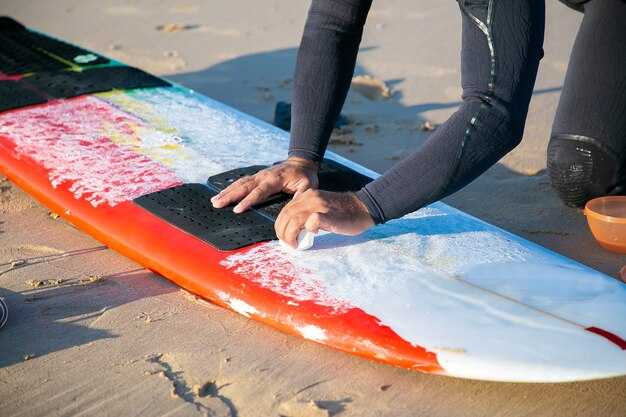 Wakeboard Sizes, Profiles, and Shapes – The Definitive Guide">

picking the right wakeboard size starts with your weight and experience. For beginners, choose a board in the 136–139 cm range if you weigh about 60–85 kg; riders heavier than 85 kg will feel more stable on a 139–142 cm board, while lighter riders benefit from 132–136 cm. This narrowing helps improve balance and early catch-free rides, so they can focus on the basics rather than fighting the board.
In wakeboard profiles, the difference between continuous rockers, 3-stage rockers, and hybrid shapes guides your performing 스타일. Choose a continuous rocker for smooth planning and a steady arc; a 3-stage setup delivers more pop and a bigger swing on launches, which helps when learning tricks. For beginners and riders chasing stability, a rounded rail setup reduces edge catches and providing predictable behavior in chop. they also help heavier riders, who often benefit from slightly longer boards with a softer rocker line to keep speed without digging in.
When selecting boards for specific riding, consider how the profile handles speed, pop, and edge control. they tend to blend a balanced outline with a rounded nose, which helps turns flow into forgiving landings and keep the swing predictable. If you aim for better control on big wakes, a heavier core and a longer outline can help, with a rounded rail that stays predictable in chop. For pros and ambitious learners, evaluate a mid-length board to build confidence before moving to pro models, wondering how your weight, skill, and conditions shift the selection. Providing more time on the water, the right choice reduces fatigue and increases session length.
Practical Framework for Choosing Gear by Ability Level
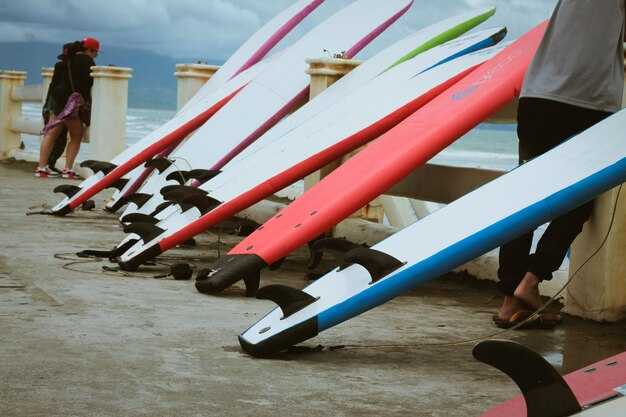
Begin with wakeboard boards that are 4–6 cm longer than your height, rounded in the tips for smooth releases, a large surface for added stability, and soft bindings that let your ankles flex. These boards provide stability on flat water and make the start easier, so you can enjoy learning without stressing your back, providing predictable balance for beginners.
Intermediate riders can tune toward a balance: choose a board around your height with a medium rocker and a mid-flex; a slightly narrower profile improves edge control. Bindings should be mid-stiff to deliver feedback without harsh landings. This setup supports maneuvers and getting into the groove of ripping toward more aggressive lines, while keeping enough stability for daily sessions. For park riders, add a grind that is clean and controlled to build confidence there on the water. If you ride rails, practice the grind with controlled heelside and toeside approaches. There thats a natural progression toward greater capability.
Advanced riders move toward shorter wakeboard length with a narrower, more rounded outline and a crisp, fast rocker. Although it demands consistent technique, this setup boosts speed and agility for aggressive maneuvers and rail lines. A shorter length, about height minus 2–6 cm, and a taller stance improve pop and control. Bindings should be stiffer for precise landings, yet forgiving enough to protect ankles. Because this setup reduces swing weight, you pop higher and land cleaner, thats why this profile is favored by riders chasing bigger hits, yet it still maintains stability there when you land.
Sizing the Board: How to pick length and width based on weight, height, and riding goals
Start with weight-based starting points: under 60 kg: 132–136 cm; 60–75 kg: 134–138 cm; 75–95 kg: 136–140 cm; over 95 kg: 138–142 cm. This yields a stable platform and increased confidence on takeoffs and landings. For about a 70 kg rider at 175 cm, aiming for parks and cable riding, pick a 136–138 cm board, which offers quick transitions and cleaner edge control.
Height and body proportions shape your stance width. A taller rider benefits from a slightly wider stance to disperse pressure across the board, while a shorter rider keeps the stance near shoulder width for quicker response. This matters for balance and direct edge control, and it signals to informed onlookers that you sized the board appropriately.
Riding goals guide the rest. If you prefer smoother landings and softening of impact, choose a board within the mid-to-long range; if agility and pop matter more, lean toward the shorter end. For parks and experienced riders chasing crisper turns and big airs, go longer within the recommended band. A mid-range length offers quality stability while remaining nimble, increasing your chance to learn new tricks and offering a solid platform for progression.
Width matters as much as length. Measure your boot width and pick a waist width that leaves about 1–2 cm of toe clearance and a similar allowance for the heel in stance. If you wear a larger boot (US 12+), start with a wider waist; if you wear a smaller boot (US 7–8), go narrower. This approach provides cleaner turns, reduces toe-drag, and makes the setup easier to cater to bindings, providing a direct, comfortable feel for both beginners and experienced riders.
Camber and overall profile influence agility and pop, but sizing remains the foundation. For most riders, a mid-camber board sized within the mid-range balances stability with playfulness. For heavier or taller riders, a longer length with a softer camber increases comfort and diminishes edge catching, offering a safer ender on difficult landings. About this, the approach is common among experienced riders, and the best boards then become quality tools for all-day sessions in parks and cable systems.
Profile Fundamentals: How rocker, concave, and deck shape affect stability and lift
Choose a board with a mellow continuous rocker for learning; it keeps speed controlled and the water feel smoother, reducing edge catches and helping you stay centered during starts.
Rocker profiles
- Continuous rocker: delivers steady speed and stable tracking, especially through flats and chop. Edges stay predictable, making it easier to keep the board in line and perform smooth transitions.
- Three-stage rocker: yields bigger pop off the wake and faster planing, but the ride can feel less forgiving in rough water; ideal for advanced riders chasing lift and longer, direct swings off the wake.
- Hybrid rocker: blends the benefits of both, providing reliable planing speed with added pop when you need it, catering to riders who ride parks, flats, and occasional kickers.
Concave and hull shaping
- Flat bottom with a shallow single concave: centers lift and delivers a smoother transition at speed; reduces bite on edge changes and helps riders stay balanced through slides and rolls.
- Double concave with a tail V: channels water toward the rails for extra lift and a crisp edge response; enhances performance at speed and during launches, though it requires precise timing to avoid oversteer in corners.
- Edge interplay and concave: shapes that emphasize the edges provide more direct grip for carving, while milder concave reduces abruptness in landings, making it easier to stay in control during transitions.
Deck shape and rails
- Square rails: offer direct edge feel and solid bite in parks and on rails; this feature helps you keep a steady line when you’re ripping through transitions and slides.
- Rounded rails: deliver a smoother entry into turns and a forgiving feel on choppy water; great for progressing riders who want confidence during flat-water wakes and landing softly.
- Deck stiffness and camber: stiffer decks return energy quickly for faster pop, while softer decks absorb bumps for a steadier feel during long rides and landing sequences.
Selecting sizes and features
- Size guidance: for most riders, boards in the 135–139 cm range cover a broad weight span; bigger riders gravitate toward 140–144 cm, smaller riders toward 134–136 cm. Bigger sizes generally provide more stability around flats and rough water.
- Profile by goals: beginners benefit from a gentle rocker and flatter hull for easy planing; park riders may prefer square rails and a stiffer deck for direct control during slides; advanced riders often seek a hybrid setup for versatility.
- Making the informed choice: test different features and sizes to keep informed, and select boards that cater to your expected terrain–flats, parks, or a mix. источник usable guidance can come from coaches or experienced riders; use that источник to compare how performance differs in real conditions.
Key takeaways for performance
- Speed and lift hinge on rocker and hull shape; smoother water interaction equals steadier planing and better time on edge holds.
- Edges and rails determine how directly you can swing into turns and how stable you stay on landings; square rails give you bite, rounded rails give you forgiveness.
- Feature selection should match your level and riding style: bigger boards aid stability, while lighter, narrower boards boost responsiveness for advanced maneuvers.
thats the core idea: a balanced profile lets you stay in control through flats and wake, while still delivering enough lift for confident launches. Keep exploring different sizes, rocker types, and concave configurations to find the setup that lets you perform consistently and progress steadily, especially when you’re riding in parks, on the lake, or chasing smoother lines over rough water. The path to finding your ideal feel comes from trial, time, and making informed choices about edges, shapes, and decks, always guided by your preferred riding context and goals.источник
엣지와 캠버: 베벨, 캠버 및 플렉스가 그립, 팝 및 랜딩에 미치는 영향
다재다능함을 위해 적당한 베벨 및 캠버로 시작하세요: 3~4도 에지 베벨과 중간 캠버 프로파일은 다양한 수면 조건에서 접지력, 탄성, 그리고 안정적인 착지를 제공합니다. 이 설정은 중간 정도의 라이더, 파크와 에어리얼 트릭을 즐기는 라이더, 그리고 표면에서 안정적이고 예측 가능한 성능을 원하는 라이더에게 적합합니다. 균형 잡히고 제어하기 쉬워 실수를 완화하고 일관성을 향상시키는 데 도움이 될 것입니다.
엣지 베벨 상세 사항: 날카로운 엣지는 채널과 레일 슬라이딩 시 더 깊이 파고들어 평평한 보드보다 발사 시 접지력을 높입니다. 약 2도 정도의 완만한 베벨은 바닥 떨림을 완화하고 표면을 예측 가능하게 유지합니다. 파크의 경우, 접지력을 높이지만 베이스에서 물을 잡는 것을 피하십시오. 이는 착지를 망칠 수 있습니다.
캠버와 플렉스: 캠버는 탄성을 저장하여 반발력을 높입니다. 중간 아치는 공중으로 도약하는 데 도움을 주어 더 나은 에어리얼을 제공합니다. 중간 부분의 부드러운 플렉스는 착지 시 충격을 완화하여 초보 라이더가 베이스를 제어하기 쉽게 합니다. 단단한 플렉스는 반발력을 증가시키지만 부드러운 착지 시 완화하기가 더 어려울 수 있습니다. 대부분의 조건에서는 중간 정도의 플렉스가 가장 적합하며, 라이더는 그립과 안정적인 착지 모두를 즐길 수 있습니다.
바닥 모양 및 컨케이브: 중앙 부근의 깊은 컨케이브는 칼날 컨트롤과 고르지 못한 물결에서의 안정성을 향상시킵니다. 사진과 같이 베이스 주변의 4채널 바닥은 물을 빼내어 회전 시와 거친 표면에서 접지력을 높입니다. 이러한 설정은 파크에서나 슬라이드를 연결할 때 착지 컨트롤에도 도움이 됩니다.
라이더별 팁: 초급자는 부드러운 엣지 베벨(낮은 각도)과 플랫한 캠버를 선택하고, 약 1~2도 베벨과 완만한 표면을 선택해야 합니다. 파크로 이동하는 라이더는 엣지 그립력을 더하고 약간 더 단단한 플렉스를 선택하여 팝을 향상시킬 수 있습니다. 다양한 조건에서 라이딩하는 라이더의 경우 미드 컨케이브 바닥이 있는 캠버는 다양한 시나리오에 적합하며, 착지 시 그립력과 안정성을 제공합니다.
로커 구성: 컨티뉴어스, 3단계, 하이브리드 실제 팁과 함께 설명
대부분의 라이더에게는 하이브리드 로커를 선택하세요. 부드러운 플래닝과 빠른 테일 킥이 결합되어 다양한 조건에서 편안한 전환과 안정적인 팝을 제공합니다.
지속적인 로커 팁부터 테일까지 하나의 흐르는 호를 유지하여 긴 미들 부분을 만들어 카빙 및 활주 시 안정감을 줍니다. 추진력을 보존하고 갑작스러운 전환을 줄이며 고속에서의 안정성을 높여 초보자는 자신감을 얻고 프로는 예기치 않은 상황 없이 더 긴 라인을 유지할 수 있습니다. 엣지는 예측 가능한 바이트로 계속 연결되어 있고, 프로필은 잔물결 속에서도 관대합니다. 안정적인 물에서 라이딩하거나 깔끔한 라인을 유지하고 싶을 때 이 설정은 뛰어난 성능을 발휘합니다. 연속적으로 웨이크를 빠른 속도로 타는 느낌이 더 부드러워지고 일상적인 라이딩을 위한 일관되고 유연한 회전을 지원합니다.
3단 로커 세 개의 뚜렷한 굴곡을 거쳐, 깔끔한 이탈과 강력한 팝을 제공합니다. 테일은 큰 플립과 높이를 위해 날카로운 킥을 더하고, 중앙은 플래닝을 돕기 위해 더 평평하게 유지됩니다. 결과적으로 웨이크에서 더 무겁고 갑작스러운 느낌이 들며, 거친 물에서는 덜 관대할 수 있습니다. 더 높은 공중, 정확한 팝 타이밍, 강력한 오프킥을 추구한다면 사용하십시오. 매끄러운 조건에서 더 높은 속도로 최대의 임팩트와 컨트롤을 원하는 라이더에게 적합합니다.
하이브리드 로커 더 부드러운 중간 부분과 약간의 테일 및 팁 킥을 결합하여 파크, 레일 및 보트 웨이크에서 다재다능하게 성능을 발휘하는 프로필을 만듭니다. 이 디자인은 중간 부분의 안정성을 유지하면서 제어된 적당한 팝을 제공합니다. 그 결과 부드러운 착지와 빠른 전환 모두에서 편안함을 느끼게 하며 거의 모든 조건에서 안정적인 느낌을 주는 유연한 카테고리가 탄생했습니다.
실용적인 팁: 더 빠른 엣지 반응과 중간 걸림 방지를 위해 다이아몬드 팁이 있는 프로필을 선택하십시오. 속도 향상과 더 부드러운 착지를 위해 오른손 스탠스에서는 연속형 또는 하이브리드형을 선택하고, 스위치 라이딩에서는 각 디자인의 플립 반응을 테스트하십시오. 무게로 선택할 때는 체중이 많이 나가는 라이더는 약간 더 긴 보드와 더 단단한 데크가 유리합니다. 이는 성능을 향상시키고 착지 시 흔들림을 줄여줍니다. 수면 아래에서 로커는 파도 속에서 착지할 때 충격에 영향을 미칩니다. 부드러운 상승은 충격을 줄여주고 착지를 더 편안하게 해줍니다. 갑작스러운 끝부분은 보드를 웨이크로 밀어 넣어 더 공격적인 팝을 제공합니다. 더 큰 보드는 물에서 더 길게 느껴질 수 있고, 더 작은 보드는 민첩하고 반응성이 좋게 느껴지는 점을 명심하십시오. 경험 수준과 목표에 따라 선택하십시오.
라이더들의 가이드에 따르면 일반적인 세션에는 하이브리드로 시작한 다음 부드러운 속도를 위해 연속형으로 조정하거나 더 큰 에어를 위해 3단계로 진행하는 것이 좋습니다. 케이블 파크나 보트에서 라이딩하든 올바른 로커 구성은 성능을 향상시키고 카테고리나 스타일에 관계없이 제어력을 유지합니다.
실력 수준 플레이북: 초급, 중급, 고급 라이더를 위한 추천 설정
초보자는 안정성을 극대화하고 출발 시 저항을 줄이기 위해 부드러운 바인딩이 장착된 136–139cm 보드를 선택하십시오.
| Level | 보드 길이 (cm) | 로커/프로필 | 바인딩 & 스탠스 | Why it helps |
|---|---|---|---|---|
|
초심자 |
136–139 |
로우-미드 로커; 예측 가능한 테이크오프를 위한 관대한 엣지 |
소프트 플렉스 바인딩; 스탠스 폭 46–54 cm(18–21 in); 채널은 폭넓고 편안한 설정을 돕습니다. |
첫 라이딩 시 특정 안정성 제공, 더 부드러운 활주, 넘어짐 방지; 라이더들이 코치와 쉽게 피드백 공유; 자신감 획득, 물 위에서 성취감 느낌, 즐겁게 학습 |
|
Intermediate |
137–142 |
미드-하이브리드 로커; 균형 잡힌 팝과 안정적인 착지 |
미드 플렉스 바인딩, 스탠스 폭 51~56cm(20~22인치), 채널을 사용하여 엉덩이에 맞게 정렬 |
더 나은 엣지 컨트롤 및 속도 관리; 기술이 향상됨에 따라 더 부드러운 전환과 반복 가능한 성능을 촉진합니다. |
|
Advanced |
132–136 |
공격적이고 높은 반발력을 가진 보드로, 단단한 구조로 제작되었으며 빠른 턴에 최적화되었습니다. |
뻣뻣한 바인딩; 스탠스 폭 53~58cm(21~23인치); 다이얼로 조절하는 듯한 정밀한 채널 정렬 |
정밀한 속도, 강력한 팝, 세련된 웨이크 관리; 그들은 장애물과 트릭 전반에 걸쳐 정보에 입각한 결정을 지원하는 설정을 선택합니다. |