


 한국어
한국어  English (UK)
  Русский
  العربية
  日本語
日本語  Magyar
  Türkçe
  Español
  Čeština
  Svenska
  Português
  Ελληνικά
  Suomi
Suomi  Nederlands
  Română
  Italiano
  Français
  Polski
  Українська
  Deutsch
  简体中文
简体中文  Slovenčina
 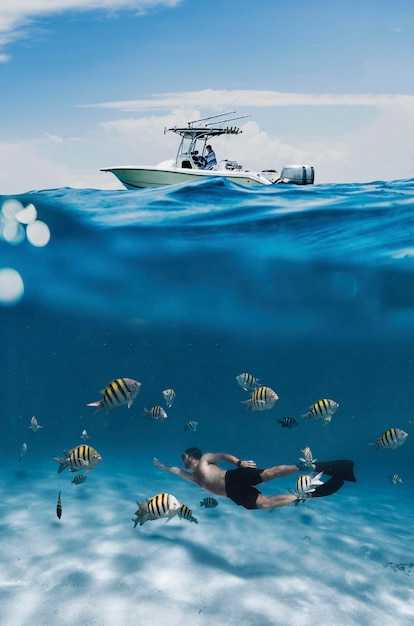 Underwater Exploration – 8 Tips for Snorkeling &">

Start with quick checks of your mask, fins, and snorkel, then breathe calmly at the surface. Also adjust your breathing, align equipment, and establish a minimal buoyancy plan in warm water to reduce effort.
Your observation of patterns in current, light, and reef structure informs every motion. Also stay alert to the signal of shifting flow and animal movement, which helps you keep a safe distance and avoid startling wildlife. Boats and hull wakes are especially important to watch near busy harbors.
Establish a calm rhythm by slow exhalation and deliberate movements, adhering to minimal contact with reef and wildlife. This approach grows your experience in the environment and strengthens your confidence little by little, which is crucial as you face unpredictable currents.
Handle equipment with care, tacking in and out of breaths while keeping your hands free to assist a buddy or remove obstructions. You will feel your confidence rise as you master basic signals, observation, and the ability to respond to minor changes without panic.
Collaborate with clubs or organizations offers guided sessions that tailor pace to your level, emphasizing respect for the marine environment and minimal impact on patterns of marine life. Such programs provide checks on gear and teach a simple handle technique for currents, improving safety and enjoyment.
Keep a personal log to track progress, noting how warm conditions affect comfort and how your confidence grows with each outing. Documentation helps you establish a repeatable routine, maintain adherence to the safety plan, and respond to environmental cues with minimal risk.
Ocean Safety Guide
Establish a buddy pair immediately and maintain close contact; these steps form the foundation of safety beneath the surface. Check current conditions with local advisories, set a meet point near shore, and agree on exit options before any entry.
Inspect gear before entry: masks seal, fins fit, and breathing devices clear. If unwell or tired, halt activity, seek shade, hydrate, and rest enough to recover. Choosing comfortable gear improves comfort, reduces fatigue, and enhances overall safety within the group.
Be aware of wildlife patterns: Hawaiian rays glide along sandy patches; keep a respectful distance and avoid sudden movements. Maintain a floating posture when approaching shallow edges, watching for shadows and movement that signal wildlife nearby.
Follow clear instructions and establish a planned route; current can shift quickly, so stay within arm’s reach of the leader and avoid entanglements with reefs or lines. Close monitoring of surroundings helps prevent collisions with swimmers, vessels, or submerged obstacles.
Preserve vision with a well-fitting mask and anti-fog technique; wipe lenses regularly and avoid touching glass with sandy hands. Floating at the surface enables easier scanning of depth, current, and signs of fatigue in yourself and others; keep enough space between people to prevent crowding.
Designed to be amazing, this guide emphasizes preparation, situational awareness, and calm, deliberate actions. Use these instructions to choose paths, adapt to conditions, and maintain a steady rhythm that matches your skill level and the environment.
Underwater Exploration: 8 Tips for Snorkeling & – Precautions to Enhance Safety
Begin with a basic safety check: test mask seal, fins fit, and buoyancy; confirm current and visibility; set signals and a check-ins rhythm to stay confident during the excursion.
- Basic gear, signals, and check-ins: verify mask seal, fins fit, snorkeler buoyancy, and agree on two simple signals, a time cue, and a point to pause if currents shift.
- Body position and pace: keep shoulders relaxed, head aligned, and legs quiet; slow kicks reduce drag, help conserve energy, and keep you confident when the water dim.
- Current and visibility: scan ahead while staying close to reef structure; if visibility drops, maintain a steady distance and watch your buddy’s signals.
- Wildlife approach: observe where reefs host turtles; keep distance and avoid chasing; if a pass appears, slow down and maintain a calm pace.
- Check-ins rhythm: check-in every few minutes and when you notice a change in current, signal your buddy immediately; use a flag at the surface if you must stop.
- Equipment handling and training: practice how to adjust mask, fins, or buoyancy quickly; this training ensures you can manage needs calmly.
- Depth awareness: avoid going down too deep; stay in zones where you can easily return; relax, breathe slowly, and conserve energy during every moment of the expedition.
- Local context and exit plan: know kealakekua specifics, avoid disorienting currents, and maintain a clear route back to shore; this addition keeps your body steady and safe.
Tip 1–2: Gear selection, mask seal tests, snorkel comfort, and pre-dive checks
Choose a mask that fits your face with even pressure around the seal. A low‑volume design minimizes air loss and reduces fogging, keeping the bottom field clear. When choosing, try several models and sizes, having a friend compare fit around cheeks and nose, then adjust straps slowly; this careful approach saves you from fighting discomfort again.
Seal checks: place the mask on a dry face, press the skirt to skin, and inhale gently to pull the edge inward. If air leaks appear around the edge, adjust strap tension or swap to a different size. Do a second test with a light spray of water along the seal to simulate pressure, then verify it holds as you tilt the head down and to the sides.
Snorkels: select snorkels with a soft mouthpiece and a bend that sits comfortably at the corner of your mouth. A larger bore eases slow breathing but can bring more drag, while a smaller one resists; consider your situations. If you fight mouth fatigue, try a different mouthpiece or a shorter tube; ensure the top of the tube stays away from the lip line to prevent gagging. Some models use reef-safe materials and include a purge valve to ease clearing; practicing with the gear ahead of time boosts enjoyment.
Pre-checks: inspect straps and buckles; confirm snorkels show no cracks; verify connectors are secure; wipe surfaces dry and test the mask seal again while held on your face out of water. Keep a compact checklist and run through it in every situation. This systematic approach cuts risk and speeds readiness.
Environmental note: reef-safe choices protect biodiversity and reef protection. Opt materials that resist micro‑plastics, avoid giant, heavy gear that slows movement, and reduce lingering gear around delicate habitats. By practicing proper methods, you improve enjoyment through smoother handling and safer sessions; this mindset has earned fame among many famous instructors.
Tip 3–4: Master breathing rhythm, buoyancy control, finning technique, and calm water entry
Begin with a steady cadence: inhale through your mouth 2 seconds, exhale 4 seconds, shoulders loose, chest relaxed. Follow these instructions to maintain rhythm. Because air flows more efficiently with a calm core, this pattern keeps your heart rate steady while you breathe through snorkels. In warm water you relax quickly, especially when you practice near sheltered coves. In choppy conditions observe water movement, maintain a neutral head, and stay clear of hazardous currents. A few lessons learned early will boost comfort during every session; the ideal rhythm will become natural, knowing its importance.
Buoyancy relies on your lungs: inhale to rise slightly, exhale to descend, small adjustments keep you near bottom without brushing reef. In tidal zones mind hazardous spots; pull your body back with a gentle exhale when you drift toward sand. ideale you will stay relaxed, observe the water, and maintain a safe distance from bottom shadows. Your needs and understanding of currents will guide movements. knowing your limits will keep sessions healthy.
Finning: execute a flutter kick from the hips, knees only slightly bent, ankles relaxed, toes pointed. Short, compact strokes move you forward rather than long sweeps that stir sand. Pull your feet back after each stroke to reduce drag, and keep a single breath cycle between kicks. Keep foot alignment neutral to avoid ankle strain, maintaining calm, controlled propulsion to stay near the reef without contact.
Calm water entry: choose a sheltered cove or bay, avoid surf that breaks on a shallow bar. Check tidal movement, wind, and current; observe water clarity. Approach feet first, one hand on snorkels to steady. Apply sunscreens on exposed skin before entry; make a plan with your buddy and agree on signals to retreat. Guides mandate staying within sheltered zones when tidal movement rises. The safest sequence starts in shallow, sheltered areas, gradually expanding as you gain confidence, while keeping views clear above water. Healthy breathing and controlled actions will keep you safe near the surface.
Tip 5–6: Buddy system, hand signals, and clear plan of action
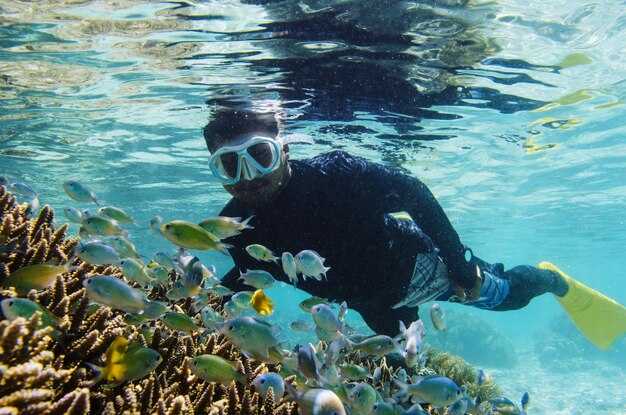
Always pair with a buddy, confirm location, and agree on a clear sequence of actions before any descent.
Daily practice of hand signals sharpens responsiveness and reduces confusion; famous signals include thumbs up for OK, open palm to request a pause, and a light tap on the shoulder to draw attention.
Instructions emphasize head orientation, eye contact, and maintaining a seal around the mouthpiece; verify mask seal and equipment status before submersion to ensure readiness.
Maintaining trust between divers is a gateway to adventure that transforms how you approach each outing; it fully keeps your team safe, protects arms during movements, and helps cope with tidal changes. After one signal, head to the agreed plan, exit when required, and come back together with a calm, detailed rhythm. источник
| Step | Action | Signals | Safety notes |
|---|---|---|---|
| 1 | Pair up, assign lead and follower, and set the exit cue plus a short signal sequence. | Mutual eye contact, thumbs up for OK, flat palm to pause. | Stay within arm’s reach; verify mask seal and regulator comfort before drift. |
| 2 | Run a quick pre-dive check of gear, air pressure, and buddy status in shallow water. | Tap shoulder to request reset; nod if ready to proceed. | If any doubt, pause and recheck before proceeding deeper. |
| 3 | Maintain line-of-sight with partner; use light taps to communicate distance changes. | Open palm to indicate hold; two taps to indicate move left or right. | Keep momentum steady; conserve effort, avoid hyperventilation, and monitor tidal shifts. |
| 4 | Follow the plan to regroup at the designated zone; surface together if risk increases. | Wave once when ready to surface; two quick taps to confirm regroup. | Exit path clear of crowds; head to safe clearance and recheck gear after ascent. |
Tip 7–8: Currents awareness, visibility considerations, wildlife boundaries, and emergency steps
Begin with a quick condition check and select a short, sheltered route; wear a mask and snorkels that fit snugly, with fitting straps, and test them on land before entering. If you need to enter again, do so with caution. Keep the group tight, people included, and stay ready with calm breathing to boost confidence during the outing, especially in caribbean waters.
Currents awareness: assess surface flow by watching wave direction, floating debris, and your pace when moving with the body; turn toward the entry if drift increases or if someone loses sight; keep breathing calm, avoid sprinting, and set a clear turn cue so they remain within arm’s reach, headed toward the last marker buoy, and they can handle sudden changes.
Visibility considerations: sun height, turbidity, and depth affect contrast with reef boundaries; in poor light stay nearer, maintain line of sight, and avoid entering murky zones near structure; if visibility worsens, recheck positions and gear with each pause.
Wildlife boundaries and etiquette: give fish space, avoid touching corals, and do not chase; enter water slowly, keep fingers low and still, and having kids or beginners stay close to the guide to minimize disturbance; they respond to abrupt motions, so smooth, deliberate actions protect habitat and safety.
Emergency steps: in distress signal clearly with hand up or whistle, stop, and ascend along the safest channel; once on surface, communicate location to a buddy, verify mask and snorkels are secure, reapply straps if needed, and gather at a prearranged point; practice breathing to control panic and conserve lung capacity during repeated attempts.
Gear handling and readiness basics: selection of equipment that fits each person; check the fit, recheck straps, and have replacements ready; this reduces dropout risk and keeps people comfortable during the outing; left side or right side adjustments matter when teams navigate currents together. Begin with a quick gear check before every session to build confidence.
Bottom line: staying vigilant, respecting boundaries, and following a simple emergency routine builds confidence and makes outings safer and keeps participants cool, encouraging more people to explore the sea while learning critical skills.