


 한국어
한국어  English (UK)
  Русский
  العربية
  日本語
日本語  Magyar
  Türkçe
  Español
  Čeština
  Svenska
  Português
  Ελληνικά
  Suomi
Suomi  Nederlands
  Română
  Italiano
  Français
  Polski
  Українська
  Deutsch
  简体中文
简体中文  Slovenčina
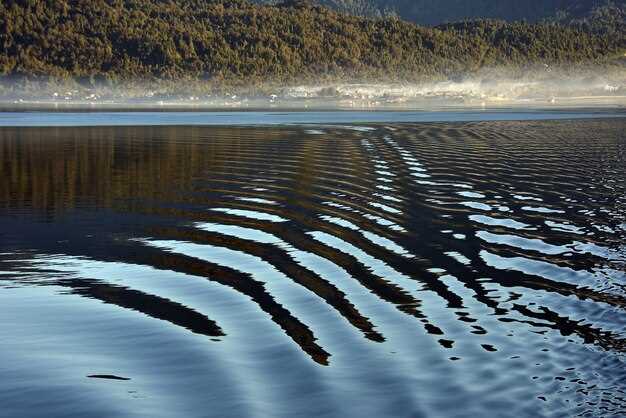
When it comes to exploring the dynamics of water, understanding waves is crucial. Waves have a profound effect on both our environment and our leisurely activities. On every ocean cruise, for example, the behavior of waves can greatly influence the experience on board. For a perfect outing, you’ll want to know the type of waves you might encounter, whether it’s calm or thrilling, which can make or break your trip. We’ll delve into the science behind wave formation, ensuring you’re equipped with the knowledge to better appreciate this natural phenomenon.
Waves can be classified into various groups based on their formation and impact. Whether celebrating a corporate gathering or enjoying a half-day trip on a spacious vessel, understanding the types of waves allows a customer to make informed choices. Each wave has its own unique characteristics, including height and energy, which can vary dramatically depending on factors such as wind speed and ocean depth. This depth of understanding can enhance experiences, making each outing not only more enjoyable but also safer.
The impact of waves extends beyond leisure activities; their role in our ecosystem is equally significant. From coastal erosion to aiding in navigation for vessels, waves are a critical part of marine services. As we explore the science of waves, we’ll also delve into the equipment and technology that help us navigate these ever-changing waters. You should consider how understanding the nuances of waves can transform your boating experience, making it more enjoyable and ensuring that your gatherings on the water are truly memorable.
Wave Formation: The Mechanics At Play
Waves in water are a fascinating phenomenon that can be understood through a scientific lens. The formation of waves occurs when energy travels across the surface of a body of water, creating a continuous motion. This energy often comes from the wind, which plays an essential role in enabling the initial disturbance needed for waves to form. As the wind blows, it transfers energy to the water, resulting in a process that can be both simple and complex.
The mechanics behind wave formation can be broken down into several key steps. First, the wind creates friction as it moves across the water’s surface, leading to the production of small ripples. Over time, these ripples can travel farther, gaining both speed and size. The energy allows them to slide seamlessly across the water, creating a scenic display for those aboard recreational charters or homes situated by the shore.
As waves grow, they become more structured and can take on various forms. For instance, in ideal conditions, you may find yourself on a spacious 28ft vessel ready to explore the awesome excitement of larger waves. The waves can be categorized into different types, each offering unique characteristics that serve specific purposes, such as paddle boarding or simply enjoying a day of floaton relaxation.
Many enthusiasts seek additional tips to better understand wave dynamics. Observing the environment, including the way the tide interacts with underwater structures like reefs, can provide insight into wave behavior. It’s important to remember that weather conditions play a pivotal part in this process, as storms and other phenomena can adversely affect wave patterns.
When booking a trip, it’s helpful to know the rules of wave riding. For example, always keep safe communications with your crew and remember to respect the rights of fellow passengers. Having the right equipment, which may include specialized gear for surfing or coordinating with seasoned guides during a bananarama excursion, will increase your enjoyment.
In conclusion, understanding wave formation encompasses a combination of natural forces and human interaction. By exploring the mechanics at play, you’ll be ready to make the most of your aqua adventures, whether that means riding the devils of the ocean or simply soaking up the sunsation of a calm day at sea. Each trip offers its own unique experiences, waiting for you to discover through exploration and celebration of nature’s marvelous waves.
How Wind Influences Wave Creation
Wind plays a crucial role in the formation of waves in water, primarily through its interaction with the surface. As wind blows across the water, it transfers energy, creating ripples that can grow into larger waves. The relationship between wind and waves is strictly governed by various factors such as wind speed, duration, and fetch.
When wind speed increases, the energy transferred to the water also rises, resulting in larger and more powerful waves. This can lead to exciting conditions for watersports enthusiasts, including wakeboarding, swimming, and tubing. During weekends or getaways, groups of friends often embark on trips to areas stocked with amazing waters, where they can dive and engage in thrilling activities.
As wind continually works on the water surface, the waves begin to develop profiles that vary based on the intensity and consistency of the wind. In Mansfield, for example, technical knowledge about local winds can help experienced sailors and swimmers better understand the waves they encounter. Enough information can guarantee safety, especially when participating in classic hobbies such as sailing or cruising.
The fetch, or the distance that wind travels over water, is another important factor influencing wave size. Longer fetch allows waves to develop more substantially, while short fetch can lead to more small and choppy conditions. Someone on a romantic getaway might prefer calmer waters, while others may seek the excitement of larger swells for their watersports activities. This distinction changes how people plan their trips, as they might choose different locations based on expected wave conditions.
Once waves are formed, they can drop back into the water or travel towards shore, creating a wake that can be both mesmerizing and functional. Wakeboarding, for instance, relies on these waves to provide a thrilling ride. Accommodating for different activities, boats come equipped with ladders and vests to ensure safety while enjoying the waters. It’s vital for anyone venturing into such environments to be aware of the wave action and its potential impacts.
In conclusion, understanding how wind influences wave creation is essential for anyone exploring water sports or planning a trip to enjoy aquatic activities. By considering factors like wind speed, fetch, and wave types, individuals can better prepare for an amazing day on the water, ensuring that their experiences are both exciting and safe.
The Role of Seafloor Topography in Wave Development
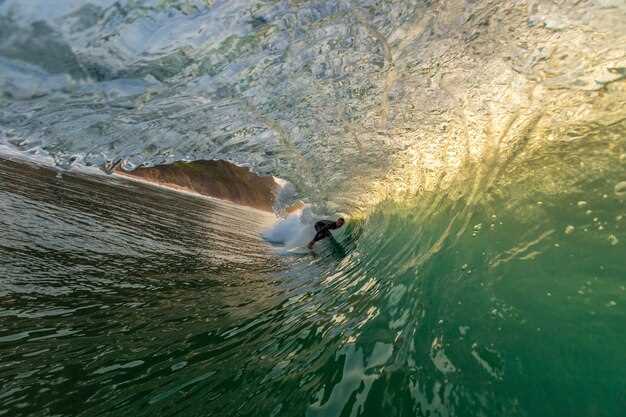
The seafloor’s topography plays a crucial role in the behavior and formation of waves. When waves travel across the water, they are influenced by the underlying geological features, which can modify their speed, direction, and height. For instance, when a wave encounters a steep drop-off or an underwater ridge, it can cause a substantial change in its dynamics. This alteration can lead to the creation of thrilling surf conditions, ideal for sports enthusiasts looking to ride the waves.
Certain types of seafloor structures, like reefs and sandbars, can enhance the quality of wave breaks, providing exceptional spots for surfers and other water sports. These geographical formations contribute to a unique vibe that attracts numerous beachgoers and adventurers alike. For many, the memory of riding a wave near a stunning underwater feature becomes an unforgettable part of their ocean experiences.
Additionally, the presence of a diverse topography may impact the wave’s size and strength as it approaches the shore. On occasions, this phenomenon can create larger, more defined swells, ideal for exciting parties aboard yachts or barge cruises. Passengers often appreciate the views that come with these dynamic conditions, which are particularly picturesque during sunsets.
Understanding these interactions allows captains and marine users to make informed decisions when planning trips, ensuring a relaxing and safe experience. Reviews and feedback from fellow sailors and surfers indicate that knowledge of the seafloor can enhance the overall quality of outings on the water. With this information, everyone can enjoy their time cruising while being ready for any surprises that may arise from the interactions between waves and underwater landscapes.
In conclusion, the seafloor topography is a fundamental factor in wave development that should not be overlooked. Its influence not only shapes the behavior of waves but also enhances the thrilling experiences available to users of the ocean. As we continue to explore these waters, we deepen our understanding and appreciation for the natural forces at play.
The Impact of Weather Systems on Wave Heights
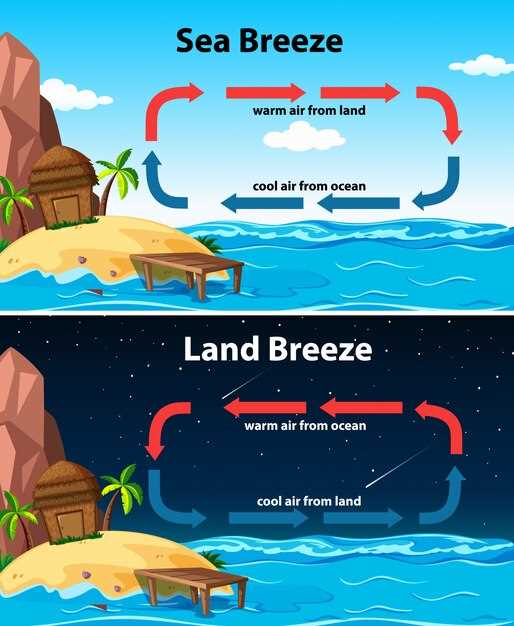
The interaction between weather systems and wave heights is a dynamic process that significantly influences our understanding of ocean behavior. Different types of weather patterns can explicitly affect the characteristics of waves, leading to variations that impact both recreational and commercial activities at sea. For ordinary surfers and everyone involved in water sports, knowing how these systems work is essential for safe experiences on the water.
Storm systems, such as hurricanes and strong frontal systems, can generate higher wave heights by increasing wind speeds over the ocean’s surface. These winds create a lively atmosphere where waves build into powerful swells, capable of reaching heights that could be over ten meters in extreme conditions. In contrast, under calm weather conditions, wave heights tend to be more moderate, providing a nice environment for leisure activities like cruising and relaxed boarding excursions.
A table below outlines the correlation between different weather systems and their typical impacts on wave heights:
| Weather System | Wave Height Impact | Typical Conditions |
|---|---|---|
| Calm High Pressure | Low (0.5 – 1 meter) | Clear skies, light winds |
| Regular Low Pressure | Moderate (1 – 2.5 meters) | Cloudy with some wind |
| Storm System | High (2.5 – 10 meters) | Strong winds, heavy rain |
| Hurricane | Very High (over 10 meters) | Severe weather, extreme winds |
Additionally, the role of the ocean’s topography and its response to different weather systems cannot be overlooked. Coastal features can either amplify or reduce wave energy, affecting local wave heights. This understanding becomes particularly crucial for captains and service providers who offer cruises and excursions, ensuring the safety of all aboard during varied weather patterns.
In conclusion, weather systems play an integral part in the complexity of wave formation and behavior in our oceans. Awareness of these rules helps everyone, from leisure surfers to professional seafarers, to better prepare for their time on the water. As we continue to explore these aquatic environments, the interplay of weather and waves reminds us of nature’s unpredictable personality, promising both challenges and spectacular experiences.
Types of Water Waves: Classification Explained
Water waves can be classified into various types based on their formation process, characteristics, and impact. Understanding these classifications helps identify the best options for recreational activities, such as sailing or soaking in beautiful tropical settings.
Firstly, surface waves are created through wind action, leading to the formation of ripples that grow into larger waves. These waves are common in open waters and offer a refreshing vibe for those who enjoy leisure activities. The statistics show that surface waves can reach heights of several meters depending on the wind speed and duration.
Secondly, we have internal waves, which occur beneath the surface of the water. These waves are less visible but can exhibit amazing effects on marine ecosystems and can be crucial for ship navigation. Internal waves often gather energy from tidal currents, making them a necessary factor to consider for any maritime planning.
Another classification is based on wave frequency and duration. High-frequency waves, often referred to as capillary waves, are typically short-lived and form quickly, offering a choppy feel on the water’s surface. In contrast, low-frequency waves can extend for hours, creating a smooth and long-lasting surface that might be perfect for tubing or barge excursions.
Additionally, tsunamis represent a unique and dramatic type of wave. Triggered by seismic activity, these waves can travel across entire ocean basins, posing significant hazards to coastal homes and communities. Understanding the potential impact of tsunamis can help prioritize safety measures for residents living in vulnerable areas.
Lastly, waves can also be categorized by their transmission speed. Fast waves travel across large distances efficiently, while slower waves tend to dissipate before reaching shore. This classification is important for sectors working with watercraft, such as yacht providers and leisure cruise operators, as it affects route planning and booking arrangements.
In conclusion, the classification of water waves into types based on formation, frequency, and impact offers essential information that affects both leisure and technical activities on the water. Embracing this knowledge can enhance the overall experience for all water enthusiasts, whether they are enjoying a peaceful day on a paddleboard or planning a thrilling sailing adventure in Texas.
물에서의 역학파와 전자기파
이 _차이를 이해하는 것 기계적인 그리고 전자기파 물속에서의 움직임은 에너지가 다양한 매질을 통해 어떻게 전파되는지 파악하는 데 필수적입니다. 기계적 파동, 예를 들어 시원하다 호수 표면의 산들바람이나 카약으로 인해 생기는 잔물결은 이동하는 매질을 필요로 합니다. 이러한 파동은 물리적인 움직임을 허용하며, 항해나 패들보드와 같은 활동이 이루어지는 물 위에서 즐거운 오후 시간을 보내는 동안 우리가 즐기는 파도의 형태로 볼 수 있습니다.
다른 한편으로, 전파와 가시광선을 포함하는 전자기파는 물이나 공기와 같은 도관 없이도 진공을 통과할 수 있습니다. 이러한 파동이 물 표면에서 직접적으로 보이지 않을 수 있지만, 통신에서 중요한 역할을 하며 다음과 같은 점을 부각합니다. necessary 기술과 자연 간의 상호작용의 예로, 일부 보트와 요트는 이제 전자기 기술을 활용하여 항해하며, 선장들이 항해 계획을 세우는 동안 위험 지역을 피해갈 수 있도록 돕습니다.
이러한 파동의 영향은 레크리에이션 및 합법적인 목적 모두에 상당합니다. 기계적 파동은 침식 및 퇴적물 분포에 기여하여 해양 환경에 영향을 미칩니다. 한편, 전자기파는 광대한 거리를 커버하여 중요한 정보를 제공합니다. homes 해안가에 있는 사람들과 물 위에 있는 사람들 모두에게 중요합니다. 제트 스키와 웨이크보드를 포함한 많은 주말 활동은 이러한 파동 역학에 대한 이해에 달려 있습니다.
프리미엄 렌탈 경험에 관심이 있든, 오후 한때를 신나게 보내고 싶든, 기계파와 전자기파의 차이를 이해하면 주변 세상에 대한 감상을 높일 수 있습니다. 물결의 파형은 그것이 어떻게 작동하는지 탐구하는 데 시간을 투자할 때 스릴 넘치는 경험을 약속하며, 물 위에서 보내는 매 순간이 즐거움과 지식으로 가득 차도록 보장합니다.
16피트 보트부터 활기찬 분위기를 선호하는 이들을 위한 파워툰까지, 다양한 선택지를 제공하여 주변 파도의 역학을 알게 되면 수상 액티비티가 더욱 즐거워집니다. 따라서 친구들과 주말을 보낼 준비를 하든, 잔잔한 날씨에 항해를 하고 싶든, 파도를 이해하면 물 위에서 보내는 시간을 최대한 활용할 수 있습니다.