프라이빗 요트에서의 미식 여행: 2026년 럭셔리 가이드

Private yacht charters let you enjoy restaurant-quality meals while moving between anchorages. The experience stands out because the setting changes with each stop, the chef works directly with your preferences, and the entire meal happens away from crowds.
What makes dining on a yacht different
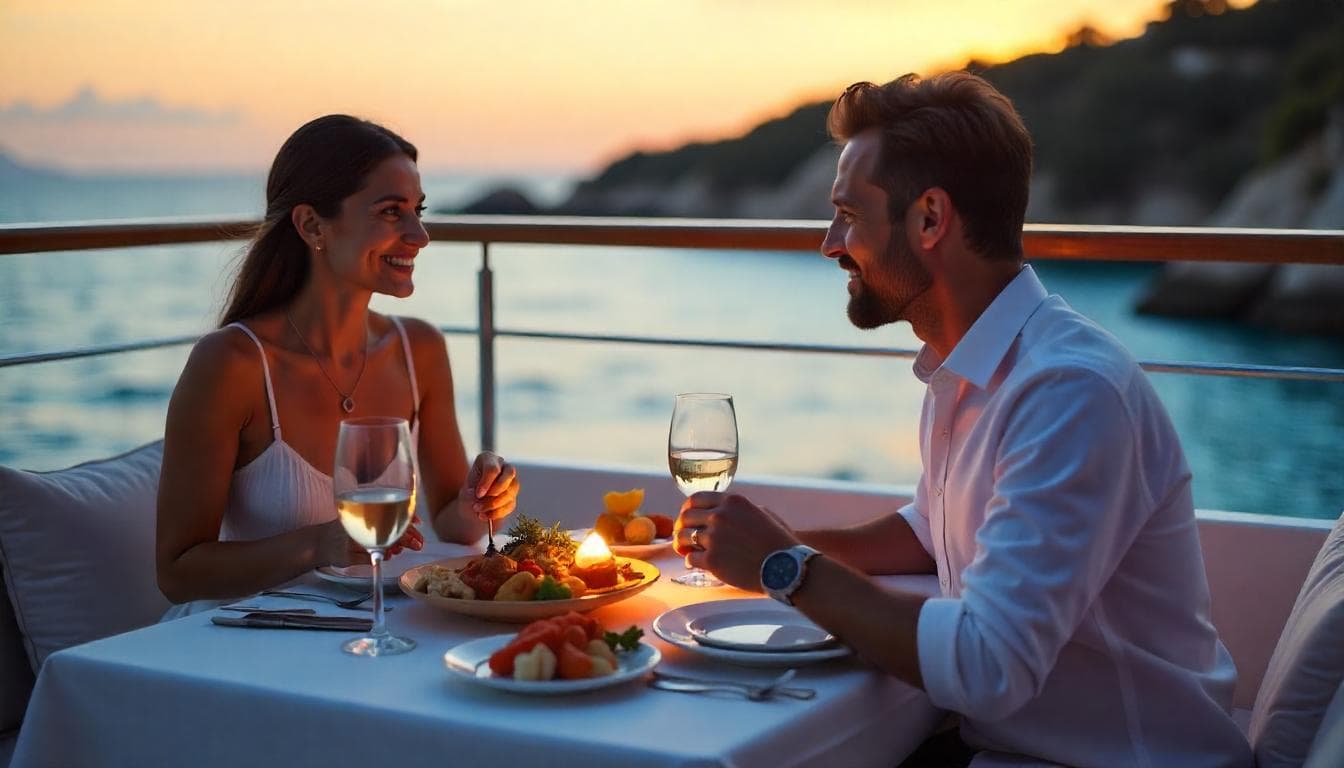
Guests often notice the quiet and the views first. A table on deck can face open water or a shoreline, and the boat’s motion stays gentle when anchored. Because the space is private, you can linger without turning tables or noise from other diners. Many people also value the direct contact with the chef, who can adjust dishes on the spot rather than following a fixed menu.
Working with the chef before and during the trip
Most charter agreements include a chef as part of the crew. Before departure you usually share dietary needs, favorite ingredients, and any dislikes. The chef then builds a plan that fits the length of the trip and the ports you will visit. Once underway, the same chef can change a dish if the day’s catch looks better than expected or if someone feels like something lighter after a day of swimming.
📚 추천 콘텐츠
Communication works best when it stays simple. A short list of must-have meals and a few flexible options gives the chef room to use what is freshest at each stop.
Finding ingredients along the way
Chefs restock at local markets whenever the yacht ties up or sends a tender ashore. In many regions this means fresh fish, vegetables, and fruit that traveled only a short distance that morning. The result is food that tastes of the place you are visiting rather than of long-haul shipping. When the boat stays at sea for several days, the crew relies on careful planning and proper storage rather than daily shopping.
Setting the table and choosing the spot
The crew usually handles linens, plates, and lighting. On many yachts the same team that cooks also sets up a sheltered area on the flybridge or in the cockpit so the meal stays comfortable even if the breeze picks up. Timing often follows the light: lunch while the sun is high, or dinner once the boat is anchored and the horizon turns gold. Small details such as keeping hot dishes under cover until everyone sits down help the food reach the table at the right temperature.
How to choose a yacht when food matters most
Look first at the galley size and the chef’s experience rather than only at cabin count. A larger galley gives the chef more workspace for plated service, while a smaller one still works well for simpler menus. Ask the charter company how often the chef has cooked for groups with similar tastes to yours. Reading recent guest notes about meals gives a clearer picture than brochure photos alone.
When you are ready to compare options, you can browse crewed yachts with experienced galleys through GetBoat and filter by chef profiles and guest feedback.
Frequently Asked Questions
How far in advance should I discuss the menu?
Most people send preferences two to three weeks before the charter. This gives the chef time to order specialty items and plan shopping stops. Last-minute changes are still possible for daily meals, but big requests such as a whole lobster dinner or a multi-course tasting menu work better with notice.
Can the chef handle food allergies or specific diets?
Yes, provided the information reaches the crew before provisioning. Common requests such as gluten-free, vegetarian, or low-sodium menus are handled routinely. Severe allergies should be confirmed in writing so the galley can separate equipment and ingredients completely.
What happens if the weather changes the plan?
The crew moves the table to a protected area or delays service until conditions improve. Because the yacht carries its own kitchen, meals continue even if you cannot go ashore. Chefs keep backup dishes that do not rely on perfect deck conditions.