


 한국어
한국어  English (UK)
  Русский
  العربية
  日本語
日本語  Magyar
  Türkçe
  Español
  Čeština
  Svenska
  Português
  Ελληνικά
  Suomi
Suomi  Nederlands
  Română
  Italiano
  Français
  Polski
  Українська
  Deutsch
  简体中文
简体中文  Slovenčina
 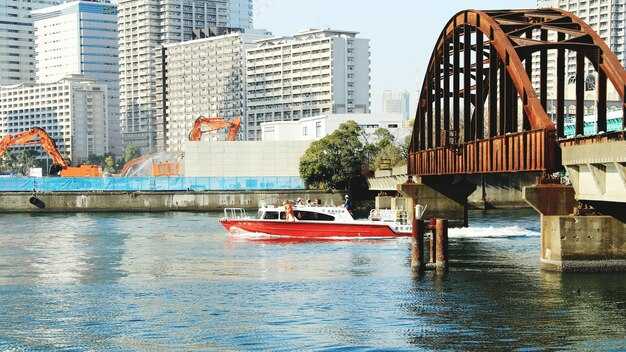 Traveling the City by Water – Your Essential Guide to NYC Boats and Ferries">

Looking to escape traffic? Start with this: book a rental for NYC ferries; it helps you skip long lines and makes a great day on the water. Build a complete plan by marking moorings, landings, and the ferry lines that connect your start to your destination. Keep the route within the areas you’ll visit and note where you can 공유하다 a boat with friends to save time.
Most NYC Ferry lines run every 15–30 minutes during the day, with shorter waits at night. Typical travel times include 8–12 minutes from Manhattan to DUMBO and 5–7 minutes to Roosevelt Island; ferries to Red Hook can take about 25 minutes. Arrive at the landings 5–10 minutes before departure to avoid missing a boat. If you’re looking for flexibility, a rental boat lets you tailor a harbor loop with others in your party.
Safety first: inspect the hull and confirm the required safety gear is aboard, including a working extinguisher. In busy waters you’ll share space with swimmers and other vessels near landings, so follow the crew’s proper instructions, maintain a safe speed, and keep a clear lookout at all times.
Plan at the harbor’s moorings and nearby areas with easy access to multiple lines. Note that different operators use different landings and may have specific rental rules, so check in advance. If you want a great first ride, start near Wall Street or Battery Park to hop onto a morning ferry heading toward brooklyn or yorks coast.
Share routes with others to cut costs and crowding, and keep a compact packing list so you don’t block aisles on the ferry. Before you set out, verify areas you’ll visit and the lines serving them, then head to the moorings with confidence. A few practical habits–watch the wind, respect swimmers, and check the hull condition of any rental vessel–make water travel a reliable, great way to see NYC from the harbor.
Traveling the City by Water: NYC Boats and Ferries, and Differences from Urban Boating
Choose the NYC Ferry network for cross-borough hops and reliable times. The system connects Manhattan, Brooklyn, Queens, and the Bronx with dock moorings and predictable schedules, especially on weekdays. For shorter hops, harbor shuttles link piers along the East River, with current listings posted on the operator’s app or website. If you have questions, the listings provide the exact times and routes.
Urban boating typically relies on private vessels with variable schedules and on-demand launches. NYC Ferries operate fixed routes and host- points, while owners of private boats must coordinate mooring or anchor placements with harbor authorities. The difference shows in pace, costs, and safety requirements. Laws govern both, but enforcement differs by service type. The combined effect is a quicker, more predictable way to travel between boroughs. If needed, you can combine ferry legs with a short private ride to reach a dock not served directly.
- Routes and mooring: ferries dock at fixed points such as Whitehall, Pier 11/Wall Street, and Red Hook; private boats usually require a mooring space or an anchor near a shore point that keeps a clear approach path for larger vessels.
- Rules and safety: operators enforce safety equipment and sound-producing device restrictions near docks; private boats must follow harbor rules and carry appropriate equipment for passengers.
- Costs and listings: ferry fares are posted publicly; private groups or owners may arrange private trips with custom pricing; check listings for birthdays or special events, and confirm capacity.
- Times and crowds: ferries offer regular headways, while crowds vary by point; plan morning departures on weekdays to minimize crowds and maximize daylight.
Practical planning notes: December weather often brings cooler air and gusty winds, so dress in layers and verify departure times the morning of travel. On private launches, ensure the first step is confirming an appropriate mooring plan or anchor location, then create a simple on-board plan for your group. Use a device to monitor live updates and keep safety gear, including life vests and signaling equipment, ready for launching or disembarking.
체크리스트 (빠른 참조):
- 경로, 시간 및 첫 출발 시간은 목록을 확인하세요.
- 실시간 업데이트 및 날씨 알림으로 장치를 준비하세요.
- 붐비는 시간을 피하기 위해 적절한 시간, 가급적 평일 오전 시간을 선택하세요.
- 목적지 근처 안전한 지점에서 계류할지, 닻을 내릴지 결정하십시오.
- 발사 준비를 확인하고 장비가 완전하고 준비되었는지 확인하십시오.
NYC 물 여행 실용 가이드: 보트, 페리, 그리고 도시 보트와 어떻게 다른가
실용적인 움직임부터 시작하세요: 배터리 파크 시티에서 거버너스 아일랜드로 가는 편도 페리 티켓을 구매하여 스케줄을 테스트한 다음, 이른 귀환이나 추가 방문을 계획하세요.
NYC 페리는 게시된 시간과 예측 가능한 지연과 함께 계획된 경로로 운행되며, 한 번 운행에 수백 명의 승객을 태웁니다. 이 페리들은 견고한 부양 시스템에 의존하며 이스트 강과 뉴욕 항을 따라 흐름을 형성하는 조류를 타야 합니다. 날씨나 항만 교통이 지연되면 지연이 발생할 수 있지만, 게시된 시간 범위 내에서 대부분의 연결편이 하루 종일 제시간에 운행됩니다.
반대로, 개인 보트나 수상 택시를 이용한 도시 보트는 더 큰 유연성을 제공하지만, 연료 보급, 연료 계획, 부두 근처의 저속 운행을 직접 처리해야 합니다. 페리는 정해진 구간과 시간 내에서 운행하지만, 다른 교통수단은 당신의 선박과 일정에 맞춰 적응해야 합니다. 이러한 차이는 여러 번 이동하거나 더 오래 머무는 미래 여행에 중요하며, 과정을 간소화하기 위해 승무원과 협력하거나 가이드 투어에 참여할 수도 있습니다.
초보자는 공식 경로를 이용하고, 구명조끼를 착용하며, 출발 전에 규칙을 숙지해야 합니다. 게시된 안내도, 안전 브리핑, 부두 안내문을 읽으며 지식을 쌓으세요. 낚시나 카약 여행을 계획한다면 지정된 구역에 머물고, 페리 항로를 존중하며, 프로토콜을 알 때만 다른 사람들과 함께 물에 들어가세요. 일찍 출발하면 혼잡을 피할 수 있습니다. 야간 여행은 추가 조명과 항로 표지를 확인하기 위한 추가적인 주의가 필요합니다.
앞을 내다보면 현재 한계를 넘어 네트워크를 확장할 운영자가 여러 명 있을 수 있습니다. 미래에는 파트너십을 통해 뉴욕시 터미널을 벌링턴, 커유가와 같은 인근 호숫가 마을과 연결하여 주말 여행에 새로운 기회를 창출할 수 있습니다. 이러한 변화에는 연료 인프라와 업데이트된 규칙이 필요하지만, 여행자들은 수년간의 변화를 통해 항만 역학을 경험할 기회를 더 많이 얻게 될 것입니다.
페리를 타기 위해 도시를 떠나든 조용한 카약 여행을 선택하든, 각 여정을 해안가 여정의 일부로 여기세요. 주요 통근에는 계획된 믿을 수 있는 서비스를 이용하고 유연한 여행에는 개인 옵션을 예약하세요. 지연이 발생하면 계획을 변경하거나 다른 경로에 합류하거나 다른 시간대를 시도하세요. 항구는 섬의 번잡함 바로 너머에서 호기심을 유지하고 준비된 여행자에게 보상을 제공합니다.
섹션 1: 여행에 적합한 선박 선택
빠르고 믿을 수 있는 해상 이동에는 씨스트릭을 선택하세요. 이동 시간을 단축해주고 빡빡한 일정에 맞춰 움직일 수 있도록 도와 여러 장소를 하루에 방문하고 싶을 때 이상적입니다.
소규모 그룹과 함께 조용하고 경치 좋은 하루를 보내고 싶다면 유서 깊은 해안선을 따라 보호된 항구를 운항하는 요트가 좋습니다. 잔잔한 물 위를 미끄러지듯 작은 섬들을 지나가고 특별한 누군가가 창가 자리에 앉아 랜드마크를 발견하고 여행 중 배 안에서 즐길 활동을 계획할 수 있습니다.
예산이 중요하고 중간 기착지 선택에 유연성을 원한다면 NYC 페리 스타일의 서비스가 더 저렴한 비용으로 동네 간 별도 노선을 제공합니다. 부두 근처에 주차하기도 쉽고, 날씨 변화에 따라 일정을 변경하기도 용이하며, 선상 액티비티와 해설을 통해 여행을 더욱 풍성하게 만들어 하루를 알차게 보낼 수 있습니다.
선박 수용 인원도 중요합니다. Seastreak 선박은 수백 명의 승객을 수용하는 반면, 요트의 경우 소규모 그룹이 최대입니다. 성수기에는 미리 예약해야 하며, 비수기에는 잠깐 들러서 자리를 확보할 수 있는 경우가 많습니다. 직장 동료들과 휴식을 취하거나 단체로 외출하는 경우, 일행 규모에 맞는 쾌적한 선박을 선택하십시오.
안전 및 편안 팁: 자외선 차단제와 가벼운 재킷을 착용하고, 휴대 가능한 작은 가방을 가져가세요. 그리고 파도를 최소화하기 위해 보호된 항구와 공원 근처 무파도 구역이 있는 경로를 선택하세요. 해안에서 조용한 시간을 가질 수 있도록 하루를 마무리할 수 있는 계획을 찾아보고, 날씨와 일정이 계절에 따라 변하더라도 첫 번째 선택을 염두에 두세요.
섹션 2: 주요 NYC 페리 노선 및 시간표 기본 사항
최소 24시간 전에 첫 탑승을 예약하여 좌석을 확보하세요. 모두가 명확한 계획과 주요 노선의 실시간 이용 가능 정보로부터 혜택을 얻습니다.
주요 NYC 페리 노선 세 개의 핵심 통로를 포함합니다: 애스토리아-맨해튼 경로, 그 로커웨이-맨해튼 경로, 그리고 이스트 강 맨해튼과 퀸스, 루즈벨트 아일랜드를 잇는 통로입니다. 이 노선들은 상당한 통근자 수송을 담당하며, 주말에는 자치구 곳곳의 공원 및 해안가 지역으로 빠르게 이동하려는 방문객들을 유치합니다. 지도와 시간표는 계절에 따라 변경되지만, 노선망은 일상적인 이용에 안정적으로 유지됩니다.
시간표는 배가 언제 출발하고 얼마나 자주 출발하는지 보여줍니다. january, 첫 배는 더 일찍 출발하고 해가 짧아집니다. 서비스는 황혼까지 계속되며 주말에는 때때로 더 늦게까지 연장됩니다. 가을. 일반적으로 배차 간격은 피크 시간대에는 약 20분 간격, 비피크 시간대에는 40~60분 간격입니다. 평일에는 오전 6시경에 운행을 시작하여 오후 9시 30분~10시경에 종료됩니다. 주말에는 운행 시간이 더 늦어질 수 있습니다. 날씨나 유지 보수로 인해 이용 가능 여부는 부두마다 다릅니다. 해당 날짜의 공식 시간표(nycs)를 확인하고 계획에 영향을 미치는 제한 사항이 있는지 확인하십시오. 출처
티켓 예매 및 계획 팁: 공식 앱 또는 기기를 사용하여 예약하세요. 좌석 변동이 빠르므로 미리 예약하는 것이 좋습니다. 이른 아침 출발의 경우, 환승을 최소화하고 지연 없이 목적지에 도착할 수 있도록 종점까지 직행으로 운행하는 부두를 선택하세요. 가방을 소지하는 경우, 작은 가방 하나만 챙기고 부두 규정에 맞게 과도한 크기의 수하물은 피하세요. NYC 페리 이용객은 황혼 시간에 맞춰 탑승 계획을 세우고, 인근 공원이나 자치구의 해안 산책로와 연계하여 황혼녘 경치를 감상할 수 있습니다. 이는 석양을 감상하기에 이상적인 방법입니다. 출처
섹션 2: 티켓 구매처 및 나에게 맞는 패스 선택
오늘 공식 NYC 페리 앱 또는 매표소를 통해 온라인으로 구매하여 시간을 절약하고 선착장에서 줄을 서지 마세요.
티켓은 어디서 구매하나요?
- 공식 앱: 빠른 결제, 저장된 프로필, 결제 정보 보호.
- 주요 터미널 매표소: 카드 및 현금 결제 가능, 직원이 노선 문의 응대 및 섬과 강 정보 제공.
- 피어 키오스크: 빠르고, 접근성이 좋으며, 막바지 탑승에 이상적입니다. 새벽에 출발할 때를 대비해 미리 이용하세요.
패스 옵션 및 추천
- 1회 이용: 강을 건너거나 인근 섬으로 한 번 이동할 때 가장 적합합니다.
- 10회 탑승권 묶음: 이번 주에 여러 번 이동할 계획이 있고 탑승당 예상 비용을 알고 싶을 때 이상적입니다.
- 30일 패스: 여러 자치구와 도시 정류장을 연결하는 일일 통근자에게 적합하며, 자주 이용할 경우 가장 저렴한 1회 탑승 요금을 제공합니다.
가격 현황 및 팁
- 요금은 1회 탑승당 약 1회 탑승당 $4부터 시작하며, 10회 탑승 묶음은 일반적으로 단일 요금에 비해 15~30% 절약 효과가 있습니다. 30일 옵션은 서비스 지역에 따라 다르지만 보통 몇 백 원대입니다.
- canandaigua, jersey, kent 원산지 옵션에 대해 앱을 확인하고 일부 경로에 적용되는 지역적 통관 또는 제한 사항이 있는지 확인하십시오.
- 가치를 극대화하려면 미리 계획하고, 단체 여행에 참여하고, 섬과 유역 전반에서 이러한 활동을 위한 패스를 활용하세요.
Extra notes
- 배를 놓치는 위험을 감수하고 싶지 않다면, 앱에서 패스를 준비하고 쉽게 접근할 수 있도록 하세요. 티켓을 보호하고 신속하게 유효성을 확인할 수 있습니다.
- 오늘날 자치구를 연결하는 더 많은 방법을 찾을 수 있으며, 이러한 서비스는 주민과 방문객 모두를 지원하도록 설계되었습니다.
- 기업 단체나 학교 프로그램의 경우, 사무실로 연락하여 여러 참가자를 아우르는 패스를 준비하고 시간표를 조율하십시오.
- Some routes offer special programs or seasonal events; watch for announcements and plan to join in these activities.
- If you’re stopping at dawn or planning island excursions, a multi‑ride option can simplify your day and keep you moving.
- Support is available from the harbor office; if you need accessibility or equipment modifications, staff can help ensure a smooth trip.
- After a ride, grab a tiki‑inspired drink from waterfront stands to cap the day.
Section 3: Boarding, Accessibility, and Onboard Tips
Arrive 15–20 minutes before planned departure and head to the stable forward ramp for boarding at the seastreak terminal, then move toward the landings and your assigned seating area.
Here is a practical checklist to streamline the process: confirm your dawn sailing time, have a personal ID ready, and request accessibility support at the counter if needed.
Accessibility: seastreak 그리고 others provide wheelchair-accessible ramps and seating; tell staff your needs at least 30 minutes before departure.
Onboard tips: store valuables in waterproof bags, keep personal items in waterproof pockets, and secure equipment in racks; if you have a pump-out requirement, follow crew directions.
During docking and landings, maintain stable footing, use handrails, and step carefully onto landings; avoid blocking gangways.
Regulations and subsidies: life jackets are provided on every vessel; children under 13 must be on deck with an adult; check regulations before fishing from piers or boats, and look for subsidies offered for groups or seniors where available.
Kayak and fishing specifics: if you plan to bring a kayak, choose a small, foldable model that fits in the rack and confirm weight limits with the operator; store fishing gear securely when not in use to prevent tangling.
December tips: planned maintenances can shift open departures; monitor the operator’s app or texts for updates before dawn, and have a backup plan in case schedules change open to weather conditions.
Section 3: Weather, Safety, and Comfort on the Water
Check the forecast and tide tables before you rent a boat, and design a route that stays within safe corridors along your cove. Your plan starts with a specific forecast window, a map of creeks and islets, and a clear itinerary that matches your sailboat’s capacity with your crew, and it keeps you prepared for quick changes.
Equip every person with proper life jackets, a whistle, and a waterproof flashlight. Pack dry bags for valuables and a spare change of clothes; secure loose items and stow bags low to avoid shifting weight. For night trips, add extra lighting and a portable radio so you can communicate if visibility drops. Yourself stays safer when gear is within easy reach and properly secured.
Weather can shift quickly around NYC waters, so review winds, gusts, and current forecasts for the Rockaways, creeks behind the islets, and other areas you plan to cross. Respect wakes and keep a safe distance from shoals and moored boats; if visibility tightens, reduce speed and switch to a wider corridor. At docks or in the cove, follow the approach guidance from owners requiring adherence to posted rules.
Comfort comes from planning, not panic. Bring sun protection, hydrate, and rest when needed. Keep flexible plans so you can adjust to crowds at docks, changes in location, or a breeze that shifts direction. When you dock, confirm you can reach a pump-out facility and understand any costs involved. Costs vary by marina and season, so map your route with backup stops to avoid surprises.
Owners and marina staff may require specific checks or documentation; check those requirements before you depart and follow the posted rules at every location. With friends aboard, your plan should include contingency stops and a safe anchor if you need to wait out a passing weather cell, ensuring everyone looks after themselves and stays aboard.
| Item | Action | 참고 |
|---|---|---|
| 예보 | Review wind, tide, visibility | Plan for night or day sailing |
| Gear | Equip proper PFDs, whistle, light | Store in bags; check battery |
| 위치 | Know pump-out, cove, and rockaway access | Costs and hours vary by marina |
| 안전 | Stay within corridor, respect other boats | Slow down near islets and creeks |
| Planning | Keep flexible, set backup routes | Coordinate with owners requiring compliance |
Section 3: Transfers, Connections, and Docks for Easy Access
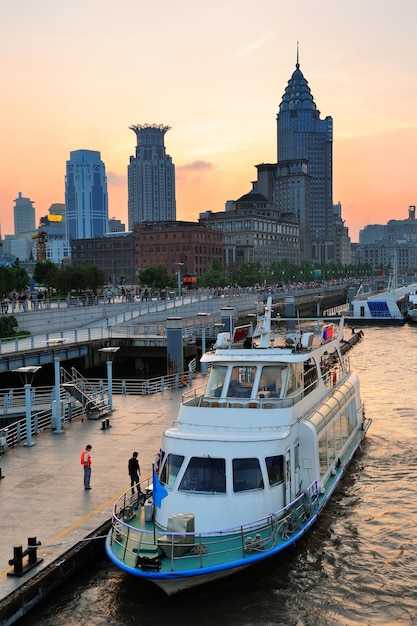
Start transfers by choosing two nearby docks and mapping connection times to avoid missed trips. In nycs, youll often find the distance between key spots along the East River and the Hudson is under a mile, letting you switch vessels quickly without long walks.
Check schedules at the dock or via the operator app to confirm which vessel operates, whether the route is running, and the expected turnaround. For a party or a few people, flexible options let you adjust if one boat is delayed. Ask which docks are operated by the current operator.
Know the restrictions on items and gear before you head out; avoid bringing oversized luggage or bikes on short hops; if something isn’t allowed, give it to a locker or plan a different dock. This keeps lines moving and reduces hassle.
Inspect each vessel before you board; you’ll notice life jackets, waterproof bags, and passenger limits. For a quick pre-departure inspection, look for clear crew signals and accessible exits. If something looks off, ask the crew and use the next available vessel or adjust your route. This practice ensures a smoother trip across the river.
Know distances between docks to optimize your path; plan a route with the shortest walking distance while staying within your time window. Short walks between stations save time for your next trips.
Locations with convenient access are your best bet for a light transfer load; choose docks close to your hotel, party venues, or work site. This setup keeps your schedule flexible and reduces fatigue.
Early arrivals are worth it; you’ll have a cushion if a vessel is late, and you can switch to the next option at nearby docks without rushing.
Working with groups helps; coordinate a pickup point with your party and confirm the dock’s highest crowd flow times, so you can plan a sequence that minimizes waiting. If you stay with two or three docks, you can go from one to another with little transfer distance.
Safety and access checks at the pier are routine; expect nearby staff to handle workflows and verify boarding passes; this step reduces misreads about which locations host your next ride.