


 한국어
한국어  English (UK)
  Русский
  العربية
  日本語
日本語  Magyar
  Türkçe
  Español
  Čeština
  Svenska
  Português
  Ελληνικά
  Suomi
Suomi  Nederlands
  Română
  Italiano
  Français
  Polski
  Українська
  Deutsch
  简体中文
简体中文  Slovenčina
 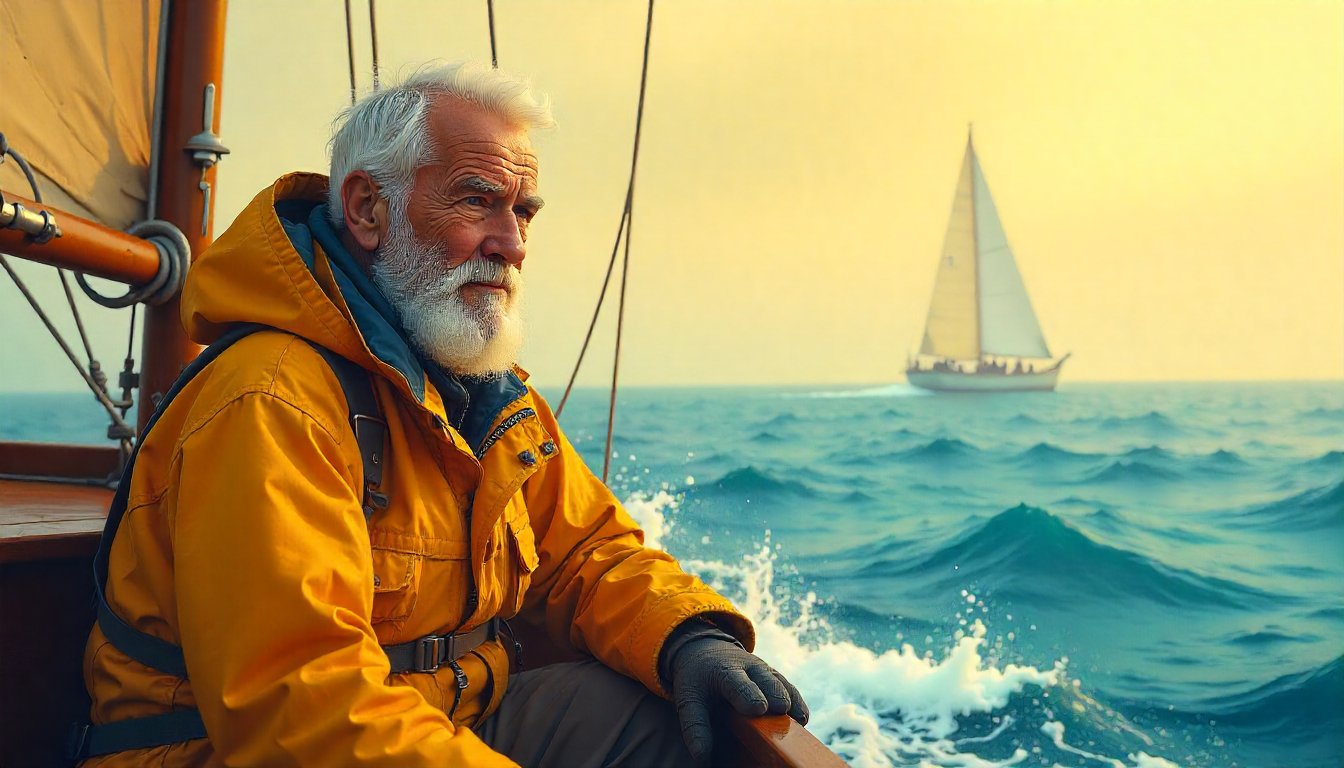 How to Slow Down and Stop a Boat Safely: Essential Boating Techniques">

Operating a vessel on open water requires more than steering skills; knowing how to slow down a boat and eventually bring it to a full stop is a fundamental part of boating safety. Without understanding the right way to stop, even experienced operators risk collisions, damage, or injury. Whether you are maneuvering through a crowded marina or approaching a dock, mastering the techniques to slow down and stop a boat is essential.
Why Learning How to Slow Down a Boat Matters
Every captain, from beginner to seasoned, must understand that water behaves differently than pavement. Unlike a car, a boat doesn’t have traditional brakes. Instead, operators rely on engine controls, momentum management, and environmental awareness. To slow down a boat effectively, you must combine throttle adjustments, shifts between forward and reverse, and careful observation of wind and current.
When you want to stop a boat, it’s rarely an instant process. Water resistance, vessel size, and speed all affect the outcome. Understanding the ways to stop in various conditions gives you confidence and keeps passengers safe.
Basic Principles of How to Slow Down a Boat
The Role of Momentum and Water Resistance
One of the first lessons in boating is that a moving vessel won’t stop immediately once the throttle is released. Instead, it glides due to momentum. Unlike vehicles on land, boats rely on drag from water and deliberate gear control to slow. Recognizing this principle helps you prepare well in advance when you need to stop.
Anticipating Your Stopping Distance
To stop a boat smoothly, think ahead. The faster your forward motion, the longer the stopping distance. If you’re traveling at high speed, you’ll need much more time to come to rest than when moving slowly in a marina.
Shifting Into Reverse
A classic way to stop a boat involves using the engine in reverse. When you shift into reverse, the propeller pushes water in the opposite direction, helping reduce forward speed. For larger vessels, this may require a strong and timely shift to counter momentum. Smaller boats often respond quicker, but the technique still requires precision.
Different Ways to Stop a Boat
There isn’t just one way to stop; different conditions call for different techniques. Here are the most common ways to stop a boat safely:
1. Idle and Drift
Sometimes the best way to stop is simply to let the boat drift. By reducing throttle and leaving the gears in neutral, the vessel slows gradually. This method works best in open water where obstacles aren’t nearby.
2. Controlled Reverse
Another effective way to stop is by applying reverse thrust. Shift into reverse smoothly to avoid jerking motions. This technique is especially useful when docking or maneuvering in tight spaces.
3. The Quick Stop
In emergencies where you need to stop a boat as fast as possible, you may have to shift into reverse aggressively. While not the most comfortable method for passengers, it’s often the best way when safety is at stake.
4. Use of Wind and Current
Experienced captains also use natural forces to help slow the boat. Turning slightly into the wind or against the current reduces speed more quickly. This way to stop can be subtle but highly effective.
How to Stop a Boat in Different Conditions
Stopping at High Speed
When moving fast, you need to stop a boat in stages. First, reduce throttle gradually. Next, shift into reverse briefly, then back to neutral. Repeating this process helps prevent damage to gears and keeps control.
Docking Maneuvers
Approaching a dock requires patience. The best way to stop a boat in this situation is to combine low throttle, short bursts of reverse, and steering corrections. Always approach slowly, since you can add power if needed but cannot remove momentum instantly.
Emergency Stops
If you need to stop a boat suddenly to avoid collision, shift into reverse immediately. Keep a firm grip on the wheel and prepare for passengers to lurch forward. Though abrupt, this method can prevent accidents.
Common Mistakes When Trying to Stop a Boat
Even seasoned operators make errors when learning the ways to stop. Some common problems include:
- Shifting too late: Waiting too long before applying reverse can make it impossible to stop in time.
- Overusing reverse: While reverse is useful, constant harsh shifts can damage gears.
- Ignoring wind and current: These forces can push you off course, even after you think you’ve stopped.
- Failing to anticipate momentum: Boats carry more motion than many expect, especially heavier ones.
Step-by-Step: How to Stop a Boat Safely
- Reduce throttle gradually. Sudden drops in power can cause loss of control.
- Shift into neutral. Let drag naturally slow forward motion.
- Shift into reverse if needed. Apply short bursts, not prolonged thrusts.
- Adjust steering. Keep the boat straight while slowing.
- Use natural forces. If possible, let wind or current assist in slowing.
- Final neutral position. Once speed decreases, return to neutral and drift.
By practicing these steps, you’ll master the way to stop in almost any condition.
Key Tips for Safe Stopping
- Always look ahead. Scan for obstacles before beginning to slow.
- Try placing yourself in advance. Position the boat for easy docking or anchoring.
- Know your gears. Shifting into reverse is useful, but don’t overdo it.
- Practice often. The best way to improve is repetition in different waters.
When You Need to Stop a Boat Quickly
Sometimes you want to stop a boat not just for docking, but to avoid swimmers, debris, or other vessels. In these cases, remember:
- Shift into reverse immediately.
- 모멘텀이 줄어들 때 방향을 제어하기 위해 바퀴를 사용하세요.
- 승객의 안전을 위해 주의 깊게 관찰하십시오.
긴급 상황에서 보트를 늦추는 방법을 아는 것은 심각한 사고를 예방할 수 있습니다.
결론: 보트 속도를 늦추고 정지시키는 방법 숙달하기
배의 속도를 늦추고 안전하게 정지하는 방법을 배우는 것은 모든 선장이 개발할 수 있는 가장 중요한 기술 중 하나입니다. 정지하는 방법은 속도, 수질 조건 및 위치에 따라 다양합니다. 후진 기어를 넣는 것부터 단지 선박이 떠내려가게 하는 것까지, 올바른 기술은 상황에 따라 달라집니다.
선박을 부두에서, 외딴 물에서, 또는 비상 상황에서 정지시키든, 운동량을 예측하고 올바른 기어 제어를 사용하면 선박은 안전하게 조종하고 사고 없이 기동할 수 있습니다. 연습, 인내심, 그리고 요소에 대한 인지력을 통해 정지는 자연스러워지고, 모든 여정에서 승객과 선박 모두를 안전하게 지켜줄 것입니다.