


 한국어
한국어  English (UK)
  Русский
  العربية
  日本語
日本語  Magyar
  Türkçe
  Español
  Čeština
  Svenska
  Português
  Ελληνικά
  Suomi
Suomi  Nederlands
  Română
  Italiano
  Français
  Polski
  Українська
  Deutsch
  简体中文
简体中文  Slovenčina
 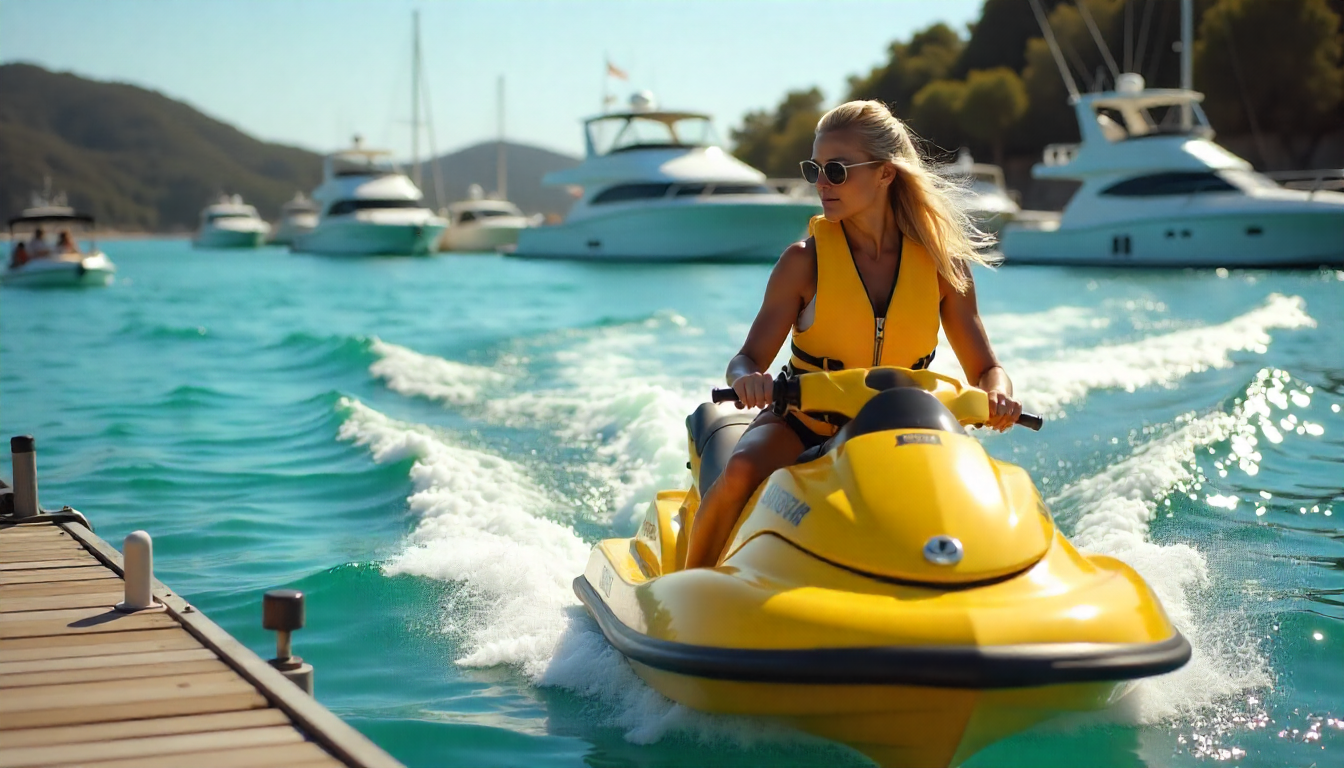 How to Dock a Jet Ski Safely: Beginner-Friendly Docking Tips">

제트 스키 도킹은 처음 배울 때는 두려울 수 있지만, 연습과 올바른 기술을 익히면 자연스러워집니다. 부유식 도크를 사용하든, 공공 도크에 묶든, 수위가 변동하는 곳에서 개인용 선박을 도킹하든, 이 과정을 이해하면 안전을 확보하고 스트레스를 줄이며, 선박과 주변 선박을 보호할 수 있습니다.
본 가이드는 PWC를 도킹하는 단계별 전략을 안내합니다. 도크 접근 방법부터 도크 라인을 올바르게 고정하는 방법까지 다룹니다. 그 과정에서 일반적인 실수, 도킹 솔루션, 다양한 해상 조건에 대한 팁을 강조하여 제트 스키를 프로처럼 도킹할 수 있도록 돕겠습니다.
제트 스키 도킹 방법을 배우는 것이 중요한 이유
많은 새로운 라이더들이 PWC를 제대로 도킹하는 데 필요한 기술의 양에 놀라곤 합니다. 자동차와 달리 개인용 선박에는 브레이크가 없으므로 추진력 제어는 스로틀, 조류 및 타이밍에 달려 있습니다. 천천히 도킹하지 못하거나, 바람과 조류를 잘못 판단하거나, 너무 빠른 속도를 사용하면 제트 스키뿐만 아니라 부두와 주변 선박까지 손상될 수 있습니다.
더 중요한 것은, 도킹은 장기적으로 당신의 PWC를 보호해줍니다. 부적절한 취급은 선체를 긁거나, 도크 라인을 손상시키고, 심지어 사고를 유발할 수도 있습니다. PWC 도킹을 올바르게 연습함으로써, 자신과 다른 사람들을 안전하게 지킬 수 있습니다.
부두에 접근하기 전에 준비하기
준비는 종종 스트레스가 많은 도킹 상황을 피하는 가장 좋은 방법입니다. 부두에 접근하기 전에 항상 다음을 수행하십시오.
- 기상 조건에 유의하십시오. 바람과 해류는 보트의 표류에 큰 영향을 미칠 수 있습니다.
- 수심을 확인하십시오. 일부 부유식 부두나 공공 부두는 수심이 얕은 지역에 있어 대형 선박에는 적합하지 않을 수 있습니다.
- 도크 라인을 준비하십시오. 선수와 선미에 짧은 도크 라인이 있으면 개인용 선박을 고정하는 데 도움이 될 것입니다.
- 일찍 속도를 줄이십시오. 안전하게 도킹하는 가장 좋은 방법은 부두에 도착하기 훨씬 전에 속도를 줄이는 것입니다.
부두에 접근할 때, 과도한 힘을 가하는 것보다 약하게 힘을 가하는 것이 항상 낫다는 것을 기억하세요.
도크에 단계별로 접근하는 방법
PWC를 도킹할 때 가장 중요한 부분은 부두에 접근하는 방법입니다. 이 단계에서 작은 실수라도 발생하면 과도하게 수정하거나 심지어 손상을 입을 수 있습니다. 다음 단계를 따르십시오.
- 각도를 두고 도크에 접근하십시오. 이렇게 하면 방향을 조절할 공간이 생기고 도크를 기준점으로 사용할 수 있습니다.
- 천천히 접안하십시오. 추월하지 않도록 스로틀을 최소한으로 유지하여 추진력을 유지하십시오.
- 가까워지면 엔진을 끄세요. 팔이 닿을 거리에 들어오면 엔진을 끄고 기체가 활공하게 하세요.
- 스로틀 말고 손을 써서 마무리하세요. 부두에서 부드럽게 밀어내거나 제자리로 유도하세요.
이 방법을 연습하면 까다로운 해상 조건에서도 자신감을 가지고 도크에 접근하는 방법을 배우게 될 것입니다.
독 라인 사용 및 PWC 고정
일단 배를 대면 다음 단계는 제대로 묶는 것입니다. 도크 라인은 특히 해상 조건이 변하거나 부유식 도크가 움직일 경우 개인용 선박을 안전하게 유지하는 데 필수적입니다.
- 올바르게 줄을 감으세요. 항상 부두 클리트 주위에 줄을 감아 단단히 고정되도록 하세요.
- 선미와 선수에 묶으십시오. 양쪽 끝에 홋줄을 사용하면 표류를 막을 수 있습니다.
- 수위 변동을 고려하십시오. 수위가 오르내릴 때, 약간의 여유를 두면 배에 무리가 가지 않습니다.
도크 라인은 사소한 부분처럼 보일 수 있지만, 안정적으로 도킹된 배와 부두에 긁히거나 표류하는 배 사이를 가르는 중요한 요소입니다.
부유식 도크 vs. 공공 도크: 차이점은 무엇일까요?
어떤 도킹 솔루션을 선택할지는 주로 어디서 라이딩을 하는지에 따라 달라집니다.
부유식 도크
부유식 부두는 수위 변화에 따라 함께 오르내리므로 수위 변동이 심한 곳에서 특히 유용합니다. 부유식 부두는 주거용 해안가 및 개인 마리나에 인기가 높습니다. 일부 설비에는 부유식 PWC 부두 및 PWC 리프트가 포함되어 있어 사용하지 않을 때 선박을 물 밖에 보관할 수 있습니다.
공용 부두
공공 부두는 통행량이 더 많고, 더 큰 보트가 있으며, 도킹 조건이 더 까다로울 수 있습니다. 이러한 공간에 개인용 선박을 도킹할 때는 부표 에티켓에 특히 주의를 기울이고 주변 선박에 유의해야 합니다.
두 도킹 솔루션 모두 작동하지만, 플로팅 도크는 장기적인 보호에 더 많은 유연성을 제공합니다.
다양한 조건에서 PWC 도킹하는 팁
모든 접안 시도가 잔잔한 물에서 이루어지는 것은 아닙니다. 적응하는 방법은 다음과 같습니다.
바람과 물결
바람과 조류가 당신을 밀어낼 때는 더 날카로운 각도로 부두에 접근하십시오. 그것들이 당신을 부두 쪽으로 밀 때는 너무 많은 운동량을 피하기 위해 속도를 미리 줄이십시오.
분주한 부두
공공 부두에서는 다른 사람의 통행을 방해하지 않도록 신속하게 접안해야 할 수 있습니다. 이러한 경우, 부두에 접근하기 전에 미리 홋줄을 준비해 두십시오.
출렁이는 물
부유식 부두가 도움이 되지만, 움직임을 고려하여 여유를 두고 도크 라인을 묶으십시오.
초보자가 도킹할 때 흔히 저지르는 실수
제트 스키를 안전하게 도킹하는 방법을 배우려면 인내심이 필요합니다. 가장 흔한 실수들은 다음과 같습니다:
- 과속 금지. 높은 스로틀은 제동을 더 어렵게 만들어 충돌 위험을 증가시킵니다.
- 엔진 정지 실패. 프로펠러 손상 및 예상치 못한 가속을 방지하려면 항상 부두에 닿기 전에 엔진을 정지하십시오.
- 부두 로프를 미리 준비하지 않기. 마지막 순간에 허둥지둥 부두 로프를 찾으면 접안이 스트레스의 원인이 됨.
- 수중 환경을 무시하고, 바람과 조류를 고려하지 않은 채 작업을 진행하면 손상이나 틀어짐을 야기할 수 있습니다.
PWC 라이더를 위한 고급 도킹 팁
기본 도킹에 익숙해졌다면, 기술을 연마해 보세요.
- 다양한 각도에서 부두에 접근하는 연습을 하십시오. 이는 다양한 바람 및 해류 조건에 대비하는 데 도움이 됩니다.
- 중립 스로틀을 사용하십시오. 일부 모델은 도킹을 더 부드럽게 해주는 중립 기어를 지원합니다.
- 조선 수리. 장기 보관 시 사용하지 않을 때, 조선 수리는 변화하는 수심과 손상으로부터 귀하의 선박을 안전하게 보호합니다.
숙련된 라이더들은 종종 PWC를 도킹하는 것이 힘보다는 정확성에 더 달려있다고 말합니다. 연습할수록 덜 힘이 필요합니다.
제트 스키 안전 및 마리나 예절
도킹은 여러분의 함선뿐만 아니라 다른 사람을 존중하는 것 또한 의미합니다. 항상:
- 부두 근처에서는 속도를 최소한으로 유지하십시오.
- 선착장 접근 시 주변 선박을 주의하십시오.
- 다른 라이더들의 진행을 방해하지 않도록 부표 에티켓을 지켜주세요.
- 당신의 홋줄이 서로 교차하거나 통행로를 막지 않도록 하십시오.
기억하세요, 선착장은 공유 공간입니다. 개인 수상 오토바이(PWC)를 올바르게 정박하면 모두의 안전을 지킬 수 있습니다.
결론: 제트 스키를 정박하는 가장 좋은 방법
제트 스키를 안전하게 도크하는 방법을 배우는 것은 탈 때마다 보람을 주는 기술입니다. 도크 라인을 준비하는 것부터 도크에 접근하는 연습을 하는 것까지, 모든 단계는 위험을 줄이고 스트레스 없이 pwc를 도킹할 수 있도록 합니다. 부유식 도크, 공공 도크 또는 부유식 pwc 도크를 사용하든, 이러한 기술을 연습하면 더욱 자신감 있는 라이더가 될 수 있습니다.
시간이 지나면 접류가 자연스러워집니다. 개인 수상 장난감을 보호하는 가장 좋은 방법은 꾸준한 연습, 수질 상태에 대한 주의, 그리고 접류를 할 때마다 인내심을 갖는 것입니다.