


 한국어
한국어  English (UK)
  Русский
  العربية
  日本語
日本語  Magyar
  Türkçe
  Español
  Čeština
  Svenska
  Português
  Ελληνικά
  Suomi
Suomi  Nederlands
  Română
  Italiano
  Français
  Polski
  Українська
  Deutsch
  简体中文
简体中文  Slovenčina
 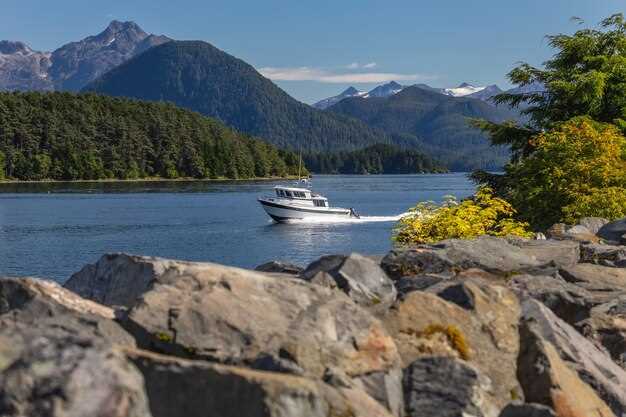 Top 6 Destinations to Visit by Expedition Yacht">

Begin with the Kimberley coast in australia for your first stop, where red cliffs loom over tidal networks and ancient reef rims create an otherworldly backdrop for an expedition itinerary. Providing nearly private anchorages, mangrove creeks, and colors that shift as the sun sinks toward nearly midnight, australias edge delivers quiet coves and wildlife encounters on your schedule.
Next, cruise the Canal du Midi in the south of France, a paved waterway where locks, aqueducts, and stone banks reveal centuries of trade. In Beziers or Toulouse, you can savor french restaurants offering the latest offerings from local chefs, paired with wines from nearby regions. The route yields killer photo ops along the canal’s arches and tree-lined banks.
Cross into the Arctic circle for the Lofoten archipelago, where the midnight sun drapes rugged peaks and sheltered fjords with a soft glow. On board, plan wildlife watching with the crew and set out in the zodiacs to nearby fishing villages that practice time-honored crafts in small harbors.
Then turn toward the Galapagos Islands, where endemic species move with deliberate curiosity along lava shores and turquoise lagoons. Your expedition crew coordinates Zodiac excursions and on-board chefs craft menus from island harvests, combining local ceviche with french-inspired sauces for a unique tasting experience.
In Raja Ampat, Indonesia, you encounter otherworldly reefs glowing in shades of blue and green as manta pass the bow. Nearly every anchor yields pristine coves for snorkeling, while village visits reveal hand-carved offerings and warm hospitality from Papuan families.
Finally, chart Beagle Channel in Patagonia, where granite peaks rise over sheltered coves and penguin colonies parade along the shore. The crew arranges landings on remote beaches, wildlife cruises for albatross and dolphins, and dinners featuring fresh seafood with a touch of smoked chiles from the port markets.
Expedition Yacht Travel Guide
Choose basse-terre as your first anchor, because it offers sheltered bays, calm canal passages through mangrove channels, and immediate access to wilderness coves ideal for exploration.
Plan a route that includes kayaking along tidal creeks, snorkeling above vibrant corals, and a midday call at a hillside village to recharge crew and share stories–this mix keeps days engaging and naturally varied. A saying from seasoned skippers is to balance pace with discovery.
For large vessels, choose moorings in protected harbors and avoid crowded channels during holiday weekends.
Include cultural stops to satisfy broader interests: a maori-inspired art display, a coastal museum, and a local guide who explains navigation traditions from this region.
Watch for wildlife as you sail: humpback whales migrate through winter months; keep a respectful distance and log the encounter in your voyage diary.
Good provisioning helps keep the vacation on track, so plan markets in advance, especially if you seek fresh tropical fruit, seafood, and fresh herbs for meals aboard the vessel.
For a well-rounded voyage, couple sea days with inland excursions–hikes, waterfalls, and a canal-side cruise–to extend the experience beyond water and deliver a truly impressive itinerary.
Rangiroa Atoll: ideal routes, anchorages, and provisioning on the lagoon edge
Enter Rangiroa through Avatoru Pass at slack tide to minimize current and sand buildup, then anchor on the lagoon edge near Avatoru village. For an expedition vessel going into the lagoon, this approach is ideal because it keeps entry stable and puts you within easy reach of shore provisioning and markets. Aboard your vessel, set a comfortable swing in 6–9 meters on clean sand, with a second anchor ready to handle snatching gusts from passing trades.
Two primary routes into the lagoon exist: from the south via Tiputa Pass and from the north via Avatoru Pass. The south route offers a sheltered approach with gentle current; the north route provides a close-up view of vibrant reefs and frequent dolphin activity. Plan timing around the passes, monitor depth, and keep a lookout for distant cargo from ferries. If you wish to minimize distance to the main villages, the Avatoru side is the better option.
Anchorages along the lagoon edge near Avatoru or Tiputa suit a range of vessels. Drop stern or bow anchors in 6–12 meters depending on wind, with plenty of sand to hold. Provisions are practical: fresh baguettes, fruit, and local fish at small markets in Avatoru and Rangiroa village; plan tender trips of 15–20 minutes to shore shops. If you wish to stock up for a remote crossing, coordinate with local contacts in advance and bring spare water and fuel cans where permitted, as supply schedules can be irregular.
The lagoon edge offers fantastic flexibility for an expedition venture, with intrigue around every pass and reef, and the nearby reefs provide close-up snorkeling during daylight and guided sports dives after lunch. The setting is remote enough to feel apart from the Antilles crowds, yet welcoming to crews from australian shores and from australia itself for comparison. For mahé or lucia comparisons, Rangiroa still wins on reef clarity and lagoon protection. The local language is French, with Taotao and English spoken in the tourist hubs; plan simple phrases in advance and maintain a wish for smooth communication. Weather windows drive the distance and timings of passages, so stock up before long legs of the voyage and count the number of passes you sample in Rangiroa as part of your planning. Be mindful that gusts near the outer edge can snatch at sails and rigging, so keep crew alert during transitions.
Fakarava Atoll: navigation windows, protected zones, and diving highlights
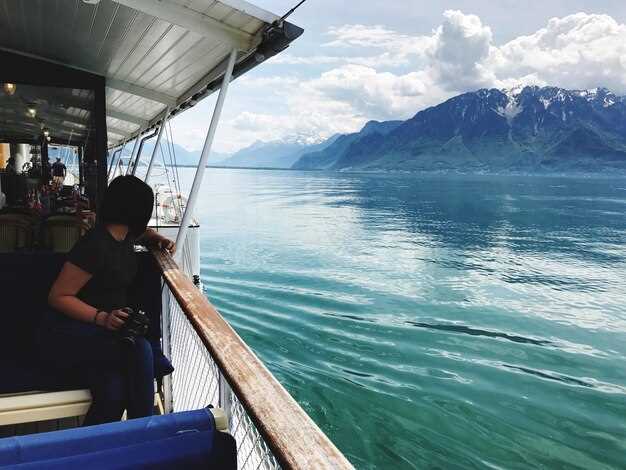
Plan to align your expedition with the Garuae Pass flood-tide window at first light to enjoy a calm waterway and clear visibility; thomas, your captain, will chart the course across the lagoon with a local guide, keeping speeds around 2–3 knots near the reef.
Navigation windows
- Best timing centers on two daily windows when currents ease: the flood-tide opening at dawn and the ebb-tide closing in the late afternoon; verify with local authorities and your captain, because each window can shift with the lunar cycle; guests should keep a flexible schedule to capitalize on these moments.
- Approach from the east side to the garuae pass and maintain a safe distance from coral heads; use the waterway to steer past the outer reef and into the lagoon near the cays.
- Coordinate with your crew and a spotter, coupled with a calm-weather forecast, to maximize safety and the chance of seeing reef life that might surprise you.
Protected zones
- No-take zones guard reef flats and the inner lagoon; guests may access only with a licensed guide and in designated channels; anchoring is prohibited inside these zones to protect nursery grounds for reef species.
- Ensure to anchor only on sandy patches and avoid rocky or fragile sections; near the motu, use designated moorings to minimize impact on corals and seagrass beds.
- Local rangers and a small support team monitor compliance; should you wish to visit, request an exclusive guided route that respects the rules and local communities.
- Historical notes mention oxen on supply boats used on some early charters; today, we rely on dinghies and dedicated tenders to reduce weight on the reef.
Underwater highlights
- Drift along the main waterway through garuae pass reveals clear visibility of 20–40 m on calm days; expect reef-fish schools, manta silhouettes, and reef sharks cruising the drop-offs–an iconic experience for guests who love motion and color.
- Shipwrecks lie across the outer reef and are accessible at low tides from select channels; explore hulls with a guide and observe coral colonization and the life that settles inside the frames.
- Shallow lagoons around the cays feature white-sand flats and vibrant coral gardens, ideal for snorkeling and macro photography; this setting suits photographers comparing scenes across europes, alaskas, grenadines, and lyngen alike.
- Local cuisine on nearby motu offers grilled fish, coconut milk, and taro, often served with lime and herbs; food experiences are exclusive and designed to be as intimate as the underwater moments.
- Access to shipwrecks is typically limited to guided tours to protect wildlife; your guide will coordinate timing with thomas for safe, low-impact visits; meanwhile, you can photograph the interplay of light and water in different tidal windows.
- Each pass presents a different mood–the turquoise lagoon, the pale cliffs along the reef edge, and the deep blue beyond–creating a varied palette for your expedition.
- In discussions with guests, stories travel across oceans–from grenadines to lyngen and beyond–showing how this atoll earns its glamorous, exclusive reputation; these conversations often touch on everything from logistics to local culture, and even to the curious idea that inuit legends drift across the Pacific.
Tikehau Atoll: lagoon navigation, mooring options, and reef passes
현지 선장을 고용하여 석호 경로를 설정하고, 미리 부이 정박지를 예약하십시오. 이렇게 하면 원활한 입항이 보장되고 방문하는 지역 사회를 지원할 수 있습니다. 정박 요금은 일반적으로 소형에서 중형 전세의 경우 1박당 약 150~250달러이며, 성수기에는 계절적으로 가격이 급등합니다. 내해 석호, 암초 통과, 해안 정차 몇 군데를 둘러보는 데 2~3일 정도 계획하세요. 서두르는 것을 피하고 여유로운 속도를 즐길 수 있습니다.
정박 옵션은 두 개의 명확한 구역에 있습니다. 내부 석호에서는 부드러운 라인이 있는 공식 부표 정박지가 선체를 섬세한 부분에서 멀리 유지합니다. 외부에서는 바람이 약하게 유지되면 외해초를 따라 선미를 대는 옵션이 효과적일 수 있습니다. 수심은 약 3–7m이며, 스윙은 40–70m이고 6–8m 텐더를 위한 공간이 있습니다. 마을과 인근 게스트 시설에서 도착을 처리하며, 승무원은 해안 근처에 머무는 데 대해 적당한 요금을 지불하며, 이는 보급품 조달 및 날씨 확인을 위한 안전 대기와 잘 어울립니다.
석호 항로는 수로, 표시된 차선 및 사주를 주의 깊게 도표화해야 합니다. 신뢰할 수 있는 차트와 휴대용 GPS를 사용하십시오. 산호초에 미치는 파도를 최소화하기 위해 외곽 링 내부에서 4–6노트를 유지하십시오. 중앙에서는 산호초가 청록색 물을 둘러싸고 있으며, 알바트로스가 위에서 공중을 순찰합니다. 당연히 산호초 지역을 존중하고, 민감한 지역에 닻을 내리는 것을 피하고, 불안정한 상황이 발생하면 계획을 조정하십시오.
환초 가장자리를 따라 두 가지 주요 옵션을 제공하는 리프 통로가 있습니다. 가장 완만한 흐름을 위해 중간 조수 근처에서 건너십시오. 입구에서 일반적으로 2~3노트의 흐름이 있고 완화 채널에서 최대 4~5노트까지 짧은 순간 흐름이 있습니다. 처음 한두 번 통과할 때는 현지 파일럿을 고용하고, VHF를 켜고, 최신 조수표로 접근 시간을 맞추십시오. 이 접근 방식을 통해 타마린드 블루 워터를 맑게 유지하고 안전하게 건널 수 있습니다.
이 경험은 깨끗하고 손대지 않은 풍경과 유럽 친화적인 물류 프레임워크를 결합합니다. 작은 섬들과 번성하는 앨버트로스 합창을 볼 수 있습니다. 남쪽 석호는 깨끗한 모래톱과 활기찬 산호초 생물을 보유하고 있어 현지 생활을 맛보기 위해 해안 방문을 초대합니다. 갑판에서 소비뇽 한 병은 그날 잡은 해산물과 잘 어울리며 서유럽 및 그 외 지역에서 온 많은 전세기가 태평양의 가장 외딴 지역에서 더 넓은 여정의 일부로 방문합니다. 폐기물과 해양 생물에 주의를 기울이면 그 결과는 그 장소를 영구적으로 존중하는 것으로 남습니다. 확실히 이 정류장은 정신적으로는 먼 사르디니아처럼 느껴지지만 남태평양만이 제공할 수 있는 규모와 야생의 아름다움으로 인해 훌륭하고 작은 예산의 전세기가 해안에서 달러에 밝고 잊을 수 없는 경험을 제공할 수 있는지 보여주는 주요 사례로 남아 있습니다.
마카테아 섬: 정박지 문제, 접근 수로, 해안 방문
권장 사항: 북서쪽 통로를 통해 만조 때 마카테아로 진입하여 중앙 라군에서 모래 바닥 위 12–18m 깊이에 닻을 내리고, 바람이 20노트 이상으로 불면 60–80m의 체인과 두 번째 닻을 준비하십시오. 전세 모터요트에서는 승무원에게 수심과 표류를 모니터링하고, 금지된 암초를 안전한 접근을 위한 지침으로 사용하여 낮 시간에 해안 방문을 계획하도록 지시하십시오.
앵커리지 문제는 높은 석회암 해안선과 얕은 봄미를 숨기는 암초 마루에서 비롯됩니다. 프린징 암초는 제한된 보호 구역을 생성하므로 실무자는 갑작스러운 돌풍 속에서 흔들림 공간과 추가 범위를 계획합니다. 수심은 매우 다양하며 모래 주머니가 좋은 고정을 제공 할 수 있지만 암석이나 산호초는 신중한 범위 관리를 요구합니다. 깨끗한 모래밭이 있고, 홀딩력이 좋으며, 우세한 무역풍으로부터 보호되는 장소를 선호하십시오. 이 지역을 가로 지르는 긴 도약을하는 경우 마카테아는 해안 방문 후 배로 돌아올 때 희귀 한 야생과 국제적인 감각을 제공합니다.
산호초 통과 지점 사이의 접근 수로는 좁아서 정확한 항해가 필요합니다. 공식 해도, 신뢰할 수 있는 GPS 추적, 가능하면 현지 도선사를 이용하십시오. 수로의 더 깊은 곳을 유지하고 산호초 가장자리 바로 아래에 산호초 머리가 숨어있는 바깥쪽 산호초 가장자리는 피하십시오. bommies를 방해할 수 있는 파도를 줄이기 위해 보수적인 속도를 유지하고, 인근 투아모투스 커뮤니티의 교통 정보 업데이트를 위해 VHF와 협력하십시오. 실제로 안전한 기동을 보장하기 위해 간조기 주변 2~3시간의 백업 창을 통해 낮 동안 입항할 계획을 세우십시오.
해안 방문은 최고의 풍경과 문화를 선사합니다. 해안선은 극적인 석회암 절벽, 숨겨진 작은 만, 다채로운 사진 촬영에 이상적인 청록색 석호를 보여줍니다. 전세 해안 여행은 인산염 시대의 잔재, 전통 정원, 손님들이 친절하고 국제적인 분위기 속에서 현지 요리와 수공예품을 맛볼 수 있는 작은 마을을 드러냅니다. 석호를 내려다보는 전망대로 하이킹을 계획하고, 벽과 벽 사이에 물고기가 흔한 산호 정원을 따라 스노클링 세션을 예약하세요. 더 깊은 문화 체험을 위해 soeur 작은 섬과 인근 만을 방문하여 둥지 장소와 사유지로부터 존중하는 거리를 유지하세요. 시간이 있다면 바람에 시달린 야자수가 있는 외딴 해변으로 가이드 방문을 준비하세요. 파도 소리와 다른 글로벌 지역의 눈 덮인 봉우리와 유사한 배경이 있는 조용한 피크닉에 완벽한 장소입니다.
해안 방문을 위한 실질적인 주의 사항으로는 생수, 산호초에 안전한 자외선 차단제, 가벼운 모자를 챙기는 것이 있습니다. 바위가 많은 길에는 암초 부츠를 착용하십시오. 현지 관습과 표지판을 존중하십시오. 다채로운 해안선, 석회암 절벽, 해안선 사이의 푸른 녹색 물을 포착하는 사진 시퀀스를 계획하십시오. 이 지역에서 마카테아의 험준한 풍경과 키클라데스 제도 또는 멀리 떨어진 투아모투 제도와 같은 다른 목적지의 더 부드럽고 개발된 항구 사이의 대조는 탐험 요트 일정에 대한 기억에 남는 변화가 됩니다. 모터 요트로 돌아갈 때는 날씨 변화를 기록하고 다음 구간에 영향을 미칠 수 있는 조수 변화에 대해 승무원에게 알리고, 이 독특한 세계 지역에서 장소 간 이동 시 자유와 안전을 확보하십시오.
마니히 환초: 진주 농장, 연료 접근, 라군 크루즈 팁
진주 양식장과의 빠른 접촉과 잔잔한 물을 최대한 활용하기 위해 새벽에 석호 통로 근처에 닻을 내리십시오. 이 접근 방식은 생산적인 하루를 위한 분위기를 조성하며 얕은 가장자리에서 다채로운 산호초 생물을 볼 수 있고 석호로의 스윙을 시작할 때 선수에서 뛰어노는 돌고래가 맞이합니다.
마니히의 해안선을 따라 진주 양식장이 자리 잡고 있습니다. 검은 입술의 진주가 자라나는 양식장에는 긴 말뚝과 부표가 달린 줄이 늘어서 있습니다. 현지 선장에게 가이드 투어를 예약하여 껍데기 선택부터 씨앗 삽입에 이르기까지 재배 과정을 지켜보세요. 왜 이 양식장이 방문객을 사로잡는지 알 수 있을 것입니다. 이 경험은 단순한 여행을 자연의 선물로 만들어진 풍요로움의 창으로 바꿔주는 것으로 유명하며, 석호의 얕은 지역에 생생한 노란색, 보라색 및 기타 색조가 반사되는 것을 볼 수 있을 것입니다.
연료 접근은 실용적이지만 제한적입니다. 배달은 정기적인 일정에 따라 작은 마을 부두로 바지선으로 이루어집니다. 출발 전에 현지 연락 담당자와 협의하여 시간 창을 요청하고 바지선이 마을에 있을 때 오전에 연료를 보급할 계획을 세우십시오. 결제를 위해 현금 또는 현지 카드를 가져오고, 환초 주변을 더 오래 순회할 것으로 예상되는 경우 갑판에 여분의 캔을 휴대하십시오. 시기적절한 재급유는 선박의 이동을 유지하고 육지 도착 지연을 줄여줍니다. 진주 양식장 방문과 석호 순항 사이의 균형을 맞추는 경우 현명한 조치입니다.
라군 크루즈 팁은 여정을 순조롭게 유지합니다. 보호된 물을 제공하는 패스를 선택하고, 산호 정원 근처에서 천천히 이동하며, 지역 가이드를 이용하세요. 시타는 안전한 항해와 농장 에티켓으로 신뢰할 수 있는 이름입니다. 의사소통을 원활하게 하기 위해 앙글레로 승무원과 소통하고, 산호초 생물이나 장비를 낚아채지 않도록 지역 관행을 존중하세요. 이 눈에 띄지 않는 경로는 스노클링, 야생 거북이 관찰, 금색과 보라색 물결이 이는 여울을 볼 수 있는 조용한 만과 풍부한 채널의 조화를 제공합니다. 아마도 유연한 일정은 잔잔한 오후 바람과 물 위에 비치는 고요하고 호박색의 빛을 만날 수 있는 최고의 기회를 제공할 것입니다.
시간을 최대한 활용하려면 라군 크루즈와 짧은 육지 방문을 결합하여 진주 무역의 조용한 강렬함을 관찰한 다음, 석양에 표류하기 위해 보호된 만으로 후퇴하십시오. 이 모든 경험은 유명한 지중해 항로보다 덜 붐비지만 여전히 동일한 배타적 감각을 제공하는 폴리네시아 문화의 주머니를 통과하는 여행처럼 느껴집니다. 진정한 눈에 띄지 않는 보석으로, 모나코의 세련됨이 열대 환초의 조용한 리듬과 만나는 것을 상상한다면 정신적으로 지중해 분위기가 느껴집니다.
| Topic | 실질적인 세부 사항 |
|---|---|
| 진주 양식장 | 가이드farm 투어를 요청하십시오. 다이빙과 양식장 관리를 관찰하십시오. 라인과 장비를 존중하십시오. 해안선을 따라 통찰력있는 해설과 함께 짧은 산책을 기대하십시오. |
| 연료 접근 | 현지 연락 담당자와 바지선 배송을 조율하고, 오전에 일찍 연료를 보급하고, 현금이나 현지 카드를 소지하고, 비상시를 대비하여 추가 제리캔을 고려하십시오. |
| 라군 크루즈 팁 | 보호된 통로를 선택하고, 암초 근처에서 속도를 줄이고, Sita와 같은 가이드를 활용하고, 영어로 소통하고, 야생 동물과 농기구를 방해하지 않도록 하십시오. |
더 깨끗한 해류를 타고 가시성을 극대화하고 벽 근처의 위험을 최소화하기 위해 새벽에 동쪽 외곽 암초 통로를 통해 타카포토 환초에 진입하십시오. 채널을 통과하는 동안 6~8노트의 보수적인 속도를 유지하고 역류를 모니터링하고 솟아오르는 바닷새를 주시하십시오. 랑기로아까지의 짧은 거리는 다양한 자연의 아름다움을 추구하는 국제적인 승무원에게 자연스러운 첫 번째 구간이 됩니다. 더 나은 타이밍은 더 잔잔한 바다와 더 많은 야생 동물 관찰 기회를 제공하며, 모투 사이를 미끄러지듯 움직일 때 갑판에서 소금과 수지의 사향을 느낄 수 있습니다.
낚시 규칙: 국가의 가방 제한 및 장비 제한 규정을 준수하십시오. 낚싯대와 줄 또는 핸드라인을 사용하십시오. 크기가 작은 물고기는 풀어주고 보호종은 피하십시오. 통로 근처와 민감한 지역에서는 작살 낚시를 삼가십시오. 근처 모투에 있는 작은 생트 사원에 접근할 때는 지속 가능한 접근을 관리하고 언제 어디서 낚시를 할 수 있는지에 대한 관습적 규칙을 공유할 수 있는 지역 당국 또는 보호자와 협력하십시오.
날씨 고려 사항: 5월~10월 기간에는 북동쪽에서 꾸준한 무역풍(일반적으로 15~25노트)이 불고, 맑은 날씨와 너울 사이의 잔잔한 바다가 펼쳐집니다. 11월~4월 기간에는 비가 더 많이 내리고 바람이 변동될 수 있습니다. 해협에 들어가기 전에 항상 MetOcean의 예보와 지역 예보를 확인하십시오. 해류는 암초 수로 부근에서 빠르게 변할 수 있으므로 모래에 닻을 내리고, 가능한 경우 계류 장치를 사용하며, 해상 상태가 악화될 경우 랑기로아로 돌아갈 수 있는 백업 경로를 확보하십시오. 타카포토의 자연 환경은 인내심에 대한 보상을 제공합니다. 갑작스러운 돌풍에 대비하고 험난한 아침에는 더 짧은 거리를 이동할 계획을 세우십시오.
문화와 지리: 랑기로아는 근처에 있으며 석호와 해양 생물로 유명하여 타카포토는 세계적이고 다양한 국가의 해양 유산의 일부가 됩니다. 이 환초는 모험심이 강한 선원들에게 특별한 자유와 모험의 조화를 제공합니다. 초기 항해 시대의 탐험가인 조르주는 지역 전설의 일부이며 신중하고 존중하는 항해에 영감을 줍니다. 작은 생트 사원은 모투에 위치해 있으며, 선원들에게 전통과 깨지기 쉬운 생태계를 존중하도록 상기시킵니다. 속담에도 있듯이, 훌륭한 항해술은 장엄한 석호를 여러 세대의 여행자들을 위해 보존합니다. 이 해안선은 자연과 가까우며 전 세계 관객을 환영합니다. 그 어떤 곳도 진정하고 확실한 경험을 위한 그 특징에 비견할 수 없습니다.