


 한국어
한국어  English (UK)
  Русский
  العربية
  日本語
日本語  Magyar
  Türkçe
  Español
  Čeština
  Svenska
  Português
  Ελληνικά
  Suomi
Suomi  Nederlands
  Română
  Italiano
  Français
  Polski
  Українська
  Deutsch
  简体中文
简体中文  Slovenčina
 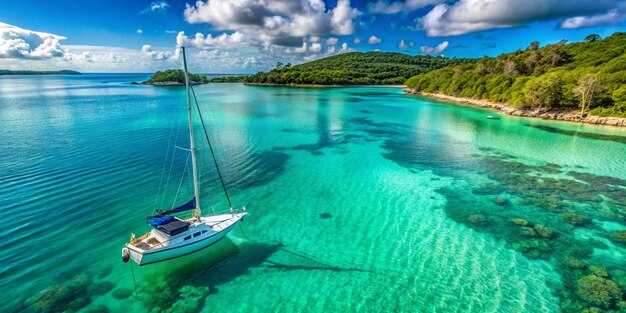 Top 5 Incredible Sailing Itineraries in the Caribbean">

Recommendation: Start with a loop of five weeks that blends Antigua’s harbors, the Virgin Islands National Park on St. John, and Grenadian shores for an adventure-filled arc with beaches at every leg. You should check the weather window and confirm that the available slots align with your dates. Make reservations well in advance for the most popular moorings, and expect endless view and a steady pace that lets you savor each stop without rush. Every day reveals something new, from coral gardens to sunset silhouettes on the horizon.
1번 도로: Antigua to St. Martin via St. Barthélemy and Anguilla. Typical legs cover 2–3 days each, totaling about 9–11 days. Start in Nelson’s Dockyard, Antigua, sail to Deshaies in Guadeloupe, then to St. Barthélemy for a short harbor visit with a magnificent view. From there, head down the coast to Anguilla’s Shoal Bay East for a day, and finish in Simpson Bay or Grand Case in St. Martin.
2번 도로: The Virgin Islands Circle. This adventure-filled loop through USVI and BVI spans 7–10 days with stops at St. Thomas, St. John (Virgin Islands National Park), Norman Island, Peter Island, and Tortola’s Soper’s Hole. Charter cruises typically anchor at Cane Garden Bay, The Bight, and Trellis Bay, with two days between ports to explore beaches and bays.
3번 도로: The Grenadines Loop. Start in St. Vincent, hop to Bequia, Mustique, Union Island, Mayreau, and the Tobago Cays, then Carriacou and Grenada’s Grand Anse. Typical legs are 2–4 days, with 5–6 stops to sample endless white-sand beaches and crystal lagoons. Hand-picked harbors and reef breaks keep the days varied.
Route 4: The ABC Islands Circuit (Aruba, Bonaire, Curaçao). Start in Aruba’s Palm Beach, then sail to Bonaire for Klein Bonaire and remarkable shorelines, and finish in Curaçao’s Willemstad harbor. Each leg lasts 2–4 days, totaling 7–10 days. This western arc offers reliable trades, calm anchorages, and vibrant stops ashore.
Route 5: Windward Isles Highlights – Martinique, Dominica, Saint Lucia, Saint Vincent, and Grenada. This arc delivers volcanic peaks in Dominica, the Pitons near Saint Lucia, and lush rainforests. Plan 9–12 days with 4–5 stops, and maybe add Guadeloupe for a longer loop. Book early as this route attracts many charter cruises and crews. These routes offer a rich mix of sights, rhythms, and flavors across multiple islands.
Practical routes for sailors: timing, ports, and planning
Plan a bahamas-focused winter itinerary: 7–10 days starting in nassau, looping through Exumas and Eleuthera, and returning to nassau. This setup gives your crews a reliable weather window, outstanding marinas, and short hops between destinations.
- Timing and weather
- Typical winter pattern: NE trades of 15–20 knots, with calmer nights in protected harbors and steady afternoon breezes along the coast. Plan long days only if you want them, otherwise keep hops to 20–40 NM for a comfortable rhythm.
- Weather window: forecast 7–10 days ahead, then tighten the plan to 3–5 days at a time. If a front moves in around christmas or new year, have a backup plan to shelter behind shoals or dock at a marina.
- Buoys and hazards: verify buoy marks before each leg, and compare paper charts with your navigation devices. Hidden reefs near some anchorages make shorter hops safer and more predictable.
- Crews and needs: tailor day lengths to your crew’s needs, balancing long sails with rest, swims, and a walk ashore to stretch legs.
- Ports, marinas, and provisioning
- Nassau and its marinas offer reliable provisioning, fuel, and restaurants along the waterfront. If you want a gentler start, spend the first night in a protected harbor near the marinas and plan extra time for wreck-and-reef snorkeling the next morning.
- Exumas highlights: Georgetown, Staniel Cay (near Thunderball Grotto caves), and black-sand beaches offer outstanding cruising options. Use buoys to keep channels clear and avoid shallow shoals near the harbor approaches.
- Eleuthera options: Rock Sound and the Cape Eleuthera area provide long, beautiful beaches, hidden coves, and easy walks ashore to stock up. There are restaurants and small groceries to support a multi-day stop.
- Guana coast detour: the guana coast offers quieter anchorages, longer sailing days, and a chance to test navigation skills around protected coves and shallow banks–a nice contrast to the busier bahamas routes.
- Ports to consider for Christmas and beyond: Marsh Harbour, Hope Town, and Georgetown provide reliable marina facilities and friendly crews, but book early to avoid crowding as slips fill quickly.
- Navigation, planning, and crew rhythm
- Navigation plan: load updated charts, set safe routing, and mark hidden hazards in advance. Maintain a simple plan that fits your boat’s speed and your crew’s stamina.
- Daily schedule: typically 6–7 hours on the helm with a 1–2 hour cushion for weather checks or a spontaneous swim. For a long day, place a scenic stop at a landmark and take a longer lunch at a waterfront restaurant.
- Destinations and flexibility: identify 4–6 anchorages with good protection, then add 2 backup options in case wind shifts push you north or south. Maybe you’ll swap Eleuthera for the Abacos if fronts push through.
- Walk and provisioning: plan shore visits to stock fresh fish, fruit, and bread; walking routes in town help you find the best bakeries and casual restaurants for a quick bite after a sail.
- Avoid peak crush: during christmas and new year, avoid the busiest ports if you can, or berth early and explore nearby anchorages with quiet coves and easy dinghy access.
- Yourself and your plan: write a concise 2–3 page plan with a map, distances, and anchorages. Keep it flexible so your crew can adjust day by day without pressure.
Bahamas Classic: Nassau to Exuma Cays – optimal wind windows and must-visit stops
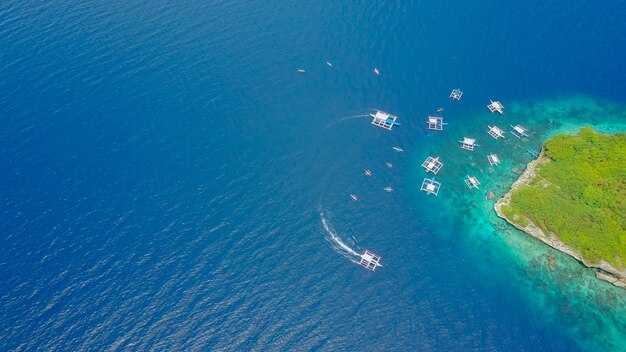
Plan a week-long escape from Nassau to Exuma Cays during December through April, when warm trades hold steady and mornings stay calm enough for efficient hops. Nassau, the capital, offers excellent charters and straightforward reservations, plus sheltered anchorages. With every leg you gain time for swimming and beach time, and you can keep the pace relaxed by targeting 4–5 hours of sailing per day.
Wind windows peak in late morning to afternoon; expect ENE to ESE trades at 16–22 knots on most days, with frontal passages that bring brief rain and higher gusts. If a front approaches, shorten the day and drop anchor in a protected spot; otherwise you’ll enjoy crystal-clear water and smooth handling. The prime period is December through April, while May through November brings more showers and variable winds.
Must-visit stops, in sequence, begin with Rose Island for a gentle first night and a quick reef swim. The second leg to Norman’s Cay lengthens the day but rewards you with a sheltered marina and a quiet beach break. Then press to Warderick Wells Cay, the hub of Exuma Cays Park, where you can moor, hike the trails, and snorkel among vibrant reefs. Cambridge Cay follows with bold coral gardens, and Little Hall’s Pond Cay offers a shallow swim platform and a peaceful beach stop. Staniel Cay provides marina services, while Thunderball Grotto offers a fun snorkeling experience and Compass Cay invites a calm swim with nurse sharks before finishing at Big Major Cay for the iconic pigs and a stunning sunset.
To complete your dream route, reserve ahead at Staniel Cay Marina and other key harbors; cheaper moorings exist if you mix protected anchorages with occasional marina stops. If you want more reef time, add a second leg to explore Little Exuma or Farmer’s Cay, or extend into the Exuma Cays Land and Sea Park for additional protected snorkeling and pristine places to swim. Another option is to loop into a longer week by threading in more anchorages along the southern Exumas.
Practical tips: check the forecast daily, keep a rain plan, and advance reservations to avoid full occupancy. Pack a few playing balls for family downtime on deck, and mind safety while anchoring near coral. Bring a complete provisioning plan, a ready-to-use marina platform for easy access, and you’ll finish with a complete Bahamas dream–a balanced mix of warm waters, beautiful beaches, and unforgettable swimming moments.
Abacos to Eleuthera Circuit – sheltered passages, anchorages, and provisioning tips
Make reservations well in advance for Marsh Harbour, Rock Sound, and Harbour Island to lock in protected anchorages and reliable provisioning. From Marsh Harbour, chart a first leg through sheltered passages toward Guana Cay or Man-O-War Cay, where crystal waters and a quiet lee set up a comfortable night on the island. A catamaran handles these routes with ease, and you can anchor in 8–18 feet of water while the trade wind stays off the deck.
Crossing to Eleuthera demands a weather window, typically 60–85 nm, with 9–12 hours at 6–8 knots. Break the day with an overnight stop in a protected bay such as Fishers Bay on Guana or Lubbers Quarters, then make the final run to Spanish Wells or Rock Sound. On this leg, keep the charts in sync with the GPS and mark shoals and banks; crystal-water makes reef edges easier to spot from a distance. The Abacos chain features numerous cays, each offering a sheltered anchorage and a welcoming spot to top up water and rest.
Provisioning tips: in Marsh Harbour, stock a week’s worth of fresh dairy, fruit, and bakery goods; book ahead for marina services and grocery deliveries; place reservations at the market for island-made bread and produce; stock up canned goods and long-life staples for longer stays. In Eleuthera, visit Rock Sound or Harbour Island shops for reef-fresh fish, spinach, and citrus; carry a spare ice supply and water, plus a small cooler for daily drinks. This route suits family life and yachts alike, and life on a catamaran stays comfortable with shade, easy deck movement, and a well-equipped galley.
Anchor etiquette and safety: always choose sandy bottoms, check depth sounder, and have a spare anchor and 10-foot rode ready for crowded anchorages around the cay areas. Carry a 2 foot spare line for quick mooring checks. If the wind shifts, you can pivot toward the north Eleuthera coves; the infamous Glass Window Bridge offers a quick land escape for a family outing, while a small park and beaches give endless options for daily outings. Save space by planning in areas with a clear reef edge, and note the bourg vibe of northern settlements that welcome visitors with warm hospitality. There is an endless selection of anchorages along the coast.
Leeward Islands Grand Circuit – Antigua, Barbuda, St. Martin, Anguilla, St. Barts
Begin in Antigua, the gateway to a tropical loop along the Leeward chain. Steady trades, clear water, and protected harbors help you set a confident pace and enjoy the first days aboard a sailboat.
Barbuda welcomes with expansive beaches, salt air, and uncrowded anchorages. Plan a stop at Codrington Lagoon and Low Bay, then press onward to the French-Dutch hub of St. Martin.
St. Martin blends Marigot and Philipsburg energy with sheltered approaches in Simpson Bay. Short hops between bays let the crew stretch legs ashore, sample cuisine, and gather provisions for the next leg.
Anguilla showcases 33 beaches and a string of calm harbors. Road Bay anchors a lively village scene, while Shoal Bay East offers long, palm-lined mornings and snorkeling in turquoise water.
St. Barts delivers chic harbors, hillside views, and anchorages at Gustavia and Colombier. Expect refined dining after afternoons on secluded coves and snorkeling around coral reefs.
| Leg | 아일랜드 스톱 | Approx. Sailing Time | Anchorages / Night Stops | Highlights | 실용적인 팁 |
|---|---|---|---|---|---|
| Antigua → Barbuda | Antigua to Codrington Lagoon, Barbuda | 2–4 hours | Codrington Lagoon, Low Bay | Pink sands nearby, uncrowded coves | Check weather before leaving; stock fresh water and fuel |
| Barbuda → St. Martin | St. Martin western approaches | 24–30 hours | Simpson Bay Lagoon, Philipsburg anchorage, Marigot Bay | Vibrant ports, mixed culture, duty-free shopping | Overnight passage planning; ensure crew rest |
| St. Martin → Anguilla | Southern approach to Anguilla | 1.5–2.5 hours | Road Bay, Anguilla; Sandy Ground; Long Bay | Pristine beaches, reef snorkeling | Watch for strong trade winds; set up mooring or anchor properly |
| Anguilla → St. Barts | Gustavia harbor or Colombier Beach | 0.5–1.5 hours | Gustavia harbor, Colombier Beach | Chic dining, protected waters | Reserve mooring in Gustavia during peak season |
| St. Barts → Antigua | Nelson’s Dockyard, English Harbour | 28–40 hours | Nelson’s Dockyard, Falmouth Harbour | Historic charm, sailing culture, reef snorkeling | Plan two legs or stop in Barbuda for rest |
Windward Route: Grenada to St. Lucia via the Grenadines – weather gaps and marina options
Recommendation: Plan a 6–7 day itinerary with four well‑paced hops and advance marina bookings. Start at Port Louis Marina in Grenada, then sail to Tyrell Bay in Carriacou (roughly 25–30 nm), on to Port Elizabeth in Bequia (about 12–18 nm), then to Clifton Harbour on Union Island (8–12 nm), and finish in St. Lucia with a night at Rodney Bay Marina 또는 Marigot Bay (60–75 nm for the final leg, depending on routing). For 40-ft bareboat monohulls, secure slips ahead of time and keep a flexible plan to shorten or stretch the last hop if weather gaps appear.
Weather gaps arise when the traditional NE trades ease and the ITCZ shifts, creating windows of lighter wind and occasional squalls. Target the early morning departures to avoid a buildup of sea state, and plan longer hops during calmer gaps in late spring or early autumn. Always check a trusted forecast 48–72 hours out, then adjust your schedule to keep seas comfortable and the crew fresh. If a gap shortens a leg, use a sheltered stop like Canouan or Palm Island to maintain safety and comfort while the system passes.
Grenada options: Grenada offers solid provisioning and shelter in Port Louis Marina, with secure slips, fuel, and reliable wifi. If you prefer anchoring, Grand Anse provides a roomy, well-protected anchor area though services are more limited. For a longer week ahead, consider a quick hop to Carriacou to reset the rhythm and keep the crew engaged.
Grenadines legs to plan: From Grenada, the first cleaner hop to Carriacou (Tyrell Bay) is a natural warm‑up. On to Bequia (Port Elizabeth) offers a vibrant little town vibe and decent provisioning, then you cruise to Union Island and the Tobago Cays area, where 카약 along the mangroves and snorkeling underwater life is excellent. The Tobago Cays themselves are famous for calm water and protected moorings, though there is limited formal marina infrastructure, so plan for buoy moorings and tender access. If a longer day appeals, you can push to Mayreau or Canouan to break up the run and enjoy a tropical atmosphere around every bend.
St. Lucia options: The north coast offers several strong choices: Rodney Bay Marina in Gros Islet provides ample slips, fuel, chandlery, and easy provisioning, while Marigot Bay offers a sheltered, scenic setting with excellent resort services. For morning departures and a quick wind shift, Castries’ Pointe Seraphine area also accommodates visiting yachts, with easy access to maintenance and stores. If you’re aiming for a warm 그리고 beautiful finish, plan the final leg to St. Lucia with a slack water window and a morning start to maximize the quiet water before the afternoon breeze rises.
Planning notes: If you’re registering or flagging a vessel in this region, confirm local paperwork well in advance and carry all crew certifications. For virgin yacht clubs or charter operations seeking a French or Caribbean vibe, check island-specific requirements and weather windows a few weeks ahead. The route suits summer 그리고 warm water conditions for bareboat crews and monohulls, with many operators targeting two to four guests per boat. For a longer week, consider adding Norman Island as a postscript to your Caribbean loop, if you have the time to extend beyond the Grenadines.
Southern Caribbean Sprint: Trinidad to Tobago – wildlife, culture, and top dive sites
Start with a bareboat charter from a reputable marina in Trinidad, secure reliable service, and set your route to honor wildlife, culture, and crystal-clear, green waters.
From Port of Spain you can ride consistently favorable trade winds along the coast, pausing at key wildlife hubs: visiting Caroni Swamp yields iconic ibis and mangrove ecosystems, while Grande Riviere Beach in Trinidad hosts leatherback nests during peak season. In Tobago, keep an eye on the archipelago’s hidden coves where turtles patrol shallow reefs and the coral gardens shimmer just beneath the surface.
Culture comes alive in small-town markets, where artisans sell hand-made crafts and the scent of roasting plantains fills the air. A stop at a garden-side café lets you sample local drinking punches, while talking with vendors gives you a feel for island rhythms, calypso rhythms, and the culinary bite of roti, cassava, and fresh seafood. Port-of-Spain’s historic districts and Scarborough’s seaside lanes offer prime opportunities to visit museums, galleries, and waterfront eateries with views over crystal water.
Top underwater sites cluster around Tobago: Buccoo Reef Marine Park protects vast coral formations and green to crystal-blue edges, while Nylon Pool sits in shallow, clear water ideal for snorkelers and family groups. Little Tobago Island provides secluded snorkeling along ledges rich with reef life, and offshore walls offer sightings of parrotfish, moray eels, and the occasional Caribbean reef shark. Expect vibrant coral, gentle current, and easy access for beginners–the archipelago’s protected zones keep conditions more forgiving than open seas.
Plan can extend beyond Tobago: consider a future hop toward Martinique or Norman Island for different scenery and culture, or even the Exumas to compare coral shapes and water color. In this southern corridor, you’ll find long, steady days on deck, ample time for kayak explorations through mangroves, and opportunities to sample local fruit punches, relax in marina towns, and treat yourself to evenings on deck under a crystal-star sky. When you visit, respect sea life, avoid crowded anchorages, and savor the hidden coves as you average more shaded time and less bustle than farther north.