


 한국어
한국어  English (UK)
  Русский
  العربية
  日本語
日本語  Magyar
  Türkçe
  Español
  Čeština
  Svenska
  Português
  Ελληνικά
  Suomi
Suomi  Nederlands
  Română
  Italiano
  Français
  Polski
  Українська
  Deutsch
  简体中文
简体中文  Slovenčina
  Top 10 Tips for Sailing Across the Atlantic as Crew – Safety, Planning, and Seamanship">

출발 전 안전 브리핑과 모든 장비에 대한 정비 점검을 실시하고, 정확한 당직 근무 일정을 설정하여 각 승무원의 선상 역할을 확인하여 각자의 책임을 이해하도록 하십시오. 라인, 장비 점검, 엔진 상태를 포함하여 단기 계획을 소리 내어 읽으십시오. 모든 것을 당연하게 여기지 않도록 말입니다. 이러한 구체적인 시작은 조건이 변할 때 모든 사람이 보조를 맞추고 행동할 준비를 갖추도록 합니다.
신뢰할 수 있는 예보 데이터와 모델 트랙을 사용하여 날씨가 좋은 시기를 중심으로 항해 계획을 세우십시오. 비상 상황에 대비한 항로를 계획하고, 잠재적인 대피 지점을 표시하고, 신속하게 조정할 수 있는 돛과 장비를 선택하십시오. reason 미리 계획하는 것은 배를 높게 유지하여 준비 태세를 갖추는 것이다., especially 대서양 중부 해상에 먼 발치에서부터 바람의 선들이 형성될 때.
안전 장비 점검: 구명정 정비 및 결박 완료, 고무 호스와 연료 라인이 손상되지 않았는지, 구명조끼 맞춤형의 반사 테이프와 작동 가능한 VHF를 갖추십시오. 선상 전기 시스템을 점검하고, 빌지 펌프를 준비하고, 비상 탈출구를 배치하고 라벨을 부착하십시오. 여분의 닻줄과 여분의 줄을 갑판에 두어 줄이 끊어질 경우 지연을 방지하십시오.
해상 훈련: 양쪽 택에서 인명 구조 훈련 실시, 예인 및 투척 라인 절차 연습, 안전한 엔진 정지 표류 리허설. 동료 시스템으로 MOB 훈련을 실시하고 모든 승무원이 안전 장비 보관 위치와 필요한 경우 작동 방법을 다시 숙지하도록 합니다. 침착한 목소리를 유지하고 시간과 거리를 추적하며 결과를 기록하여 준비 태세를 개선합니다.
팀 역할: 날씨 담당, 항해사, 당직 사관, 의료 또는 응급 처치 담당 리더를 지정합니다. 로그를 유지하고 상호 작용적이고 건설적인 방식으로 결과를 공유하며, questions 불확실성을 명확히 하기 위해. 구축하십시오. shared 승무원들이 자유롭게 의견을 말하고, 팁을 공유하며, 비난 없이 실수로부터 배울 수 있는 커뮤니티에 탑승하세요.
위험 관리 및 의사 결정: 해상 상태, 풍향 변화, 그리고 시야를 주시하십시오. 예보의 신뢰도가 높을 때는 보수적인 안전 여유를 두고 늦은 밤의 돛줄 감기를 피하십시오. 승무원에게 쉬운 용어로 정보를 제공하고, 계획된 시간에 날씨 업데이트를 확인하십시오. 이는 예상치 못한 사고를 줄이고 선박과 승무원을 보호합니다.
결론: 절제된 루틴, 측정 가능한 점검, 그리고 지속적인 학습이 대서양 횡단을 실용적이고 안전하게 유지해 줍니다. 이 결론 우회는 삼가고 승무원 안전에 계속 집중해야 함을 강조합니다. 시간 절약, 위험 감소, 승무원의 건강과 역량 유지를 위해 점검 목록, 폐쇄 루프 브리핑, 공유 학습 문화를 활용하십시오. 준비된 자세 차이를 만들고; 각 구간 후, 브리핑을 갖고, 노트를 공유하십시오. 커뮤니티, 다음 단계를 자신 있게 계획하십시오.
대서양 횡단: 선원 가이드
이번 여행에는 전담 항해사와 명확한 권한을 가진 두 명의 선장을 선임하여 지휘하도록 하십시오. 이렇게 하면 갑판을 지속적으로 커버하고 날씨 변화 시 신속하게 결정을 내릴 수 있습니다. 6~8명 승무원의 경우, 선장 2명에 항해사 1명이 있으면 조타 장치를 깔끔하게 유지하고 팀을 정렬할 수 있습니다. 항해사는 반나절마다 교대하여 새로운 사람이 계속 신선함을 유지하도록 합니다.
경로 계획: 출발지 테네리페 바람 방향이 맞으면 카나리아 제도 방식으로 순풍 항해를 설정하십시오. 일기 예보를 하루에 두 번 확인하고, 기상 변화와 해상 상태를 고려하여 여유를 두십시오. 유사한 해역에서의 경험을 입증하기 위해 yachtingworld의 자료를 참고하십시오. 안정적인 순풍 항해는 돛 조작과 피로를 줄여 다음 웨이포인트까지 도달하는 데 도움이 됩니다.
전략적 역량: 운영 generator 냉장고, 제수기, 전자 장치를 작동하여 배터리 잔량이 안전 수준 이하로 떨어지는 경우를 대비합니다. 다음을 구축하십시오. battery 여유 전력을 갖춘 뱅크(장거리 운행을 위해 12V에서 최소 600–800Ah)를 준비하고 가능하다면 태양광 어레이로 보충하십시오. 유지하십시오. shore 항구에서만 비상 전력으로 사용하고, 항상 안전 여유를 주시하여 엔진이 한계를 초과하지 않도록 하십시오.
엔진 및 정비: 운항 전 점검 일정, 오일, 냉각수, 벨트 및 호스 점검. 엔진 준비 상태 확인, 여분의 연료 필터 확보, 항구 또는 해상에서 수리 계획 수립. 여분의 임펠러 및 벨트 휴대, 휴대용 공구 세트 및 퓨즈 세트 접근 가능한 곳에 보관.
안전 및 훈련: 인명사고(MOB) 훈련 실시, 구명조끼, 안전벨트 및 안전줄 점검. EPIRB, VHF 및 AIS가 포함된 안전 키트 유지, 명확한 조난 계획 및 모든 선원을 위한 간단한 비상 상황 대처 단계 유지. 날씨 및 선박 상태를 매 교대 근무 시 기록하여 문제가 악화되기 전에 예측하고 육상과 협력합니다.
승무원 물류: 다음을 할당합니다. 케이터링 업체 식사 관리를 하거나 조리 의무를 교대로 수행하십시오. 시간을 절약하기 위해 메뉴를 간단하게 유지하십시오. 식량 조달, 영양 및 수분 공급을 관리할 사람을 지정하십시오. 식사가 균형을 이루고 교대 근무 후 소화가 잘 되도록 하십시오. 바다가 불안정하면 간식과 따뜻한 음료를 준비하여 사기를 유지하고 에너지를 보충하십시오. 특히 선미나 바람이 부는 난간 근처에 있을 때 더욱 그렇습니다.
낚시 및 해양 생물: 만새기 및 기타 어획물을 위한 계획을 세우고, 전용 낚싯줄을 준비하되 사용하지 않을 때는 장비를 고정하여 돛에 엉키지 않도록 하십시오. 균형과 트림을 유지하기 위해 적절한 취급법을 익히고 물고기를 갑판에 빠르고 안전하게 올려놓으십시오. 간단하고 지속 가능한 접근 방식은 여행을 더 쉽게 만들고 낭비를 줄입니다.
통신 및 육상 지원: 육상과의 연결을 위한 두 가지 빠른 링크를 유지하십시오. 단거리에는 VHF 무전기 대기, 장거리에는 위성 메시지를 사용하십시오. 매일 로그를 공유하십시오. shore 팀과 날씨 변화에 대한 백업 계획을 세워 잠재적인 문제에 대비하고 다음 구간에 대한 접근 방식을 개선합니다.
출발 전 안전 장비 점검 목록 및 서류
출항 전날 일반 안전 장비 점검 및 서류 검토를 실시하고, 항상 갑판에 라벨이 부착된 키트를 보관하십시오. 이러한 즐겁고 집중적인 준비는 모험가를 침착하고 편안하게 만들어 주며 위험을 줄여줍니다.
점검 사항: 구명 조끼, 안전 벨트, 안전줄, 테더, 장비 완료된 갑판, EPIRB, 조명탄, 조난 신호 장비, VHF 무전기, GPS, 여분의 배터리, 손전등, 빌지 펌프 및 여분의 임펠러. 빌지 펌프와 VHF 배터리 수명 테스트; 여분 부품 및 공구 확인; 장거리 항해를 위해 냉동 팩과 상온 보관 가능 식품을 차갑게 유지. 스피네이커 시트 및 할야드 점검, 마모되거나 사용한 부품 교체; 전체 요트 리그가 안전하고 준비되었는지 확인.
문서에는 항해 계획, 비상 계획, 일기 예보, 항로, 비상 연락처, 승무원 명단, 의료 정보 및 보험이 포함되어야 합니다. 웹사이트나 관리형 클라우드에 사본을 보관하고 방수 폴더에 인쇄본을 담아 요트 내에 보관하십시오. 모든 승무원이 계획을 이해하고 어두운 곳에서도 읽을 수 있는지 확인하십시오. 항해 중에 참고할 수 있도록 안전한 장소에 메모를 보관하십시오. 이 접근 방식은 요트의 세계에 적합하며 Yachtingworld 체크리스트에서 볼 수 있는 내용을 반영합니다.
역할 분담: 선장, 바우, 헬름, 감시대; 신속하게 MOB 훈련 실시; 무전 교신 및 기상 알람 연습; 인명 구조 절차 상세히 검토.
설정 후 장비 소리, 냉동고 온도, 총 성능 등 간단한 로그를 유지하고 다음 구간을 위해 조정한 사항을 기록하십시오. 승무원이 웹사이트의 간결한 단일 점검 목록을 활용하면 개선될 수 있을까요? 예, 그렇지만 자신만의 버전을 사용하십시오. 신뢰할 수 있는 출처와 비교하여 차이점을 이해한 다음 조정하십시오. 이 접근 방식은 자신감을 가지고 항해하는 데 도움이 됩니다.
경로 계획: 날씨, 해류, 위험 요소 평가
출발 7~10일 전에 날씨가 좋은 시기를 확정하고 대서양 횡단 항로를 무역풍을 따라 정하는 것이 현명한 선택이며, 선박이 꾸준히 전진하도록 유지합니다.
솔렌트에서 출발하여 남서쪽으로 아조레스 고기압 방향으로 향한 다음 카리브해 또는 미국 동부 해안 방향으로 호를 그리는 항로를 계획하십시오. 이 일반적인 패턴은 안정적인 바람을 선호하고 ITCZ의 가장 강렬한 대류 활동을 피합니다. 이러한 접근 방식은 선박 전체의 리듬을 유지하고 승무원에게 준비 시간을 제공합니다.
예정 항로 주변에 대한 여러 정보원의 예보를 조사하십시오. 예보 작성자의 메모와 모델 실행을 교차 확인하여 일관성을 확인한 다음 전체 횡단에 대한 일반적인 계획을 수립하십시오. 이 연습은 각 구간의 이유를 명확히 하고 승무원이 함께 집중하는 데 도움이 됩니다.
미래를 대비하여 앞을 내다보는 일련의 선택지를 준비하십시오. 책과 차트에서 데이터를 수집하되, 발생할 수 있는 상황에서 취할 수 있는 명확한 조치로 요약하십시오. 교대 근무 중 중요한 요소, 즉 항로, 다음 경유지, 예상되는 바람 변화, 알려진 위험 요소를 눈에 잘 띄게 유지하십시오. 예상치 못한 상황 변화에 대비하여 여벌 바지와 기타 필수품을 준비하십시오.
날씨와 해류를 함께 고려하면 안전과 속도를 모두 잡을 수 있습니다. 아열대 지방의 무역풍은 가능한 한 ITCZ 북쪽에 머물면서 걸프 해류의 유리한 구간을 이용하여 속도를 높이는 대서양 횡단 항로에 유리합니다. 꾸준한 조건에서는 15~25노트의 바람이 불고, 맞바람을 뚫고 나아가는 것이 아니라 파도를 타면 해상 상태를 관리할 수 있습니다. 위도 25~40°N 부근에서는 해류가 속도를 수십 분의 1노트 단위로 더하거나 뺄 수 있으며, 추적하지 않으면 때때로 수백 마일이나 항로를 벗어나게 할 수도 있습니다. 하중 분포와 트림을 계획하여 선박이 하중을 받은 상태에서도 반응성을 유지하도록 하고, 적절한 옷을 겹쳐 입어 근무 루틴을 수행하는 동안 승무원의 편안함을 보장하십시오.
Hazards demand proactive measures. Although the Atlantic can be friendly in late spring, it remains capable of squalls, fronts, and sudden wind shifts. Hurricanes and tropical storms threaten from June through November, so you should further reduce risk by avoiding known cyclone tracks and following storm advisories. Fog banks and night-time squalls require vigilant lookout and proper procedures. The ITCZ can bring heavy rain and lightning–weigh the cost of crossing too close to the equator and consider a more northerly or southerly leg if needed. Overall, aim for a window with stable winds and only light frontal activity; this minimizes event-driven handling challenges.
Equipment and procedures matter. Ensure a preventer is installed and tested, the mainsail and headsails are rigged for easy reefing, and loads are distributed low to reduce heave. Keep the load balanced across the hull, and secure all gear, especially in heavy seas. Conduct watch briefings with the crew together, using voyage books to track decisions and actions. Maintain spare clothing, including pants, so conditions do not erode crew comfort and performance.
| Segment | Weather Window / Winds | 위험 요소 | Mitigation & Actions |
|---|---|---|---|
| Solent to Azores | Best in late spring or early autumn; 8–12 days at 6–8 kt typical; avoid strong low-pressure passages | Fronts, squalls, gusty winds | Monitor high- and mid-level charts; route south of lingering fronts; ensure preventer installed and tested |
| Azores to 25–30°N crossing | Tradewind region; aim for consistent 15–25 kt winds; watch ITCZ migration | ITCZ bands, convective squalls | Stay in stable wind sector; adjust sails; review forecast with crew; update voyage books |
| 25–30°N to Caribbean/US East | 20–25 kt winds typical; monitor tropical cyclone season | Tropical cyclones, heavy seas near fronts | Route around cyclone tracks; daily weather briefings; keep emergency procedures ready |
Onboard Safety Protocols: MOB Drills, Fire Response, and Liferaft Readiness
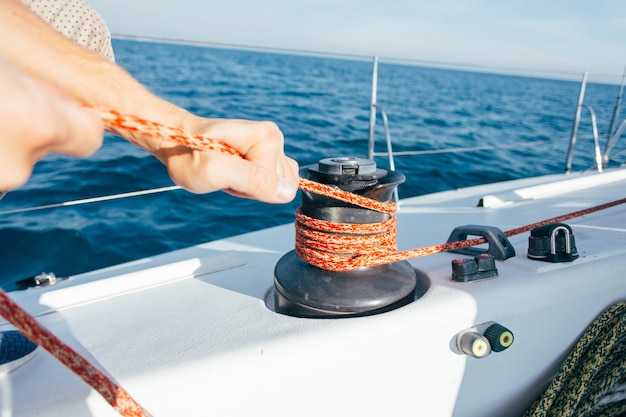
Institute monthly MOB drills with clearly delegated roles and a published drill card that every crew member can receive and review before departure. These drills engage all groups aboard sailboats, including strangers who join for legs of the passage, ensuring the response remains smooth in a real situation. This part of safety relies on concise communication, quick decision making, and simple, repeatable steps that can be practiced in calm seas and on longer offshore crossings from grenada to the next waypoint.
-
MOB Drills: Define roles and delegate responsibilities. Assign a MOB spotter, a helm, a retrieval lead, and a recorder. Rotate these duties every watch to build familiarity. The team should know where the throw bag, life ring, and PFDs are stored and how to use the line, without needing to search. This is seen in published checklists, so you can finish drills quickly.
-
Gear and practical checks: Keep spares for critical safety gear in a dry bag within easy reach near the aft. Verify that the throw bag is intact, the rope is not frayed, the flares are in date, and the PLB/radio is charged. Ensure the fridge and other gear do not block access to lifebuoys or lines. Packing spares for electrical ties and fuses helps you respond if a problem arises.
-
MOB drill execution: On the command, shout “MOB,” drop the throw bag, and switch to the retrieval lead. Steer to windward, reduce speed to 2–3 knots, and keep the casualty on the weather side. Use a harness and a long line to secure them, then recover aboard and log the time and position. Simply repeat the sequence until the crew can perform it with confidence; next drills should mix daylight and dark conditions.
-
Debrief and record: Conduct a quick debrief, note what worked and what didnt, and publish the improvements in the ongoing safety log. The group should receive a brief summary and any changes to the drill card; this would reduce cost and risk for the boat. The log should include the situation, what was learned, and a plan for follow-up practice.
-
Fire Response: Activate an all-hands alarm and muster at the closest safe point. Identify whether the fire is electrical or cooking-related; isolate the affected area if safe, and shut off power at the main panel to prevent flashover. Use the correct extinguisher: ABC for electrical or mixed fires, and a class-B/C approach for galley fires. Never use water on electrical fires. Maintain ventilation after the blaze is controlled and verify there is no reflash.
-
Team roles and technique: Designate a team lead to coordinate suppression, a second person to retrieve a fire blanket or extinguisher, and a third to monitor air quality and communications. Practice the PASS method (Pull, Aim, Squeeze, Sweep) for extinguisher use and keep a spare extinguisher within reach. If the fire cannot be contained, initiate evasive actions and prepare for liferaft or abandon-ship procedures; communicate with the rest of the crew and, if needed, contact coastal authorities.
-
Post-fire steps: After control, ventilate the space, inspect for hot spots, and log the incident details in the published safety file. Review what caused the situation and update the drill card to address gaps. This process minimizes the impact on the next watch and reduces the chance of a repeat problem during longer passages.
-
Liferaft Readiness: Schedule monthly checks of the liferaft, hydrostatic release unit, inflation cylinder, and painter. Confirm the expiry date on the canister and ensure seals and O-rings are intact. Store spare inflation accessories in a dry bag attached to the raft or in a nearby locker that is easy to reach, and keep a small kit with canned fruit, water rations, and basic signaling gear. Ensure the raft is deployed in a controlled environment at least once per season to verify function without risking the crew. Pack spares for the inflation system and confirm that the life raft is not blocked by the fridge or other equipment during a real deployment.
-
Location and access: Mount the liferaft in a location that allows rapid deployment from both sides of the boat. Ensure the painter is long enough to reach a stable deployment point and that the painter and painter knot are in good condition. Check the sea anchor, whistle, signaling mirror, and waterproof bag with essential survival items. These preparations should be reviewed on every published safety chart and logged as part of the ongoing readiness program.
-
Training and cross-checks: During a longer passage from grenada to the next island, rehearse a full liferaft deployment at least once every two weeks in calm seas. This training ensures the team would respond quickly under stress and reduces the risk of panic. After each exercise, finish with a debrief, update the checklist, and distribute the findings so that the boat receives consistent improvements over time.
Finish with a concise team debrief after each drill, record the outcomes in the published safety log, and assign actions to improve readiness. Regular testing of MOB, fire response, and liferaft procedures lowers risk, keeps costs manageable, and strengthens the crew’s ability to handle any situation that would arise at sea.
Watch System Design: Shifts, Sleep Strategy, and Team Communication
Implement a two-watch, two-person-per-watch system: two sailors on deck for four hours, two below, then rotate every 24 hours. This rhythm keeps vigilance high during challenging hours and gives each sailor a solid block of rest. Put the schedule on a single page in the mess and stick to it; if weather or staffing demand it, you would temporarily move to three-on-deck for peak watches, but revert to the two-per-watch baseline as soon as feasible. However, keep handoffs crisp and a simple log so the team knows whats next.
Sleep strategy centers on conservatively totaling about 6 hours of sleep per 24 hours, with a main block of 4–5 hours during the off-watch window and a 1–2 hour nap after the second watch. Use blackout curtains, earplugs, and a white-noise device to minimize disruption. Maintain cabin temperature around 18–20C to support deeper sleep; limit caffeine after 16:00. Looking ahead, adjust the plan if fatigue rises or the watch schedule changes. Mostly stick to the routine, and allow a short nap break in rough seas instead of forcing wakefulness.
Team communication relies on a lightweight, high-visibility protocol: start-of-watch callouts, mid-watch status, and end-of-watch handoffs. Whats next, whats done, and whats anticipated go into a shared log. Use a dedicated watch channel on the radio or a labeled digital channel if available, and keep phrases concise. Confirm critical items with a quick repeat-back to ensure nothing slips during noise or turbulence.
Design and equipment considerations emphasize refrigeration reliability and footprint fit. The refrigeration system should be designed to handle a Atlantic crossing; upgrading refrigeration would become critical. The footprint must fit the galley and cold-store area, so choose two compact freezers or a single multi-compartment unit sized for 2–3 days of meals. Install a digital thermostat, a spare compressor, and robust insulation. Solent tests followed by marine trials help verify performance in real conditions; plan maintenance as part of the voyage rather than after issues arise.
Implementation relies on clear records and proactive checks. Create a daily ticket for any gear fault and log sleep quality, watch performance, and fatigue indicators. The crew drew up this plan together, and it helped reduce risk during heavy weather. Track what’s done and what’s left, then return to the footprint of gear and the watch design after the crossing to refine for future legs. The result would be a scalable approach that improves uptime, reduces errors, and boosts crew confidence on the water.
Communications, Distress Procedures, and Redundant Communication Modes
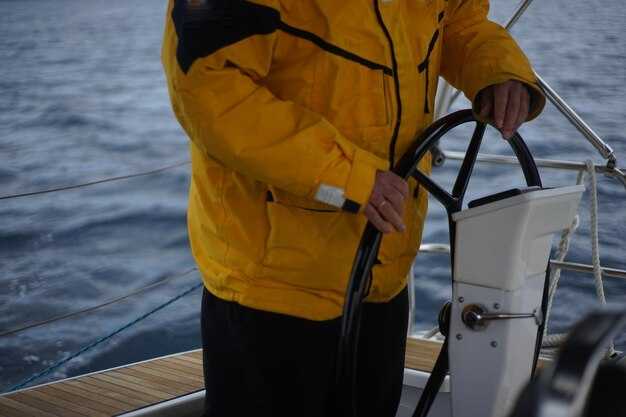
Equip three redundant communication modes and test them under load before departure. provisioning includes spare batteries, solar chargers, and waterproof cases. Use VHF with DSC, a satellite messenger, and an MF/HF radio if available; these cover different ranges. Mostly satellite-based gear works offshore where VHF can’t reach. nomads at sea showed that relying on a single channel leaves a crew stranded; with three modes, the team stays connected, whole and confident.
Distress procedures: In distress, call mayday three times, then switch to other modes and provide ship name, position, course, speed, and nature of distress. Mayday, mayday, mayday. Then give GPS coordinates and MMSI if DSC; wait for acknowledgement and then proceed. Once you receive acknowledgement, follow the shore station’s instructions; the team should know the sequence, stay calm, and act with discipline.
Redundant modes in practice: Assign a calling plan across VHF, satellite, and MF/HF. If one path drops, switch instantly to another; wait 5–10 seconds for a response, then repeat with a different mode. The approach used by nomads at sea showed that a fixed sequence reduces confusion; same wording on all channels helps, and you respect that the message may be received differently on each path. Perhaps rehearse under wind and swell and turn to optimize antenna placement, keeping the antenna downwind of spray. A standard script, called a distress script, keeps phrases uniform. Always ensure you will receive a clear acknowledgement.
Maintenance and provisioning: Inspect antennas, connectors, and power supplies; repair any damaged items and replace worn parts. Repaired items go back to service. Keep spare parts and a compact repair kit; ensure EPIRB is charged and accessible. Refrigeration still matters for medicines and perishable items on a long trip; keep a blanket nearby to cover radios in spray. Store rope, clamps, and spare fuses within easy reach. After inspections, we wrote a short checklist to guide future tests.
Team roles, drills, and morale: Assign a comms lead, navigator, and log keeper; run regular drills including a mock distress and a switch between modes. The team should respect each other, and the mind stays calm under pressure. A confident crew is happy to act as one, and the same routine applies on every trip. Further drills reinforce muscle memory.
Field tips: During watches, keep a blanket handy to dry gear and shelter radios. Cold nights increase strain on gear and batteries; plan for longer watches. Coil rope neatly and keep it away from moving winches. Turn antennas to optimize reception and stay downwind of spray for better signal integrity. When you receive a call, respond promptly; do not wait for perfect conditions. Simply log the event and assign a follow-up action.
Maintenance, Stowage, and Personal Comfort on a Long Crossing
Start with a concrete plan: build a pre-departure maintenance checklist and a week-by-week schedule. The owner should lead, delegating tasks to crew, and record results in a shared log. In the weeks before passage, verify critical systems, replace worn parts, and confirm spare gear fits the stowage plan. This preparation saves time and reduces risk when weather turns challenging.
Core systems checks include engine oil, coolant, belts, impeller, fuel filters, seawater strainers, and through-hulls. Test the bilge pump for 15 seconds and verify automatic mode. Inspect batteries, charging, and fuses, and confirm navigation lights function. Create a compact mitigation kit with spare impeller, belts, hoses, clamps, fuses, and rubber seals for quick fixes.
Stowage discipline 갑판을 안전하게 유지하고 발자국을 깨끗하게 유지합니다. 모든 장비를 고정된 사물함에 매핑하고 방수 가방에 라벨을 붙이세요. 무거운 장비는 트림을 제한하기 위해 낮고 선미에 보관하십시오. 진공 밀봉 가방과 방수 용기를 사용하여 장비를 닿을 수 있지만 안전하게 보관하십시오. 고무 또는 캠-버클 스트랩을 사용하여 묶고, 해치 또는 안전 장비를 막지 않도록 하세요. 정기적으로 스트랩과 모서리에 마모가 있는지 확인하십시오.
개인적인 편안함 잠과 환기로 시작합니다. 장거리 횡단하는 모험가를 위해 견고한 시트/담요 시스템을 장착하고, 각 선원에게 전용 침낭 또는 라이너를 제공하세요. 작은 선풍기, 해치 환기구, 방충망을 사용하여 습도를 최소화합니다. 겹쳐 입을 수 있는 통기성 있는 옷을 입고, 치약, 의약품, 여행에 적합한 수건이 담긴 개인 키트를 보관하세요. 수분 섭취도 중요합니다. 접근하기 쉬운 물통에 물을 담아두고, 섭취량을 의식하고 꾸준히 유지하는 수분 공급 계획을 사용하세요. 교대 시 짧은 휴식을 취하여 스트레칭하고 재설정하세요. 활동적인 움직임은 뻣뻣함을 예방합니다.
냉장 및 식품 보관최대 효율은 문 관리(door discipline)에 달려 있습니다. 부패하기 쉬운 음식은 냉장고에 보관하고, 가능하다면 3–4 C로 설정하고, 거친 바다에서는 문을 열지 않도록 하십시오. 항해 기간 동안 식사를 계획하고 호환 가능한 필수 식품(shelf-stable proteins, 치즈, 단단한 채소, 과일)을 비축하십시오. 가능하다면 소형 냉장고나 별도의 12V 냉장고를 사용하고, 안전 장치 배터리 모니터를 사용하십시오. 얼음이나 상변화 팩을 사용하여 냉장 보관 기간을 연장하고, 폐기물을 최소화하기 위해 제품을 교체하십시오. 이렇게 하면 에너지 절약에 도움이 되고, 갤리 내 폐기물 발자국을 줄일 수 있습니다.
에너지 관리 및 기후 적응흐린 날에도 여전히 에너지를 공급받을 수 있으므로, 계측 장비 및 냉장고를 유지 관리하기 위해 태양 에너지 수확 또는 발전기 사용을 활용하십시오. 매일의 에너지 사용량을 기록하고 예보에 맞춰 전력 사용량을 조정하십시오. 패널이 그늘진 경우, 필수적이지 않은 장치에 대한 부하를 줄이십시오. 질문이 발생하면 다음 교대 시 또는 위임된 팀원에게 문의하십시오. 잘 계획된 작업 순서는 날씨 창이 좁아들더라도 여행을 순조롭게 유지합니다. 또한, 예비 냉장고 제어 장치를 보관하고 마모가 분명한 경우 고무 호스를 교체하십시오.
기록 보관 및 의사소통업데이트를 위한 간단한 계획을 유지하며, 가끔 페이스북에 친구들에게 진행 상황과 안전 점검 사항을 공유하는 것이 포함됩니다. 교대 근무자는 예비 계획을 마련하고, 이상 현상을 기록하고 명확하게 보고합니다. 이러한 투명성은 문제를 신속하게 해결하고 승무원들이 모든 항해 구간을 통해 일치된 상태를 유지하는 데 도움이 됩니다.
이러한 방법들을 통해 장거리 항해 동안 준비 상태를 유지하고 위험을 줄이며 편안함을 보존할 수 있습니다. 계획, 유지 보수, 보관, 그리고 적응이라는 각 단계를 통해 항해에 대한 자신감을 갖고 횡단 내내 승무원을 안전하고 경계하게 유지할 수 있습니다.