


 한국어
한국어  English (UK)
  Русский
  العربية
  日本語
日本語  Magyar
  Türkçe
  Español
  Čeština
  Svenska
  Português
  Ελληνικά
  Suomi
Suomi  Nederlands
  Română
  Italiano
  Français
  Polski
  Українська
  Deutsch
  简体中文
简体中文  Slovenčina
 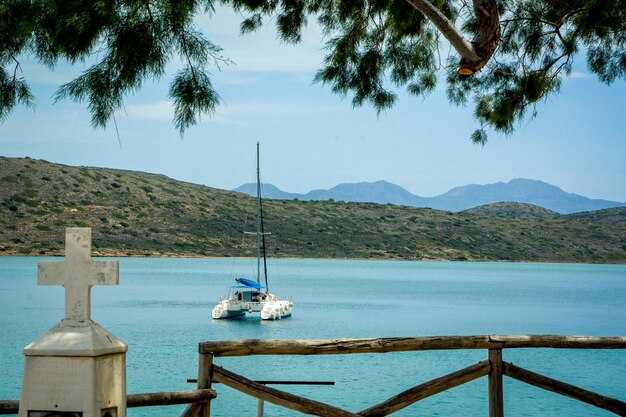 Top 10 Must-Visit Greek Islands by Yacht">

Start your yacht charter in Rhodes and then head north to kalamos and the Cyclades for a balance of ancient sights and modern harbors. This location offers sheltered bays, reliable winds, and short hops between ports, keeping daily legs efficient and the mood upbeat.
From that first anchor, you’ll accumulate wonderful experiences by choosing islands that provide a spectrum of vistas. Each stop presents charming villages, whitewashed alleys, and views of the Aegean coast that fills your days with color and character.
In this custom plan, kalamos offers quiet coves and pine-fringed shores, with easy anchorages that keep the crew relaxed after long sails. Dock near charming ports, savor fresh seafood, and watch the sunset color the horizon.
Rhodes anchors your itinerary with its medieval old town, fortress walls, and sights reachable from well-equipped marinas. From rhodes you can step to Crete, Milos, Santorini, and Corfu, each offering distinct coastlines and views that resonate with sailors.
When choosing the next leg, prioritize provisioning options, sheltered harbors, and reliable weather windows, because predictable winds save time. A balanced plan alternates longer sails with short hops, taking advantage of Crete’s vast marinas, Milos’s dramatic shores, and Corfu’s green coast. This northern location fills days with opportunities for snorkeling, cuisine, and memorable sunsets.
In short, a well-structured yacht itinerary across these islands offers wonderful contrasts, views that linger, and multiple chances to tailor experiences to your crew’s rhythm. By starting in Rhodes and including kalamos as a reliable anchor, you’ll enjoy a seamless arc of sights and tastes that keep every charter fresh and exciting.
Greek Islands by Yacht: 2025 Marina Costs and Top Destinations
Begin with Paros for the best 2025 marina value and sheltered mooring, then map a gentle loop to enjoy the dusk light and idyllic coves.
Prices vary with season, boat size, and harbor type. For a 12–15 m yacht, expect roughly 70–120 EUR per night in April–June and September–October at municipal or smaller ports; peak-season rates in Mykonos, Santorini, and Rhodes commonly range 250–500 EUR per night. Always confirm rates a few weeks ahead, as dock-side figures shift with demand. Incredibly convenient fuel docks and provisioning options exist in several larger ports, helping you plan without delays.
- Paros – mooring typically 70–120 EUR per night; sheltered harbors near Naousa and Parikia provide easy access to charming cafes and markets. Ideal for a calm first night with straightforward provisioning. If you doubt where to begin, Paros is a safe bet.
- Mykonos – peak-season 200–450 EUR per night; Ornos and Tourlos offer reliable shelter, with a buzzing evening atmosphere and spectacular sunsets. Reserve early, especially for July–August.
- Santorini – 250–500 EUR per night during high season; shelter is solid in Vlychada and near Athinios; plan a dusk visit to the caldera towns for iconic views. Consider using a protected cove if you wish to reduce costs.
- Naxos – 90–140 EUR in shoulder months; 150–230 EUR in main marina zones; generally stable rates, good shelter, and easy provisioning. A chance to combine nature breaks with delectable tavernas.
- Milos – 150–260 EUR depending on berth; spectacular coastline, yachts find good shelter in Pollonia or Adamas; check availability in busy times around July.
- Crete (Heraklion or Chania) – 70–170 EUR; municipal marinas offer solid services, cafes, and versatile anchorages; a superb base for island exploration including ancient sites and sheltered bays.
- Rhodes – 90–180 EUR; a mix of protected docks and larger marinas; winds ease in shoulder seasons and ample tavernas invite relaxed evenings.
- Syros, Sifnos, and Folegandros – 80–150 EUR; relatively quieter spots with sheltered moorings, idyllic anchorages, and welcoming villages for nesting experiences and sunset approaches.
- Delos day-trip potential – a short tender ride from Mykonos; temple ruins and archaeological sites provide a cultural anchor before returning to a marina for the night.
This mix of costs and destinations supports a flexible, incredibly rewarding yacht plan for 2025, balancing affordable mooring with spectacular coastal scenery and authentic Greek charm. Look for times when shoulder seasons keep prices friendlier, then linger in coves that feel sheltered yet incredibly picturesque, especially at dusk and in the evenings.
Island-by-Island Mooring Fees in 2025: What to Expect on Each Island
Book municipal berthing wherever possible and lock in a 2-3 month advance for flotillas in peak season; this keeps charges predictable.
Crete: crete’s main ports, including Heraklion and Chania, offer municipal docks with basic pricing around 40-70 EUR per night for mid-size yachts, rising to 90-120 EUR in July–August. Power adds about 5-15 EUR daily, and services at docks remain modest but reliable. Shoulder-season stays run 30-50 EUR per night, and you gain access to jump-off points for samaria and other destinations again, with cleaner water and easier provisioning. For charters, expect a 10-20% surcharge during peak windows, especially if you join a flotilla.
Santorini: caldera-side berthing balances scenery with cost. Municipal docks along the south coast typically run 100-140 EUR per night in peak season, while private marinas near the volcano-hot spots push 180-260 EUR. Expect higher rates if you aim for the premier side near Oia and Fira, and plan at least 2 nights to enjoy the spectacular views and easy side trips to the volcanic formations. Early bookings can save 15-25% compared to the height of summer.
Mykonos: the island commands premium pricing. Municipal berths near the main port average 110-170 EUR per night for mid-size yachts, with private marinas ranging from 210-350 EUR or more in July–August. Weekends and ferries influence availability, so lock in a slot well in advance. If you sail with a charter or flotilla, expect a small surcharge but also tighter access to convenient docks for late arrivals and side trips to near-by destinations.
Paros: Parikia and Naoussa offer more approachable rates. Municipal berthing hovers around 60-100 EUR per night, while private facilities run 120-180 EUR. Shoulder-season pricing can drop by 20-30%, making early June or late September attractive for couples or small flotillas. Paros still provides reliable access to nearby islands and a straightforward point from which to explore the Cyclades.
Naxos: relatively friendly for yachts, with Naxos Town (Chora) offering municipal docks around 40-70 EUR per night and private berths near 80-120 EUR. You’ll find solid value during May and June, with a modest bump in peak season. The island’s broad beaches and clear waters make it a strong base for charters aiming at the nearby smaller islets and nearby watery reefs for underwater adventures.
Ithaca: Vathi and Frikes maintain predictable rates, typically 50-75 EUR per night at municipal docks and 100-130 EUR at select private berths. Early booking pays off, especially for flotillas seeking steady access to the Ithaca side of the Ionian Sea and easy day trips to neighboring destina tions during calm weather. Expect a modest premium for weekend arrivals in July–August.
Corfu: Gouvia and other municipal quays in Corfu Town offer solid value, generally 60-90 EUR per night for mid-size yachts, with private marinas ranging 120-180 EUR. The Ionian side delivers spectacular cruising options, including nearby underwater features and side excursions to historic points on the coast. In peak weeks, private docks rise by roughly 20-30% above municipal rates, so plan accordingly.
Alonissos: Patitiri and nearby ports present strong value, with municipal berthing around 40-70 EUR per night and private facilities around 90-130 EUR. The National Marine Park adds appeal for wildlife lovers, and the calmer seas during shoulder season translate to lighter berthing competition and better access to the chain of little islands in the reserve, making it a practical anchor point for charters and flotillas alike.
Gyaros: this island offers limited formal marina space; expect basic mooring options or temporary berthing with small fees in the 30-60 EUR range when available. Because facilities are sparse, most yachts anchor or berth near the village area or couple into nearby ports on the opposite side of the channel. Plan for flexibility and book early if you intend to include gyaros in a longer itinerary.
Rhodes: Mandraki and other coastal harbors in Rhodes City present municipal rates around 60-100 EUR per night, with private docks at 120-180 EUR and higher in peak season. Given easy access to ancient sites, beaches, and a broad flight and ferry network, Rhodes remains a practical option for those building a longer yacht itinerary across the Dodecanese.
источник
How Greek Marina Bills Are Structured: Components, Taxes, and Payment Terms
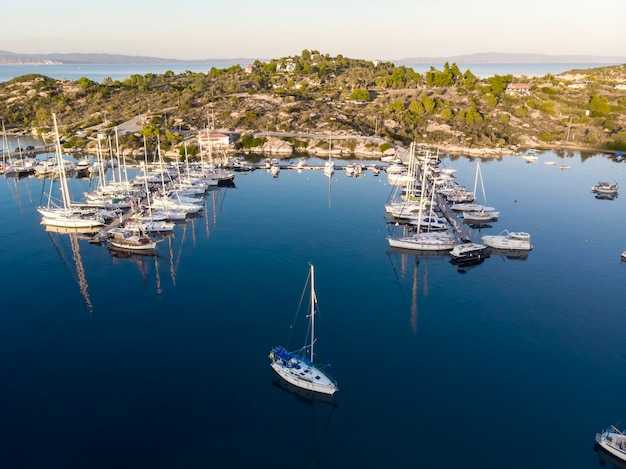
Always request a written, line-item marina bill before docking, and ask for the источник of each charge to avoid surprises. This upfront clarity helps you plan across aegean routes and tourist times, whether you pass ikaria or pace toward the acropolis district in Athens.
A typical marina bill breaks down into berthing fees based on yacht length and stay duration, plus charges for electricity (per kWh), water (per m3), and standard marina services. You’ll see separate lines for security, waste disposal, and general maintenance, with a clear list so you can compare across ports along traditional shores. Keep an eye on whether the rate changes by season, slip type, or power availability, since these affect the total noticeably.
Taxes come as a separate block: VAT on services is added at the standard rate, and some marinas include local municipal or tourist charges during peak visits. The источник of these rules is the Greek Tax Authority, and rates can differ by island and port. Always verify the VAT portion and any extra levies on the receipt before you sign.
Payment terms vary by marina. Some require an upfront deposit or a refundable security hold at check-in; others bill monthly for live-aboards or flotillas. Most marinas accept cards, bank transfers, or cash, with a processing surcharge in busy times. Late payments incur a fine, and due dates are typically tied to departure or the end of the invoiced period. Clarify these details at check-in to prevent pricing surprises.
To manage costs, compare at least three marina options on your chosen island, request a printed, itemized list in advance, and ask about any bundled packages that cover electricity and water. In ikaria or other aegean shores, you may find competitive rates outside the peak season. Packages that include provisioning or laundry can add value for luxury stays, while simple slips keep things straightforward for tourist groups and private charters alike.
Example figures illustrate typical ranges: berthing for a 12 m boat might be €60–€120 per night, electricity €0.40–€0.70 per kWh, and water €2–€5 per m3, with VAT added to service charges. Peak times push totals higher, but some marinas offer discounts for multi-night stays or group flotillas bound for ikaria’s coast. Always confirm exact numbers before signing the receipt.
Secret tip: ask for a multi-night block rate that includes essential utilities, then lock in a fixed daily price for budgeting across routes. A well-organized marina staff can adapt to your itinerary, turning a busy sunshine schedule into a smooth, truly enjoyable stay at sea, with shores, monasteries, and even an acropolis stop all within reach.
Keep the complete list handy and track changes over time so you can compare best options across islands and plan ahead for rainy days or vibrant fiesta times. A well-documented bill helps you manage costs without compromising on the luxury that makes Greek yachting so memorable.
Seasonal Rate Variations: Peak Summer vs Off-Season Across Top Islands
Begin by locking peak-summer rates on marquee islands, then fill your master calendar with shoulder weeks on skiathos, crete, paros, and milos; theres a mix of tranquil anchorages and vibrant villages, and you can keep heat manageable while staying in olive scented air.
To compare efficiently, a simple, human-friendly approach works: track peak vs off-season bareboat and luxury rates by location and marina options. The point is to balance heat and crowding while keeping options easy to arrange; you could test long itineraries and keep costs in check, plus test different patches of breeze in calmer bays. If you doubt the value of off-season sailing, rely on month-by-month data and lists of prices to guide decisions, then begin with a quick table to visualise price differentials across skiathos, santorini, and gyaros.
| Island | Peak Season Bareboat (€ / night) | Off-Season Bareboat (€ / night) | Peak Season Luxury (€ / night) | Off-Season Luxury (€ / night) | 참고 |
|---|---|---|---|---|---|
| 산토리 | €450–€800 | €150–€250 | €1000–€1800 | €450–€700 | 다채로운 절벽, 활기찬 요트 정박 옵션, 편리한 항구 이동 |
| Mykonos | €480–€900 | €160–€260 | €1100–€2000 | €500–€750 | 바쁜 항구, 마스터 캘린더 필요, 럭셔리 헌터 이용 가능 |
| 크레테 | €300–€550 | €110–€200 | €700–€1200 | €350–€550 | 다양한 만, 소나무와 올리브 길, 그늘진 곳 |
| 스키아토스 | €320–€600 | €110–€180 | €800–€1300 | €350–€550 | 고요한 만, 다채로운 항구, 소나무 숲 |
| Rhodes | €340–€600 | €110–€180 | €750–€1300 | €350–€520 | 역사적인 마을, 항구, 올리브 농장 |
| 코르푸 | €320–€560 | €100–€180 | €700–€1200 | €300–€520 | 푸른 위치, 가족 친화적인 항구 |
| Naxos | €300–€520 | €90–€150 | €650–€1100 | €280–€450 | 올리브 농장, 목가적인 마을 |
| Paros | €320–€540 | €100–€170 | €700–€1200 | €320–€500 | 간단한 당일치기 여행, 마리나 클러스터 |
| 밀로스 | €320–€550 | €90–€160 | €700–€1100 | €320–€480 | 고요한 쉼터, 그림 같은 마을 |
| Gyaros (gyaros) | €230–€400 | €80–€140 | €600–€900 | €250–€400 | less crowded ports, patchy ferry service |
источник
요트 타기에 적합한 최고의 항구: 계류 가능성, 서비스 및 접근성
쿠폰isia에서 편안한 시작을 해보세요: 항구에는 선착장이 제한되어 있고 작은 부두가 있으므로 스키퍼가 있는 용선이 자리를 확보하는 데 도움이 됩니다. 키클라데스를 탐험하기 위해 많은 요트가 크기 때문에 이 첫 번째 정류장은 친밀하고 간단하게 유지됩니다. 제한된 서비스를 기대하지만 전통적인 타베르나와 섬으로 휴식을 즐기는 애호가들을 끌어들이는 햇살 가득한 분위기를 즐기십시오. 간식으로 저녁 식사 후 현지 크림 브륄레를 맛보고 명확한 항해 일정을 통해 다음 단계를 계획하십시오.
다음으로, 미코노스(Mykonos)와 산토리니(Santorini)는 인기로 빛나지만, 성수기에는 정박하기가 빠듯합니다. 최소 6~12개월 전부터 계획을 시작하고, 크기가 25~30m에 이르는 경우 보호된 마리나 정박을 예약하고, 파도를 줄이기 위해 안쪽 부두를 고려하십시오. 요금은 선박 길이와 계절에 따라 다르므로, 화창한 여름 한가운데와 사설 직원이 부두를 채우는 주말에는 요금이 더 비쌀 것으로 예상됩니다. 또한, 페리 노선 근처의 앵커링 제한 사항을 확인하고 안전한 부두 접근을 위해 경찰의 지시를 따르십시오. 숙련된 선원을 위해 필요한 작업을 건너뛰고 원활한 일정을 유지할 수 있습니다.
Paros와 Naxos는 탄력성과 함께 인파를 조화롭게 조절합니다. Parikia의 부두 시스템과 Naxos Town은 연료, 물, 폐기물 처리, 세탁 및 적절한 Wi-Fi와 같은 견고한 서비스를 제공합니다. 계류 공간 크기는 소형에서 중형 요트까지 다양하며, 성수기에는 수용력이 증가합니다. Koufonisia로 향하는 시작 구간을 계획하신다면, 이 항구들은 안정적인 보급과 미터당 합리적인 요금, 그리고 경로를 따라 전통적인 타베르나와 조용한 만에 대한 쉬운 접근성을 제공합니다.
크레테는 요트 애호가들을 위한 견고한 거점입니다. 헤라클리온과 하니아 항구는 수리 조선소, 양수 시설, 보급품 상점 등 넉넉한 선착장과 상당한 육상 서비스를 자랑합니다. 대형 요트를 수용할 수 있는 넓은 정박 시설을 기대할 수 있으며, 일일 요금은 계절과 정박장 길이에 따라 달라집니다. 실용적인 사실: 원활한 접근을 위해 진입 채널과 조류 시간을 확인하십시오. 고대 유적지와 화창한 해안 경관에 대한 근접성은 크레테를 논리적인 중간 지점으로 만들며, 어깨 시즌에는 키클라데스보다 더 유연한 접근 윈도우와 적은 혼잡을 경험할 수 있습니다.
Rhodes와 Corfu는 더 큰 함대를 위한 선택지를 넓힙니다. Rhodes의 Mandraki와 Corfu Town 근처의 Gouvia는 넉넉한 계류 공간과 깊은 수심을 갖춘 선장 동반 요트를 처리합니다. 이곳에서는 회전, 정비선, 육상 서비스를 용이하게 하기 위해 설계된 길고 곧은 계류를 찾을 수 있으며, 일반적인 제한은 성수기를 벗어나면 완화됩니다. 햇살이 내리쬐는 해변, 오래된 성벽, 활기찬 지역 분위기의 조화는 인기를 높이는 반면, 항구의 크기는 작은 항구를 괴롭히는 병목 현상을 예방하는 데 도움이 됩니다.
원활한 여정을 위한 실용적인 참고 사항: 과도한 계절성 급증을 피하는 계획으로 시작하고, 도착 전에 정박 가능성을 확인하고 항만 당국과 접근 시간을 확인하십시오. 선원을 태우고 있다면 스키퍼 옵션은 특히 전통적인 항구에서 더 나은 공간과 가격을 제공하는 경우가 많습니다. 항상 현재 요금 정책 및 보안 제한 사항을 확인하고, 날씨 변화 및 야간 정박에 영향을 미칠 수 있는 경찰 검사에 맞춰 유연한 일정을 유지하십시오. 일반적으로 가장 좋은 날은 햇빛이 잘 들고 바람이 약하거나 중간 정도이며, 긴 보람 있는 항해와 함께 경로를 따라 각 섬의 매력을 만끽할 수 있습니다. 혼잡을 피하려면 피크 아라이벌 시간을 피하고 가능하면 새벽에 출발하십시오.
Money-Saving Tactics: Reducing Mooring Costs Without Compromising Safety
항로에 따라 지방 항구와 보호된 항구를 우선적으로 활용하는 실용적인 계획으로 시작하십시오. 그리스의 지방 항구는 일반적으로 사설 마리나보다 요금이 저렴하며, 12~15m 선박의 경우 밤당 €25~€60 정도이며 성수기에는 인상됩니다. 요금에 물 보충 및 전력 공급이 포함되어 있는지 확인하고, 더 오래 머무는 경우 주간 블록 요금을 협상하십시오. 특히 가족과 더 큰 승무원으로 항해하는 경우, 안전을 저해하지 않고 비용을 예측 가능하게 유지하는 데 이 접근 방식이 특히 효과적입니다.
바람이 잔잔할 때 메가니시와 인근 지방 항구를 선택하고, 아침 일찍 채워지는 항구를 찾아보세요. 이들 정류장은 관광객과 현지인 모두에게 충분한 공간, 짧은 텐더 승선, 그리고 쾌적하고 잘 보호된 분위기를 제공합니다. 메가니시 지방 부두는 종종 신뢰할 수 있는 물, 화장실 및 폐기물 처리 시설을 제공하여 사설 부두에서 서비스를 이용하는 데 드는 추가 비용을 줄여줍니다. 인근 난파선 유적지가 다이버나 스노클러를 끌어모으는 경우, 보트가 닻을 피하고 현지 지침을 따르도록 하세요.
맞춤형 정박 설정을 채택하십시오: 추가 마찰 보호 장비를 가져오고, 더 긴 선을 사용하고, 채우기 및 선 관리를 위해 깔끔한 스테이션을 유지하십시오. 잘 간격을 둔 정렬은 극적인 소나기 동안 위험을 줄이면서 해안에 있는 가족들에게 더 평화로운 환경을 유지합니다. 손상을 방지하기 위해 펜더를 사용하고 보트가 서로 긁히지 않도록 하십시오.
며칠마다 재평가 주기를 유지하세요. 요금을 비교하고, 장기 체류 할인을 요청하며, 가능한 경우 전기와 물에 대한 고정 가격을 요청하세요. 실제로 일주일 또는 이틀을 예약하고 선불로 지불하면 때때로 소폭의 할인이 적용되는데, 이는 바람이 변동하는 어깨 시즌에 도움이 됩니다.
풍성하고 멋진 해안선을 출발하여 경로를 따라 독특한 기항지를 선택함으로써 안전을 희생하지 않고 비용을 절감할 수 있습니다. 이 기항지들은 충분한 시설과 안전한 정박을 제공하며, 시립 항구와 작은 항구에 위치합니다. 이러한 선택은 가족과 관광객을 위한 것이며, 극적인 경치와 인상적인 일몰을 감상하며 즐거운 경험을 선사합니다. 숙박지를 다양화하고 혼잡한 사설 부두를 피함으로써 공간을 보존하고, 정박 비용을 예측 가능하게 유지하며, 순항 내내 높은 수준의 안전을 유지할 수 있습니다.